Introduction
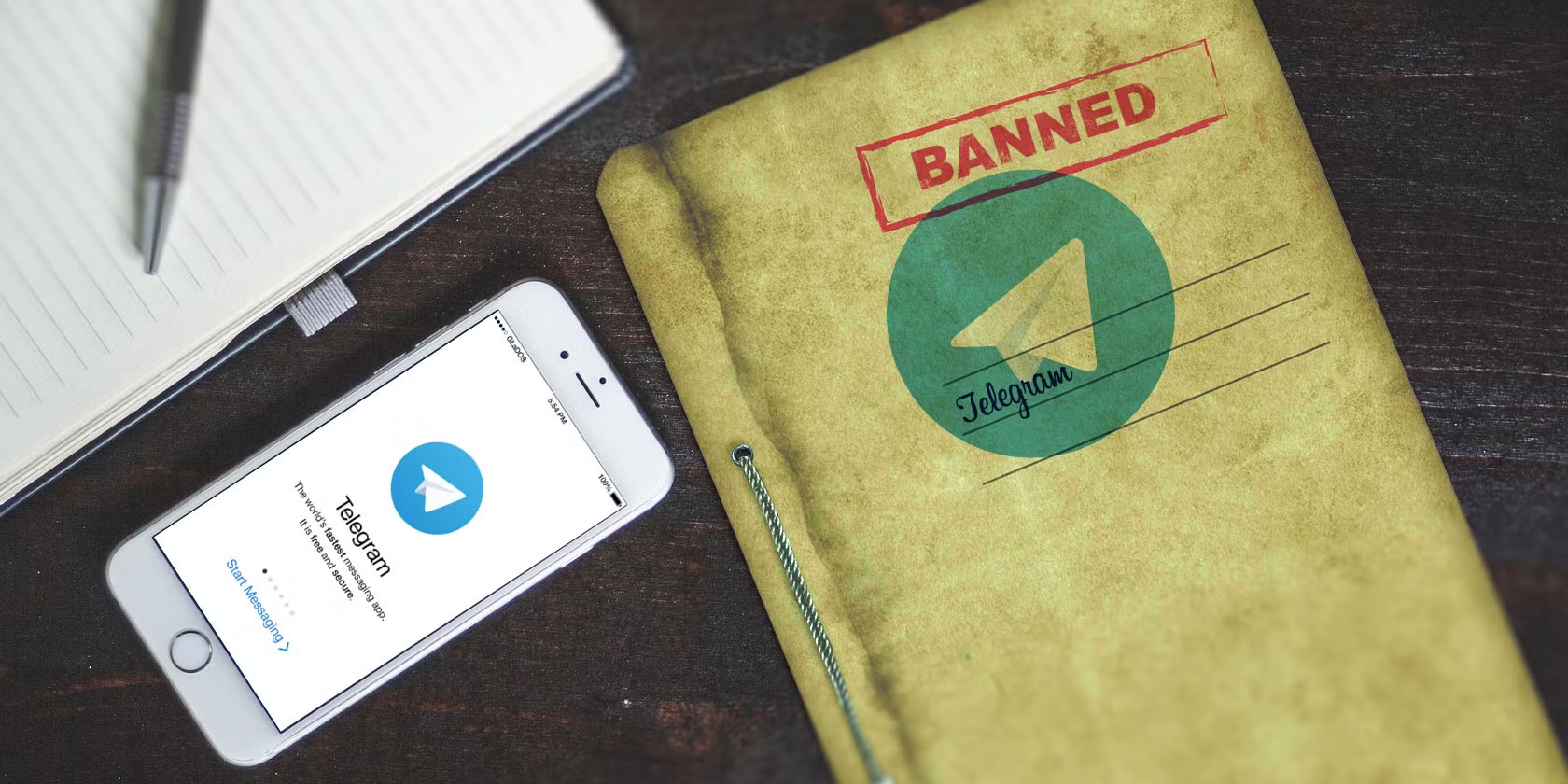
The potential banning of the messaging platform Telegram in Russia has become a significant topic due to its involvement in communication, information dissemination, and potential censorship. As the Russian government seeks to control digital spaces, the implications of such actions could reverberate through personal freedoms and access to information. This discussion is particularly relevant for users and analysts of digital rights and communication technologies.
Recent Events Surrounding the Telegram Ban
In October 2023, the Russian authorities announced a renewed crackdown on unregistered information platforms, with Telegram being a prime target. This move stems from concerns regarding the spread of dissent and misinformation. The Kremlin has accused Telegram of facilitating the organisation of protests and disseminating anti-government messages. As a result, the government has threatened to implement stricter measures, which could include a complete ban of the platform if it does not comply with local regulations.
This decision is set against a backdrop of increasing control over digital platforms in Russia, particularly following Russia’s invasion of Ukraine in 2022. Russian officials have escalated their rhetoric against platforms deemed to violate local laws, claiming they pose a threat to national security.
The Reaction to the Proposed Ban
The reaction from the public and digital rights activists has been overwhelmingly negative. Many view the potential ban as an infringement on free speech and expression. Users in Russia are concerned that such actions would further curtail their ability to communicate, especially in a landscape increasingly filled with propaganda and state-controlled narratives.
Internationally, the proposed ban has drawn the attention of various human rights organisations, which argue that Telegram is a vital tool for independent journalism and free expression. The continued operation of Telegram has provided a means for Russian citizens to bypass censorship and access unfiltered news, making the stakes of a ban particularly high.
Conclusion
As the situation develops, the future of Telegram in Russia remains uncertain. The possible ban poses questions about digital rights within the country and signals a significant step toward further digital authoritarianism. Experts suggest that if the ban is enacted, it may lead to the emergence of alternative platforms, yet these may also face scrutiny and potential bans themselves.
The situation is a critical reminder for digital communications users in Russia, highlighting the ongoing tussle between government control and public access to information. Whether or not Telegram can survive governmental pressures will significantly influence the digital landscape in the country in the coming months.