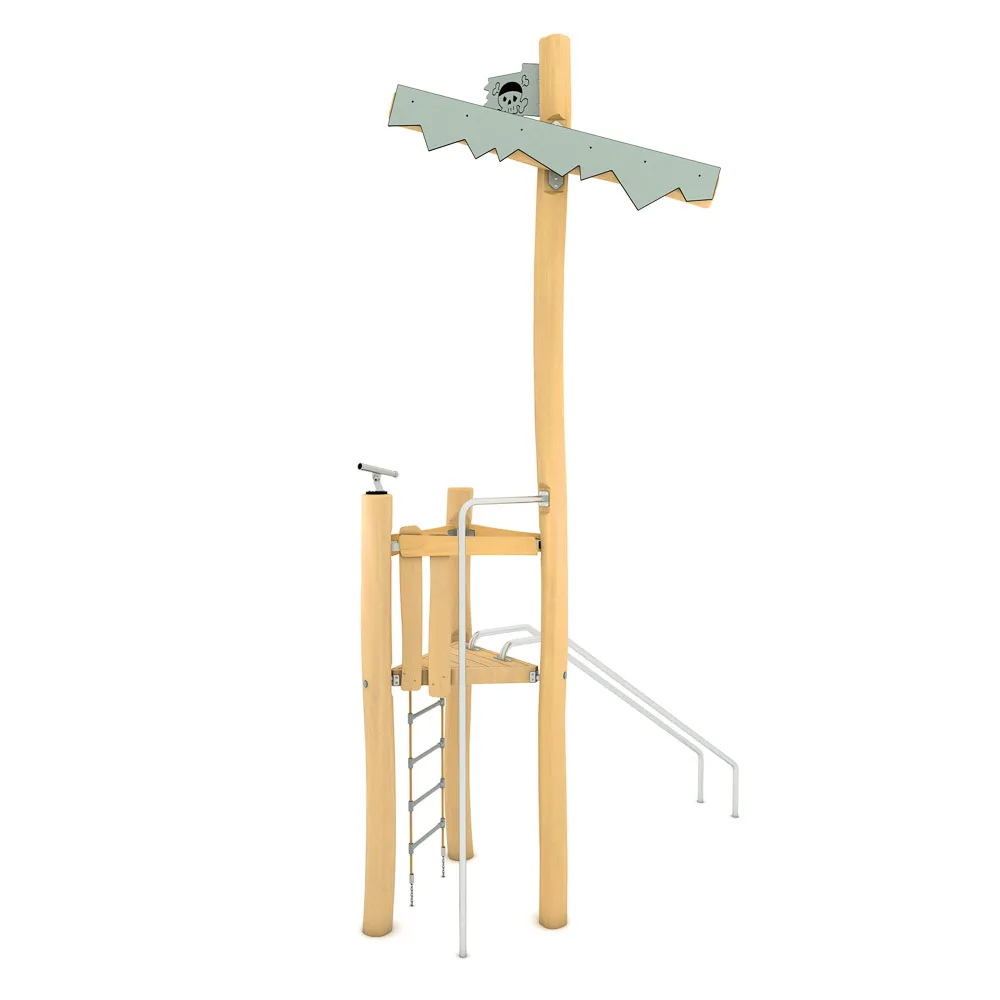
Introduction: The Significance of Play
Play is often dismissed as a simple pastime, yet it holds immense importance in the development of children. Research indicates that engaging in play is integral to a child’s cognitive, emotional, and social development. As such, recognising its significance should be paramount for educators, parents, and caregivers alike. In an ever-complex world, understanding the multifaceted roles that play serves in childhood can help us nurture healthier, more capable individuals.
Benefits of Play
One of the key benefits of play is its role in fostering creativity. According to a study published by the American Academy of Pediatrics, imaginative play allows children to create scenarios, develop problem-solving skills, and expand their thinking horizons. This form of free play promotes both intellectual and emotional growth.
Furthermore, play encourages social interaction. Engaging with peers in a playful context helps children foster communication skills, learn teamwork, and develop empathy. A 2022 report from the National Institute for Play highlights that interactions during play can significantly enhance social skills, which are critical for success in school and later in life.
Challenges to Play Opportunities
Despite its importance, modern-day children often face challenges regarding play. A rise in structured activities and screen time has led to a decrease in unstructured play. According to a survey by the Play Advocacy Movement, over 50% of parents expressed concern that their children do not have enough time for free play. This concerning trend calls for immediate action to ensure children have the necessary time and space to engage in play.
Conclusion: Future Considerations for Play
In conclusion, the role of play in child development cannot be overstated. As we acknowledge the urgent need for more unstructured playtime in children’s lives, it is crucial for parents and educators to advocate for better policies that prioritise play and creativity. Integrating play into daily routines can enhance children’s development and well-being. As we move into a future increasingly influenced by digital technology, nurturing an environment that supports play will help cultivate resilient, resourceful, and well-rounded individuals.