Introduction
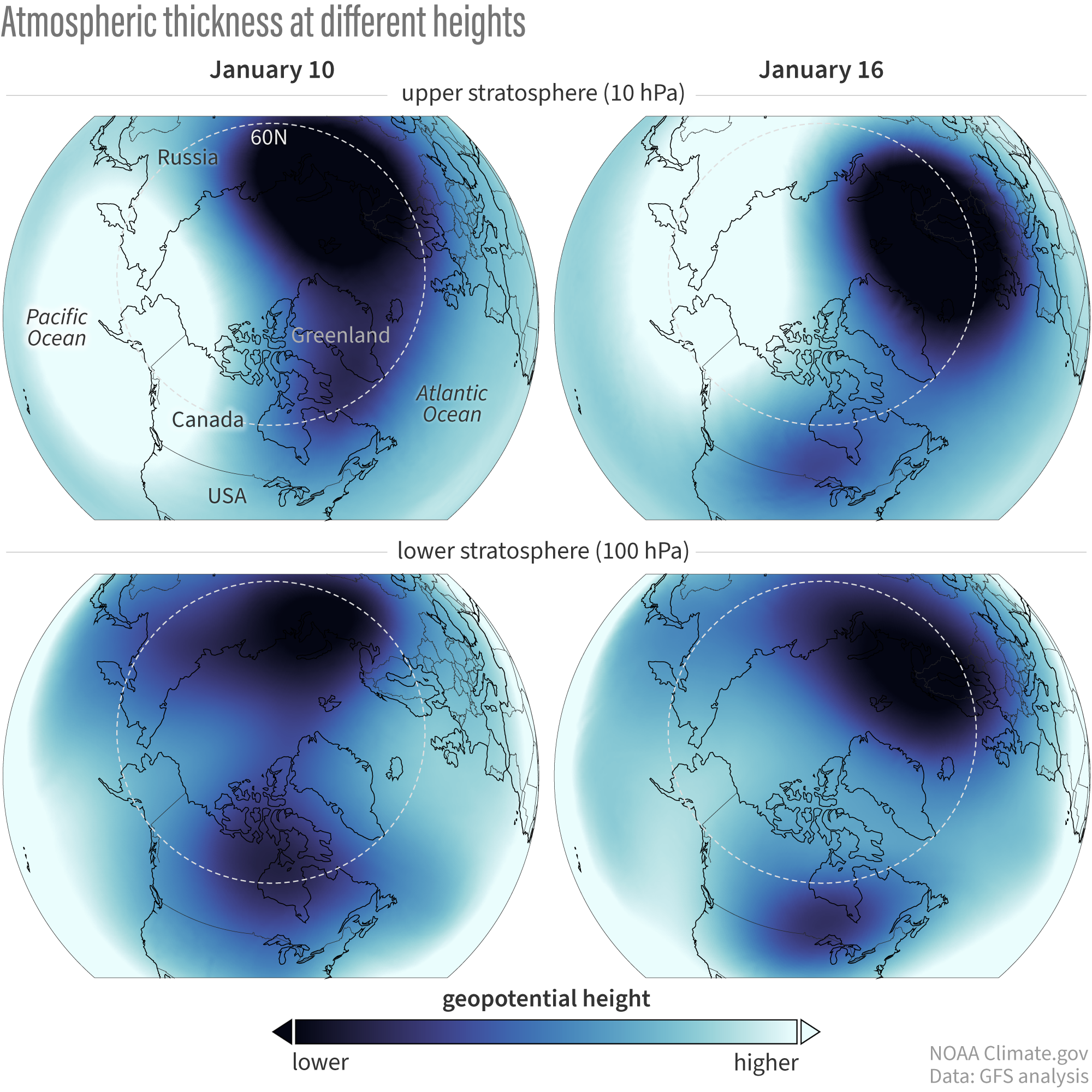
The polar vortex is a large area of low pressure and cold air surrounding the Earth’s poles. Its behaviour has significant implications for winter weather patterns, particularly in the Northern Hemisphere. In recent weeks, meteorologists have been closely monitoring the polar vortex split forecast, as it has the potential to lead to extreme cold spells, heavy snowfall, and disruptive weather events across several regions, including North America and Europe. With climate change influencing weather patterns, understanding these forecasts has become increasingly important.
The Current Polar Vortex Situation
As of early November 2023, meteorologists have indicated that a split in the polar vortex is expected to occur within the next few weeks. This phenomenon happens when the polar vortex becomes weaker or splits into two separate areas of low pressure, prompting a surge of colder air into mid-latitudes. While it is typical for the polar vortex to weaken during the transition from autumn to winter, this year’s forecast suggests a split that may be more pronounced than usual.
Potential Impacts on Weather Patterns
A split in the polar vortex could lead to significant shifts in the weather patterns for regions such as Canada and the northern United States, as well as parts of Europe. A substantial lag in warm air circulation could result in persistent cold air outbreaks, prompting extensive snowfall and dangerously low temperatures. For example, areas that might ordinarily experience milder conditions in December and January could face severe winter storms if the polar vortex spilt is severe and prolonged.
Expert Opinions and Models
Climate models show varying predictions regarding the extent and duration of the polar vortex split. Some long-term forecasts indicate that if the split occurs as expected, the United States could see frigid temperatures reminiscent of past harsh winters, potentially impacting energy supply and infrastructure. Experts advise the public to prepare for the possibility of extreme winter weather and to remain informed through reliable weather updates as conditions evolve.
Conclusion
The implications of the polar vortex split forecast are significant, affecting not just local weather but also broader climate dynamics. As meteorologists continue to analyse data and refine their models, the public should stay informed about potential weather disruptions this winter. Understanding the polar vortex and its behavior is crucial not only for immediate winter preparedness but also for long-term climate considerations.