What is the Polar Vortex?
The polar vortex is a large area of low pressure and cold air surrounding the Earth’s poles. During winter months, the polar vortex can strengthen, leading to unusually cold conditions in mid-latitude regions, including parts of Europe and North America. Understanding its dynamics is crucial, especially as forecasts predict significant shifts this winter.
Current Forecasts and Conditions
As of October 2023, meteorologists have noted that the polar vortex is expected to be influenced by recent trends in atmospheric circulation, particularly following a strong El Niño event. This is significant as El Niño typically correlates with warmer conditions in the eastern parts of the United States and can alter the polar vortex’s stability.
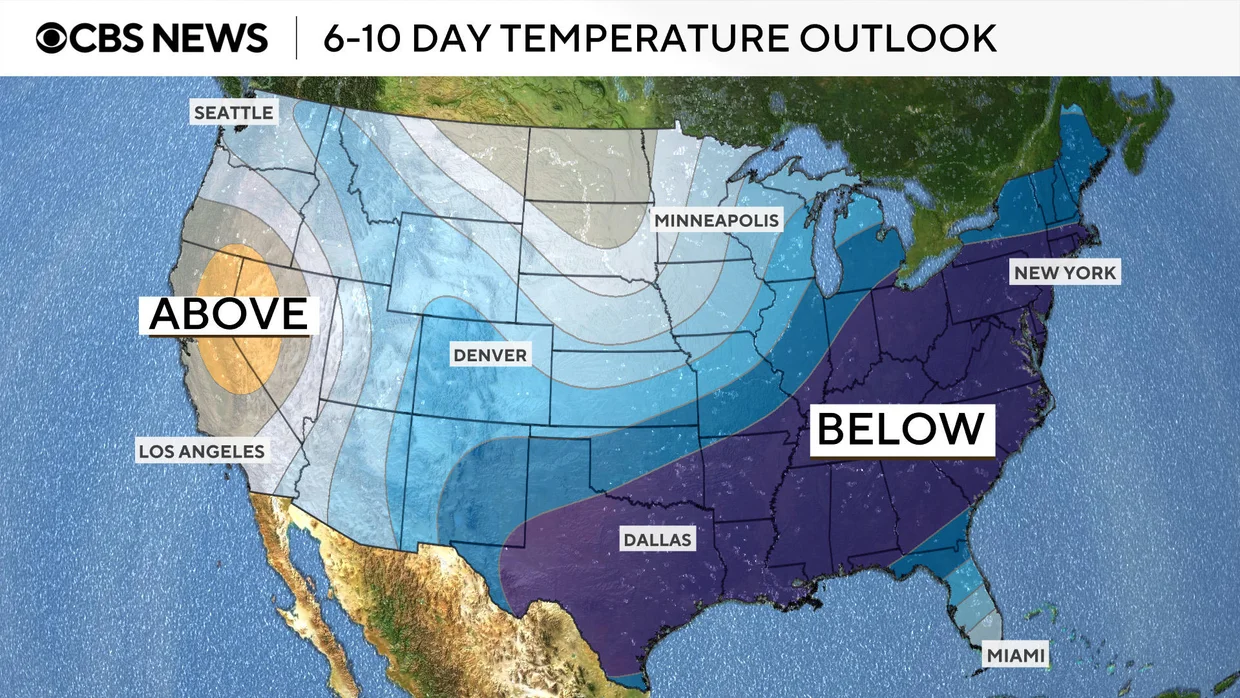
Forecast models from the National Weather Service are suggesting that the polar vortex could split, leading to unpredictable weather patterns across North America and Europe. If this split occurs, it could result in the displacement of cold Arctic air southward, leading to bitterly cold temperatures in areas that typically experience milder winters.
Impact on Weather Patterns
Experts warn that if the polar vortex weakens, it could lead to extreme weather events including heavy snowfall and freezing temperatures across various regions. Cities in the Midwest and Northeastern United States should brace for potential snowstorms, while parts of Europe may also see an increase in frigid temperatures.
Furthermore, this shift could have ramifications on global weather patterns, affecting not just local climates but also agricultural cycles and energy demands as heating requirements soar during the colder months.
Conclusion
The polar vortex forecast for this winter suggests that significant changes may lie ahead. While meteorologists continue to analyse and refine their predictions, residents in potentially affected areas should prepare for a winter that may be colder and more unpredictable than usual. Keeping an eye on updates from reliable weather services is vital, as advancements in our understanding of the polar vortex will continue to evolve.