Introduction
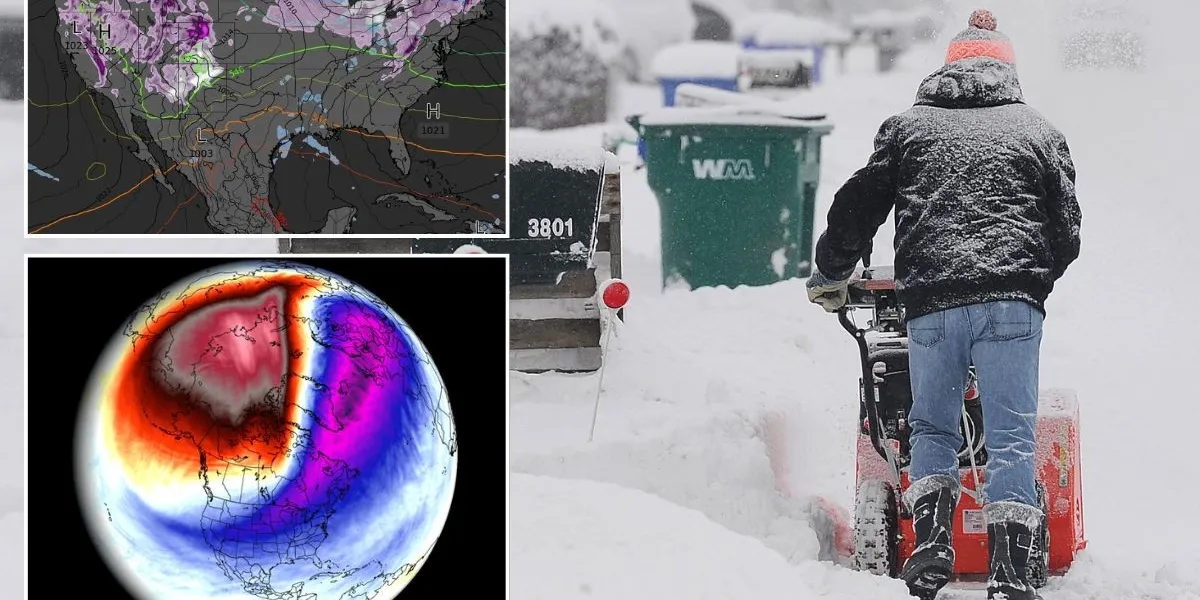
The polar vortex is a large area of low pressure and cold air surrounding the Earth’s poles. It plays a significant role in influencing weather patterns in the Northern Hemisphere. As the winter season approaches, the forecast for a polar vortex collapse has become a topic of interest for meteorologists and the public alike. This phenomenon can lead to extreme weather events, making its study crucial for preparing for potential impacts on climate and daily life.
What is a Polar Vortex Collapse?
A polar vortex collapse occurs when the circulation of the polar vortex weakens or splits, allowing cold Arctic air to spill into lower latitudes. This can result in severe winter storms, significant drops in temperature, and unusual weather patterns across the United States, Europe, and even parts of Asia. The National Oceanic and Atmospheric Administration (NOAA) has been monitoring the polar vortex closely, especially given the increasing occurrences of these collapses due to climate change.
Current Forecasts and Predictions
As of October 2023, meteorologists are observing signs that a polar vortex collapse might occur in the coming months. Recent models from NOAA indicate that shifts in atmospheric pressure and ocean temperatures could contribute to this event. Historical data suggests that such collapses can lead to colder and more volatile winters, particularly in North America. Moreover, the impact could extend to European nations, enhancing the risk of severe winter weather conditions.
Potential Impacts
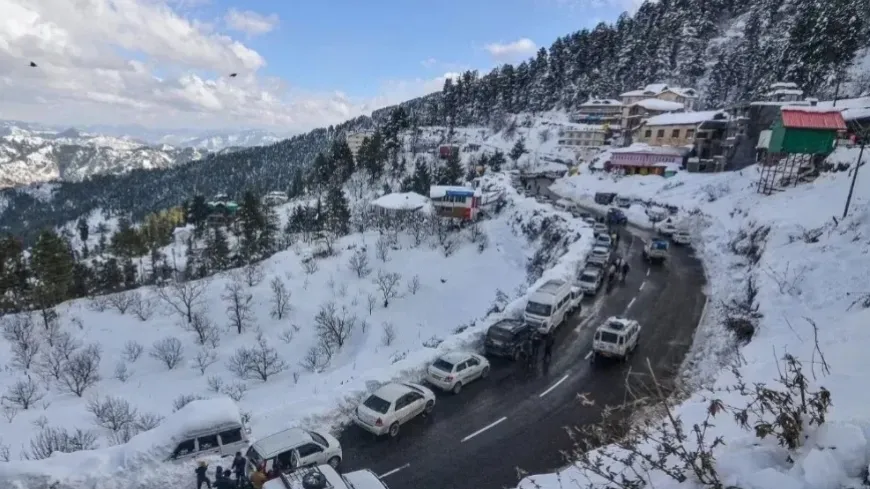
If the forecasted polar vortex collapse materialises, we could witness a range of weather-related issues. Increased snowfall, freezing temperatures, and even extended periods of harsh winter conditions are expected in affected regions. This can affect not only everyday life, such as travel disruptions and increased heating costs but also influence agriculture and commerce as farmers deal with unexpected frosts and storms. The potential for power outages also raises concerns for communities relying heavily on electricity during the winter.
Conclusion
As scientists continue to study the implications of the polar vortex collapse forecast, the significance of understanding this phenomenon grows. With a direct link to shifting climatic patterns, preparedness becomes crucial for mitigating risks associated with extreme winter weather. Residents in impacted areas should monitor updates from meteorological agencies to stay informed and plan accordingly. The growing unpredictability of weather patterns due to climate change means that the polar vortex will likely remain a central focus for scientists and policymakers in the coming years.