Introduction to the Munich Air Disaster
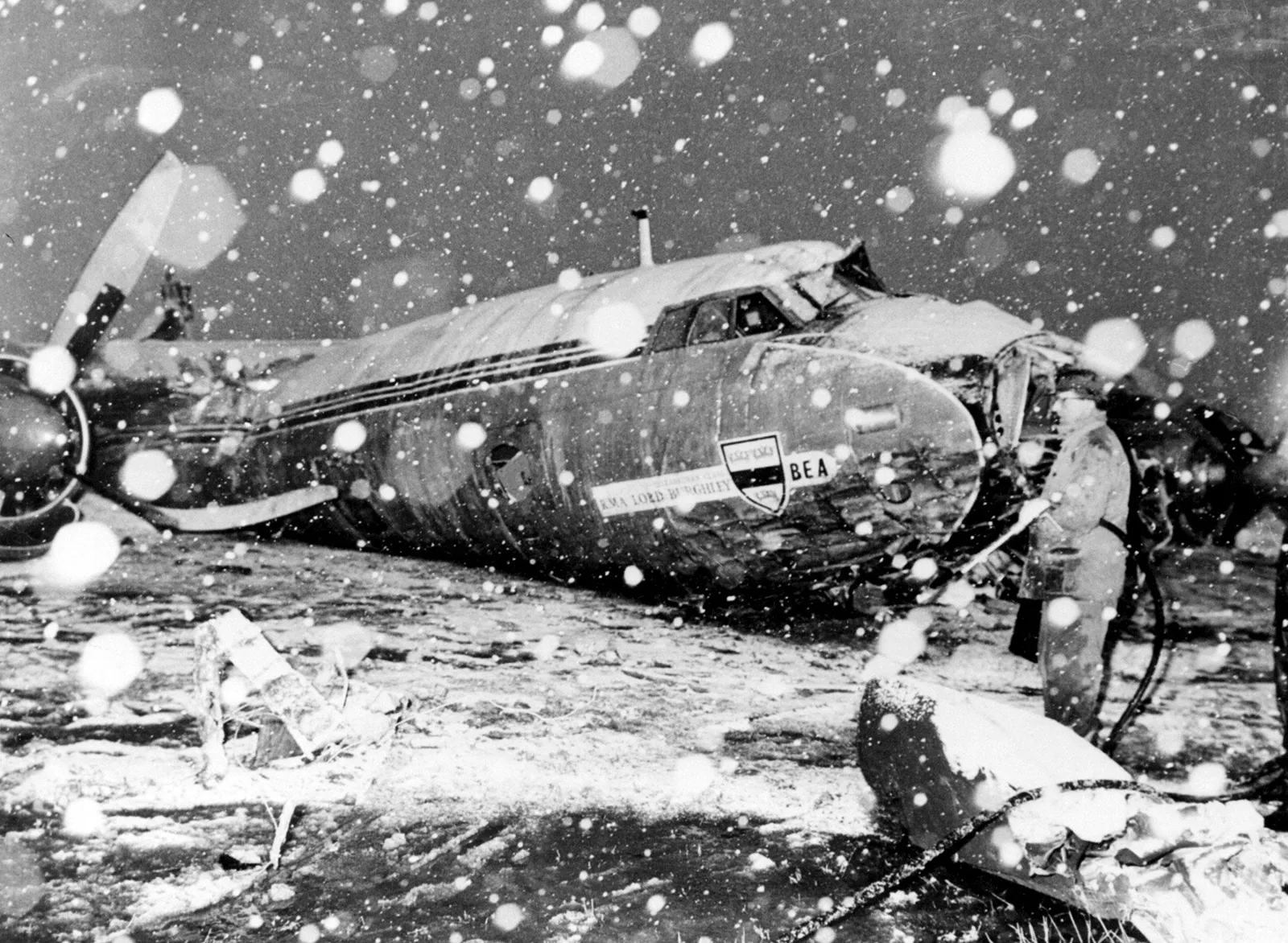
The Munich Air Disaster, which occurred on February 6, 1958, remains one of the most tragic events in the history of aviation. This catastrophic incident involved the crash of British European Airways Flight 609, which was carrying members of the Manchester United football team, along with supporters and journalists. The significance of this disaster stretches beyond the immediate loss of life, as it fundamentally changed aviation safety regulations and highlighted the vulnerabilities of early post-war air travel.
Details of the Incident
The flight originated from Belgrade, Serbia, and was making a stopover in Munich for refuelling. Due to poor weather conditions, specifically freezing rain, the plane attempted to take off twice but was unsuccessful. On the third attempt, the aircraft struggled to gain sufficient speed and ultimately crashed into a nearby fence after overrunning the runway. A total of 23 people lost their lives, including eight Manchester United players, known as the Busby Babes, as well as three club officials, eight journalists, and two crew members.
The impact of this incident was profound. Manchester United football club’s future was jeopardised as they lost a generation of talented players. The manager, Matt Busby, who survived the crash, played a vital role in rebuilding the team, leading to remarkable success in the years that followed. Importantly, the aviation industry also reevaluated operational safety measures, leading to significant advancements in pilot training, aircraft technology, and emergency protocols.
Legacy and Commemoration
The Munich Air Disaster has since been commemorated in various ways, with memorials established in Manchester and at Munich Airport. Each year, tributes are paid, and events organised to honour the victims and their families. The tragedy resonates not only within the sporting realm but also in the aviation community as a critical reminder of the importance of safety and vigilance in air travel.
Conclusion
The Munich Air Disaster serves as a stark reminder of the fragility of life and the importance of safety in aviation. Its legacy continues to influence modern aviation standards and practices. As air travel becomes increasingly complex with technological advancements, the memories of those lost in Munich underscore the necessity of learning from past tragedies to ensure the highest levels of safety for all passengers in the skies.