Introduction
Luxembourg, a small yet significant nation in the heart of Europe, is known for its rich history, diverse culture, and prominent role in international finance. This landlocked country, bordered by Belgium, Germany, and France, has become a key player in the European Union and a hub for major businesses and institutions. Its strategic location and stable economy make it a vital center for trade and investment.
Historical Significance
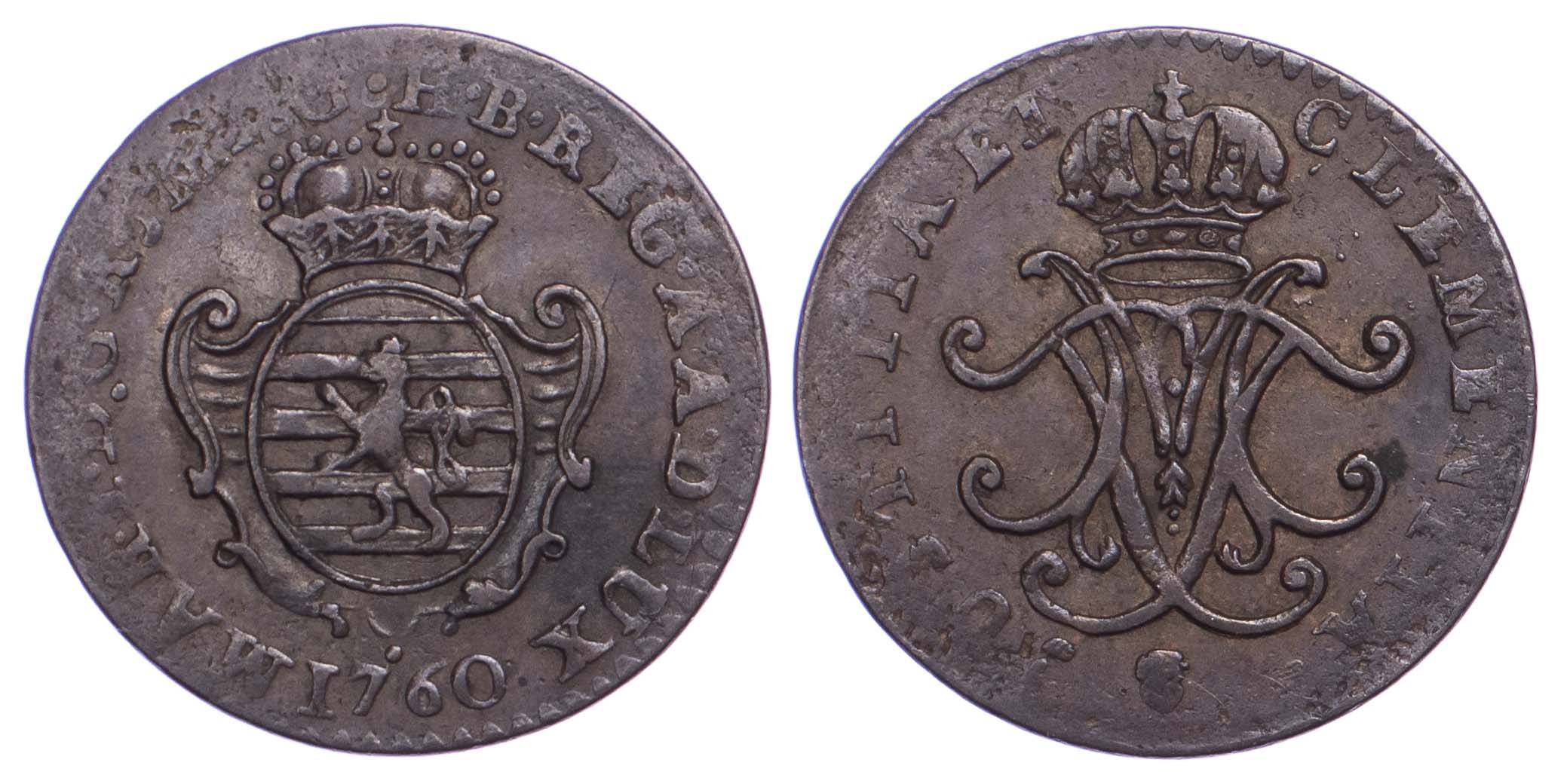
Founded in the 10th century, Luxembourg has a storied history shaped by its geographical position and the influence of various European powers. It gained independence from the Netherlands in 1867 and has since developed into a constitutional monarchy. Today, the Grand Duchy is the last remaining Grand Duchy in the world, highlighting its unique historical status.
Economic Landscape
Luxembourg’s economy is often characterised by high income levels and low unemployment rates. The nation has a GDP per capita among the highest in the world, bolstered by a strong financial sector and a robust industrial base. Major companies, including international banks and investment funds, have established their headquarters in Luxembourg due to favorable taxation laws and a stable political environment. As of 2023, the Luxembourg Stock Exchange is the world’s leading exchange for international securities, further cementing its status as a global financial hub.
Cultural Diversity
Despite its small size, Luxembourg boasts a rich cultural tapestry influenced by its multilingual inhabitants, primarily speaking Luxembourgish, French, and German. This diversity is reflected in its festivals, gastronomy, and arts scene. The capital, also named Luxembourg, is home to numerous museums, theatres, and historical sites, attracting visitors from around the world.
Conclusion
Luxembourg’s blend of historical significance and present-day economic prowess makes it a unique nation within Europe. As the country continues to embrace innovation and globalisation, its role as a financial and cultural centre is expected to grow. For readers interested in understanding the dynamics of European economies or the impact of small nations on the global stage, Luxembourg serves as a compelling case study that underscores the importance of adaptability and sustainability in today’s world.