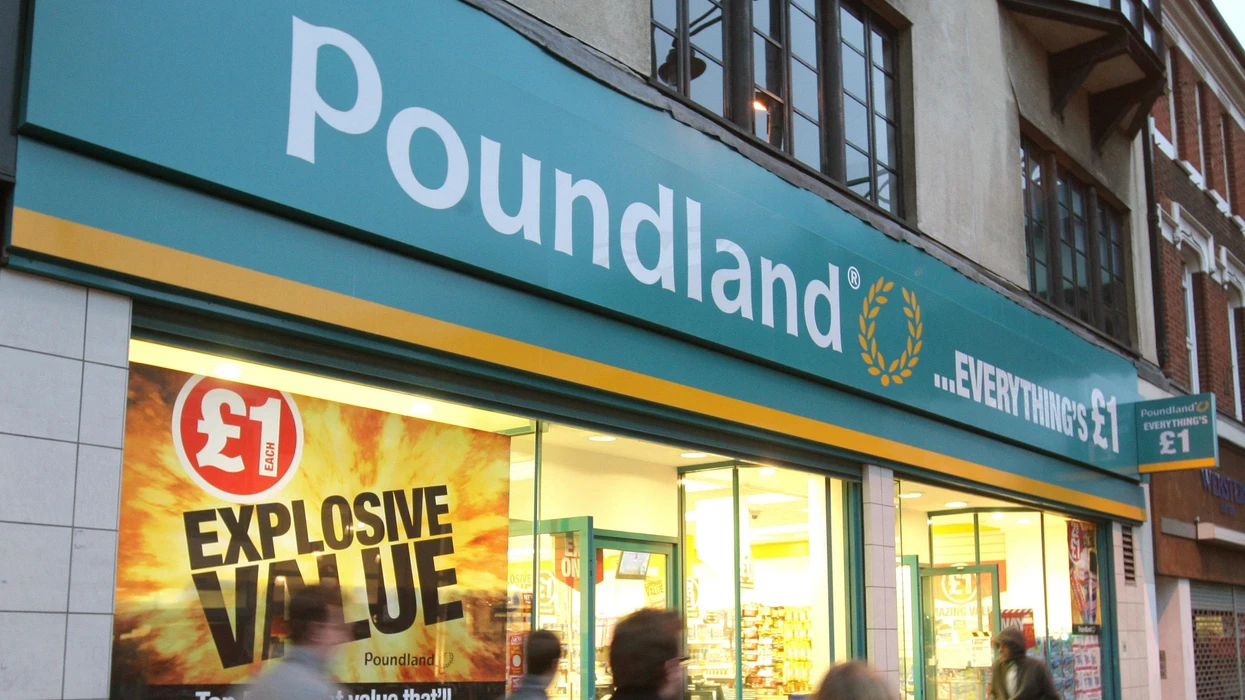
The Importance of Poundland in the Retail Landscape
Poundland, known for its affordable products, has long been a staple in British retail. As an essential outlet for budget-conscious consumers, its presence has been integral in communities across the UK. However, recent announcements of store closures have raised concerns about the future of discount retail and the economic landscape as a whole.
Recent Developments in Store Closures
In October 2023, Poundland confirmed that it would be closing 30 stores across the UK in response to ongoing fluctuations in consumer spending and rising operational costs. This announcement follows a trend observed in the retail sector, where many established chains are struggling to adapt to changing shopping habits exacerbated by the pandemic.
According to reports, the closures are part of a broader restructuring strategy aimed at streamlining operations and enhancing profitability. In a statement, the company noted, “We are committed to ensuring that our remaining stores continue to provide value to our customers while facing the challenges posed by the current economic environment.” The locations affected by the closures range from city-centre outlets to larger-format stores.
Factors Contributing to the Closures
The retail environment has seen significant shifts due to various factors, including inflation, competition from online retailers, and changing consumer preferences. A recent survey by the British Retail Consortium indicated that many shoppers have prioritised online shopping, particularly for budget items, which has impacted footfall in physical stores.
Furthermore, the economic pressures from rising costs of goods and transportation have placed additional strain on discount retailers like Poundland. Analysts suggest that while such closures are unfortunate, they may be a necessary step towards long-term sustainability in an evolving market.
Looking Ahead: What This Means for Consumers and Retail
The closure of Poundland stores poses challenges for consumers who rely on discount retailers for affordability, especially during a time of heightened living costs. Simultaneously, it raises questions about the future of high-street retail as more consumers may shift towards e-commerce platforms.
As the retail sector navigates these turbulent times, it is crucial for brands like Poundland to innovate and adapt. Moving forward, there is potential for the company to enhance its online offerings and discover new strategies to meet customer needs. Experts predict that while this wave of closures may be painful in the short term, it could catalyse necessary changes in how discount retailers operate.
Conclusion
Poundland’s store closures reflect significant challenges within the retail sector, shaped by both economic pressures and evolving consumer behaviour. Moving into 2024, the resilience of brands in the face of such changes will be pivotal in determining their future. Investors and consumers alike will be watching closely as the retail landscape continues to adapt.