Introduction
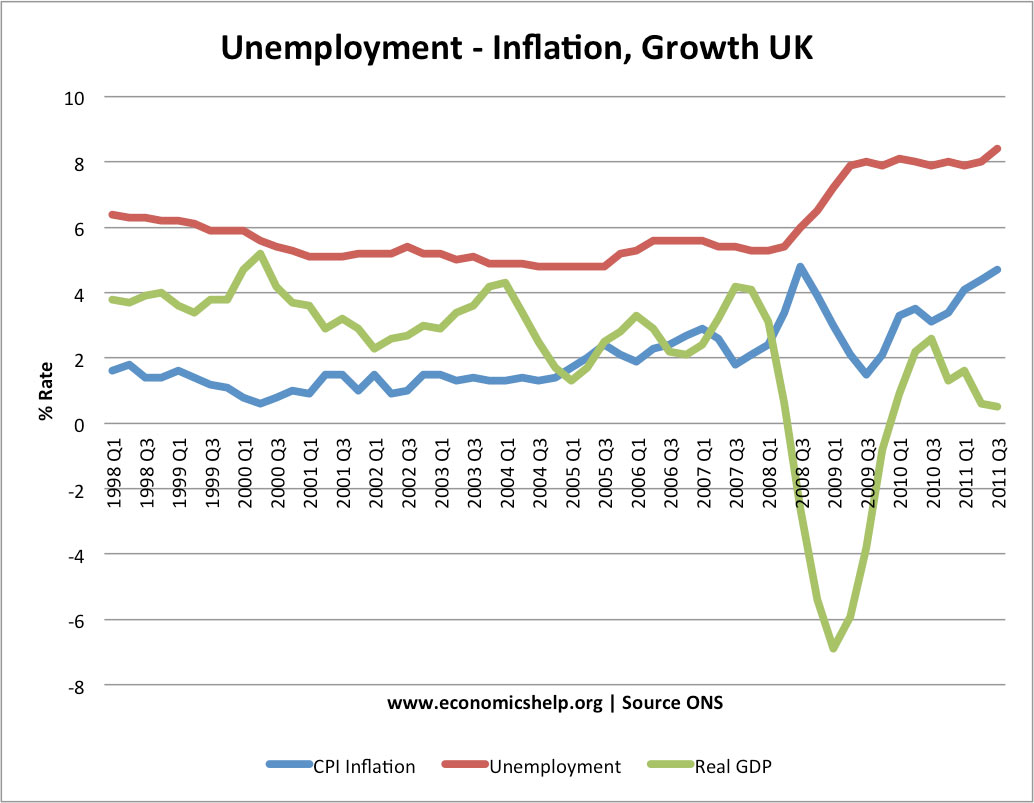
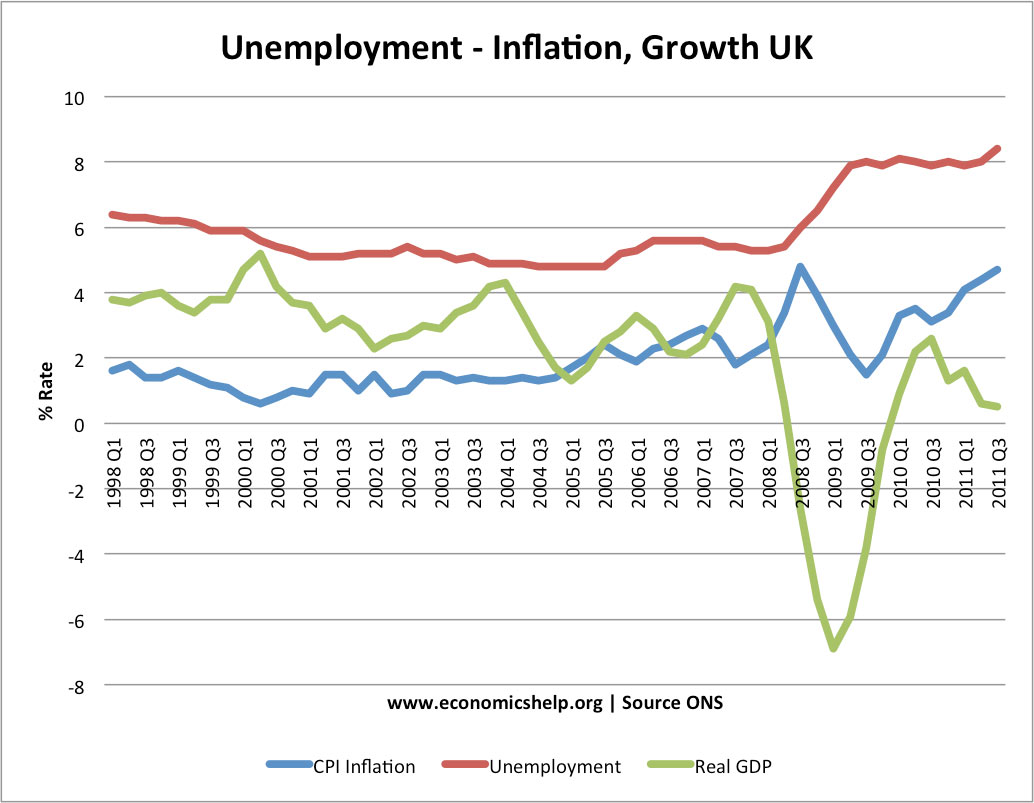
The UK unemployment rate is a critical economic indicator that reflects the health of the country’s job market. As of the latest reports, understanding the fluctuation in unemployment is essential for policymakers, businesses, and job seekers alike. It provides insights into economic trends and prevailing conditions affecting employment opportunities across various sectors.
Current Statistics
As of September 2023, the UK unemployment rate stands at 4.1%, showing a slight increase from the previous quarter. The Office for National Statistics (ONS) reports that approximately 1.4 million people are currently unemployed, reflecting challenges in the aftermath of the pandemic and subsequent economic adjustments. This rise in unemployment can be attributed to several factors, including shifts in consumer demands, rising inflation rates, and ongoing geopolitical concerns impacting trade and labour markets.
Sector-Specific Insights
Different sectors are experiencing varied conditions. The hospitality and retail sectors, which were heavily impacted by COVID-19, are now seeing a slow recovery, although employment levels in these fields have not yet returned to pre-pandemic figures. Conversely, sectors such as technology and healthcare continue to grow, with significant hiring, indicating a shift in labour demand towards skilled jobs. Many businesses are actively seeking candidates with digital skills, further compounding the issue of skills mismatches in the unemployment figures.
Impact on the Economy
The current unemployment rate has significant implications for the UK economy. A higher unemployment rate often correlates with lower consumer spending, leading to decreased business revenues and further job losses. Economists argue that sustained unemployment could hinder the broader economic recovery, particularly as the UK grapples with cost-of-living stresses exacerbated by inflation. Government measures, including job support schemes and training programmes, are essential to mitigate these impacts and promote job creation.
Conclusion
In conclusion, the UK unemployment rate remains a crucial barometer of economic health and job market vitality. As the country navigates post-pandemic recovery and faces ongoing economic pressures, it will be vital for stakeholders to monitor these trends closely. Forecasts suggest the unemployment rate may stabilise or slightly decrease in the coming months as businesses continue to adapt and seek to attract talent. However, the focus must also remain on addressing skills gaps and preparing the workforce for future demands in a rapidly changing job landscape.