Introduction
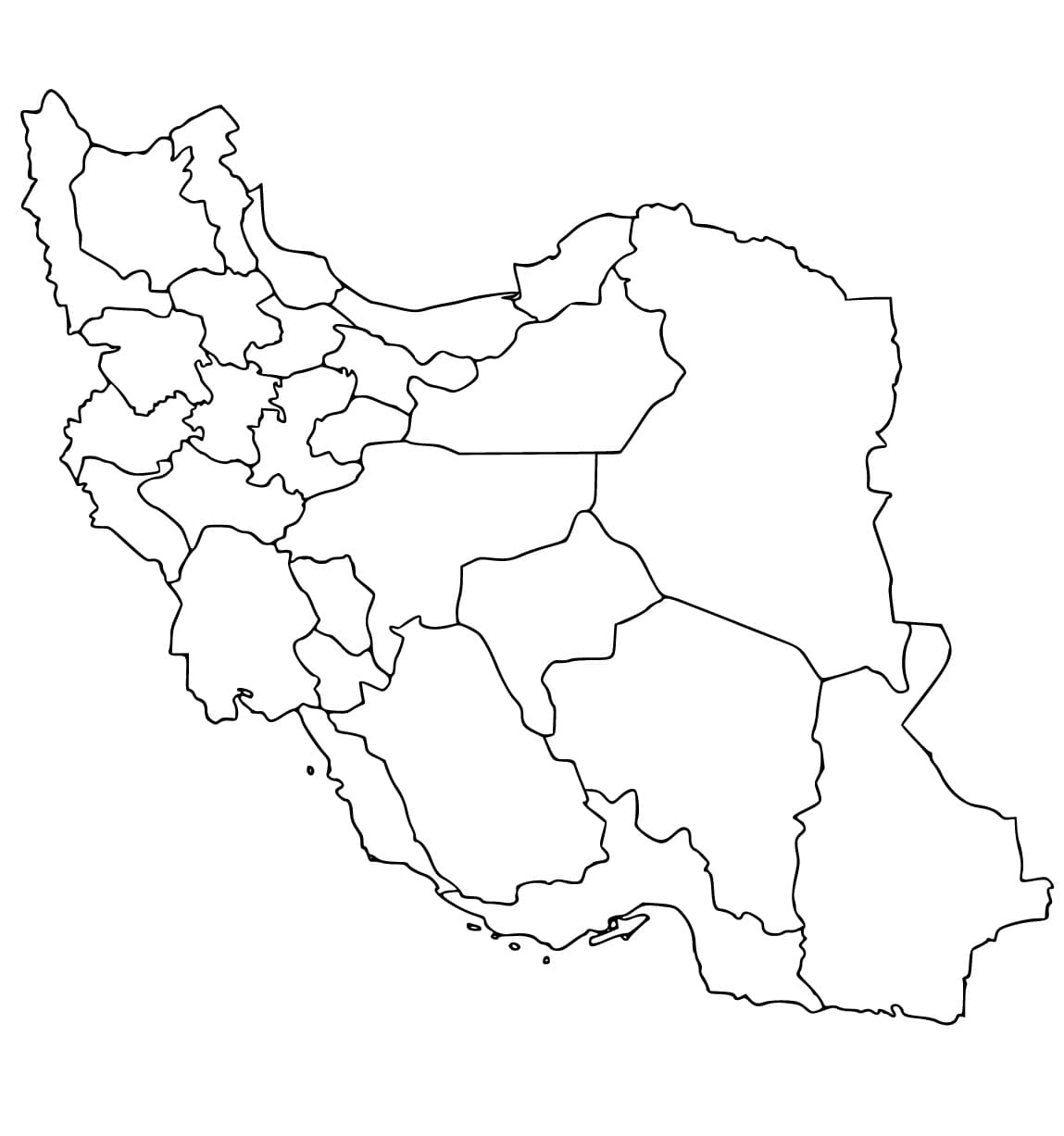
The Islamic Republic of Iran, a country with a rich history and significant influence in the Middle East, has recently been at the centre of global attention due to political unrest, international sanctions, and its nuclear ambitions. The importance of understanding the current events in Iran lies not only in the implications for its citizens but also in the potential ramifications for global stability and international relations.
Current Events in Iran
As of late 2023, Iran is facing a wave of protests known as the ‘Women, Life, Freedom’ movement, sparked by the tragic death of Mahsa Amini in the custody of the morality police. This event reignited longstanding frustrations regarding personal freedoms and government repression among Iranians, particularly women. As protests continue, the Iranian government has responded with increasing crackdowns, leading to heightened tensions both domestically and internationally.
In addition to domestic unrest, Iran’s nuclear programme remains a major concern. In recent months, Iran has enriched uranium to levels closer to weapons-grade, escalating fears of a nuclear arms race in the region. The 2015 nuclear deal, formally known as the Joint Comprehensive Plan of Action (JCPOA), has faced numerous challenges, with the United States and Iran trading blame for its breakdown. Diplomatic efforts to revive the agreement have thus far proven fruitless, leading to speculation on how the international community, particularly Western nations, will respond.
International Reactions and Implications
Countries including the United States and members of the European Union have expressed concern over Iran’s human rights abuses and its nuclear activities. Sanctions remain a key tool for the West, aiming to pressure Iran’s regime. However, there are fears that excessive sanctions could exacerbate the suffering of ordinary Iranians without achieving the desired political change.
Moreover, Iran’s role in regional conflicts, including its support for militant groups in Syria and Lebanon, complicates matters further. The nation’s close ties with Russia and the backing of various proxy groups in the region position Iran as a significant player in geopolitical tensions affecting global energy supplies and security.
Conclusion
The situation in Iran continues to be a pivotal issue for both local and global audiences. As protests unfold and diplomatic talks regarding the nuclear issue remain stagnant, the future of Iran holds uncertainties. Analysts predict that continued unrest coupled with international pressure may lead to significant changes within the Iranian government or further entrench the regime’s power. Understanding these dynamics is crucial for those interested in Middle Eastern politics, international relations, and human rights advocacy. The situation requires close observation as it evolves, with potential consequences reaching far beyond Iran’s borders.