Introduction
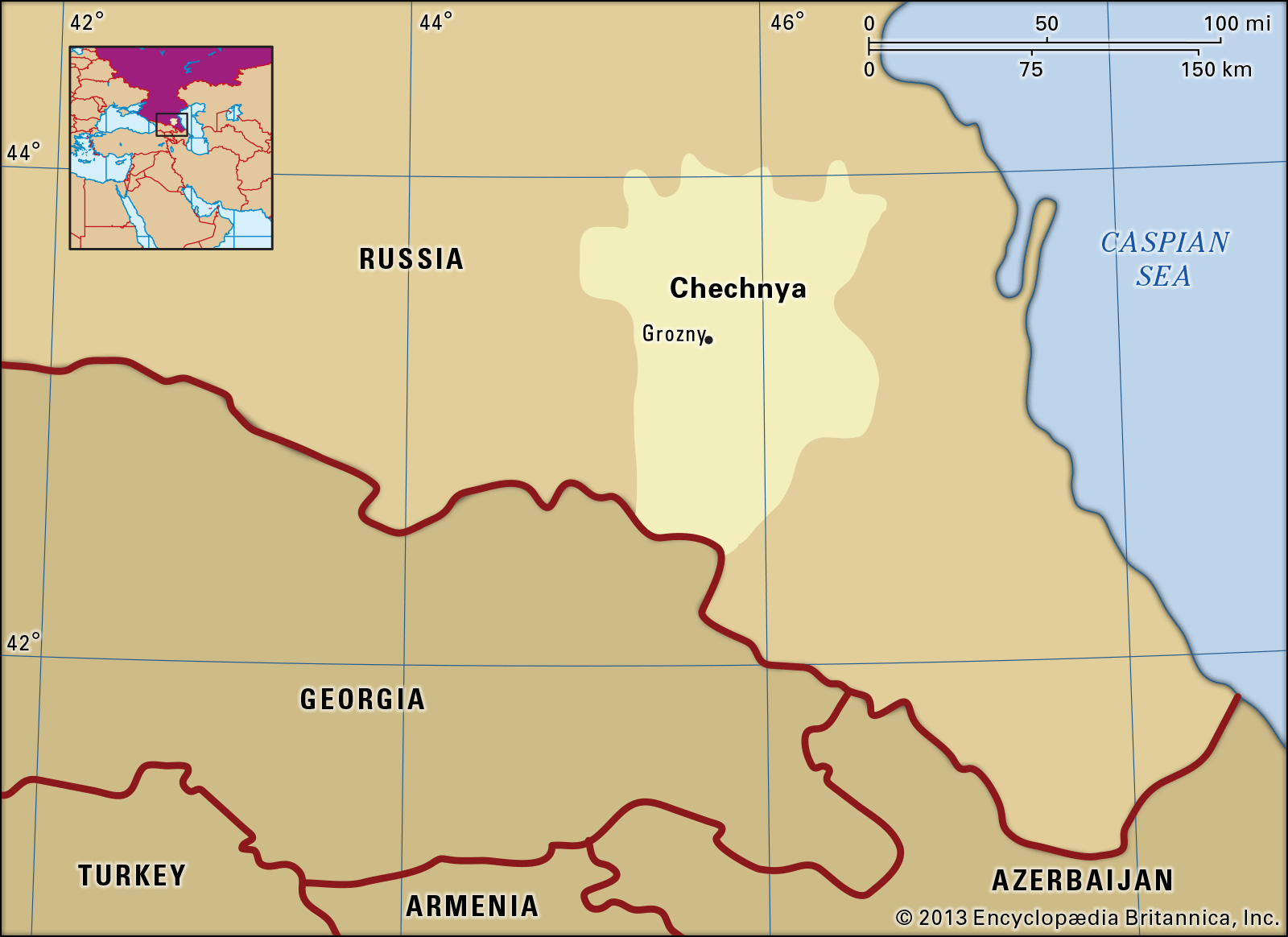
Chechnya, a republic within the Russian Federation, has been a focal point of global attention due to its complex history and ongoing conflicts. The geopolitical significance of Chechnya is heightened by its strategic location, resource wealth, and the tumultuous relationship with the Russian central government. Understanding the current issues in Chechnya is essential not only for the local population but also for international diplomacy and security considerations.
Historical Context
Chechnya has a long history of resistance against Russian domination, with two devastating wars occurring in the 1990s and early 2000s. After a brutal conflict that left tens of thousands dead and the region in ruins, a degree of stability was established under the leadership of Ramzan Kadyrov, who has maintained control through a combination of violence, loyalty to Moscow, and social programs aimed at rebuilding Chechnya.
Current Political Climate
In recent months, the situation in Chechnya has been marked by increasing reports of human rights abuses, including arbitrary detentions and enforced disappearances, particularly targeting individuals accused of extremism or LGBTQ+ individuals. The Kremlin’s support for Kadyrov allows him to operate with relative impunity, raising concerns among human rights organisations globally.
Social and Economic Issues
The economy of Chechnya is heavily dependent on federal subsidies from the Russian government. While there have been efforts to rebuild infrastructure and develop local industries, economic opportunities remain limited, and unemployment persists, particularly among youth. Additionally, the social fabric of the region is influenced by a blend of traditional values and political oppression, leading to complex family and community dynamics.
International and Regional Implications
Chechnya’s issues resonate beyond its borders, as regional instability can impact broader security in the Caucasus and beyond. The ongoing struggle against extremist groups, alongside Chechnya’s role in the geopolitical landscape, has implications for international counterterrorism strategies. Moreover, the rising tide of nationalism and separatism in other regions of Russia poses potential threats that could ignite further conflicts.
Conclusion
As Chechnya continues to navigate its complicated political terrain, the significance of the region cannot be understated. The global community must pay close attention to the evolving situation, as it embodies the larger tensions within Russia, the fight for rights and freedoms, and the ongoing battle against extremism. The future trajectory of Chechnya remains uncertain, but the potential for both conflict and reconciliation exists, highlighting the need for an informed and engaged international response.