Introduction
Cholera is a severe diarrheal disease caused by the ingestion of contaminated water or food. Despite being largely preventable, cholera remains a significant public health challenge, particularly in environments with inadequate sanitation and hygiene practices. Recent cholera outbreaks, particularly in regions affected by conflict, socioeconomic instability, and natural disasters, have raised alarm bells around the globe, highlighting the ongoing need for effective response strategies.
Recent Outbreaks
As of late 2023, global health authorities are closely monitoring cholera cases that have surged in several parts of the world, notably in Yemen, Afghanistan, and parts of Africa. The World Health Organization (WHO) reported that the ongoing conflict in Yemen and the resulting humanitarian crisis has exacerbated the situation, leading to wide-scale outbreaks. In August alone, Yemen recorded over 4,000 suspected cases, marking a worrying trend amid ongoing civil unrest.
Furthermore, the situation in Afghanistan has also become critical. According to health officials, the return of the Taliban regime and the subsequent deterioration in health infrastructure have left millions vulnerable to preventable diseases, including cholera. In 2023, health agencies have stressed an urgent need for vaccines and clean drinking water to curb the spread of the disease.
Factors Contributing to the Outbreaks
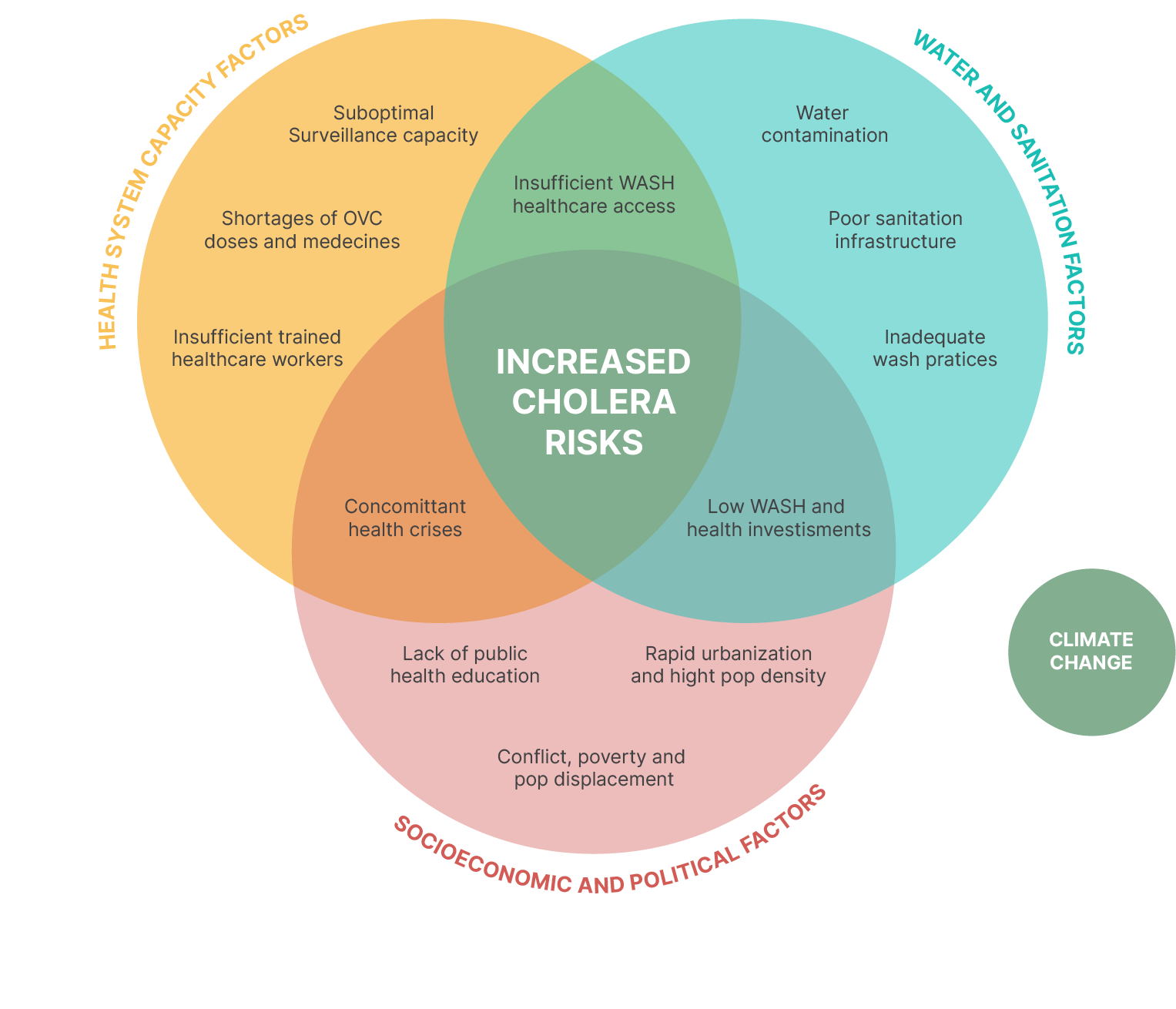
Several factors contribute to the rising incidence of cholera. Poor water quality, inadequate infrastructure, and the impacts of climate change all play significant roles. Increased flooding and drought, exacerbated by climate change, compromise existing water sanitation efforts, making communities more susceptible to outbreaks. In addition, displacement from natural disasters or conflict places individuals in crowded refugee camps, where the risk of cholera transmission is heightened.
Global Health Response
In response to these outbreaks, the WHO has increased its funding for vaccination campaigns in high-risk areas while also pushing for improved sanitation infrastructure. Health organisations are urging governments to prioritise water, sanitation, and hygiene (WASH) initiatives as part of a long-term strategy to combat cholera outbreaks. Collaborative efforts, such as the Global Task Force on Cholera Control, aim to reduce the yearly death toll and prevent the onset of new outbreaks.
Conclusion
The resurgence of cholera in various parts of the world serves as a stark reminder of the vulnerabilities in our public health systems. As global citizens, staying informed and supporting global health initiatives can help mitigate the severe impacts of such preventable diseases. Efforts to enhance water sanitation, improve infrastructure, and ensure access to medical resources are crucial to effectively combat cholera and protect at-risk populations. The need for continuous vigilance and action remains imperative to prevent future crises.