Introduction
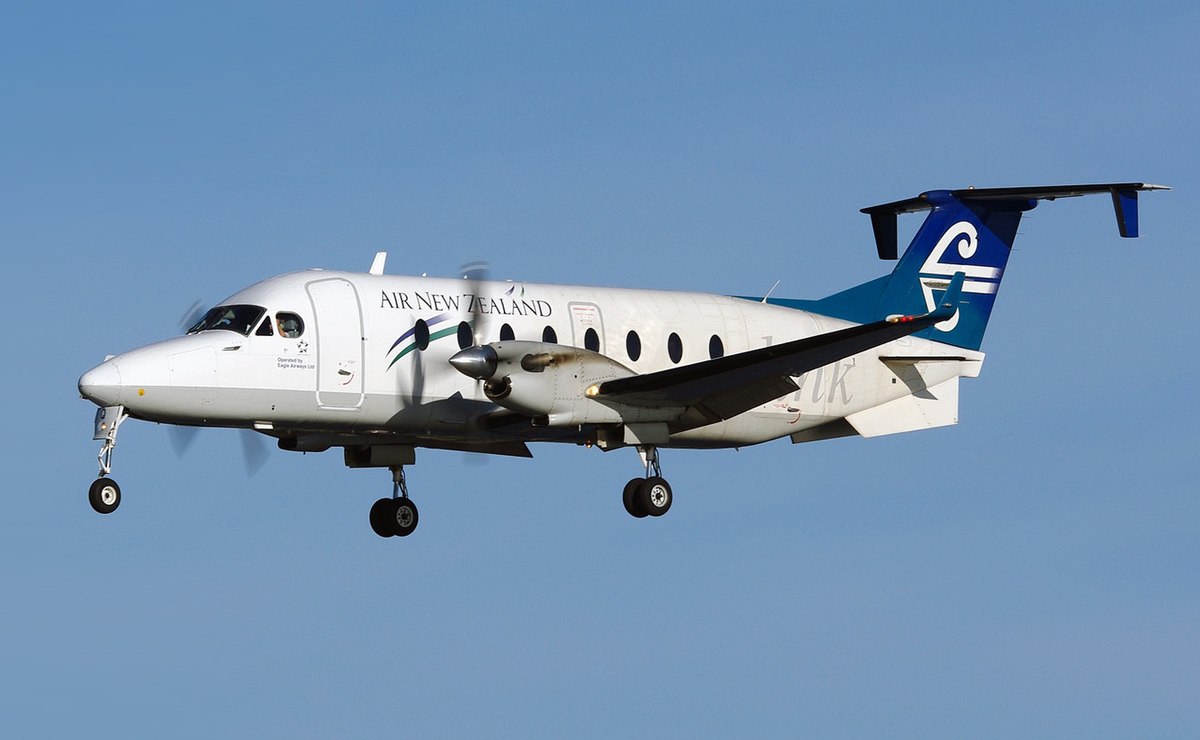
The Beechcraft 1900 is a twin-engine commuter and cargo aircraft developed by Beechcraft, a subsidiary of Textron Aviation. Since its introduction in the late 1980s, the Beechcraft 1900 has played a pivotal role in regional air travel, offering significant benefits in terms of range, capacity, and efficiency. Its relevance in today’s aviation landscape continues as it caters to airlines and cargo operators that require reliable and cost-effective aircraft.
Specifications and Capabilities
The Beechcraft 1900 features a pressurized cabin and can comfortably seat up to 19 passengers or serve as a freighter capable of carrying nearly 2,500 pounds of cargo. The aircraft is powered by two Pratt & Whitney Canada PT6A-67D turboprop engines, allowing it to cruise at speeds of 300 knots and covering a range of approximately 1,500 miles. These capabilities have made the 1900 a popular choice for short-haul regional flights, where it effectively links smaller airports with larger hub cities.
Recent Developments and Usage
As of 2023, the Beechcraft 1900 remains in use by various regional airlines and charter operators. While newer aircraft models have entered the market, the Beechcraft 1900 offers unique advantages, such as lower operating costs and the ability to operate from shorter runways, making it particularly valuable in areas with less-developed airport infrastructure. Furthermore, the aircraft’s adaptability allows for various modifications, including medical evacuation, surveillance, and cargo transport, further expanding its operational scope.
Aircraft Retirement and Future Prospects
Despite its aging airframe, many Beechcraft 1900 aircraft are undergoing retrofitting to extend operational life with updated avionics and interiors. Experts predict that while production may have ceased, the aircraft will continue to serve regional operators due to its reliability and versatility in niche markets. Support from Beechcraft through spare parts and maintenance services has also renewed interest in keeping these aircraft operational.
Conclusion
The Beechcraft 1900 has established itself as a critical component of regional aviation infrastructure over the decades, and its continued relevance is a testament to its engineering and design. As air travel evolves, operators may still rely on this versatile aircraft for its economical performance and capacity to adapt to differing aviation needs. For future forecasts, the Beechcraft 1900 is expected to remain a viable option particularly in regions requiring reliable air service without the capital investment required for newer aircraft technologies.