The Historical Context of Gold Fever in South Africa
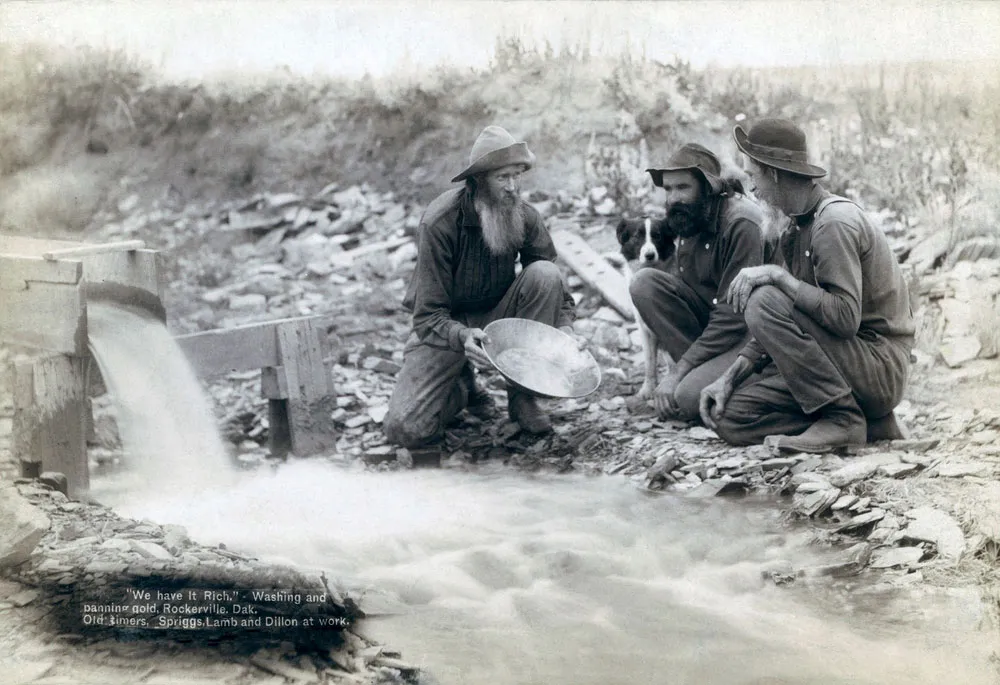
Gold fever in South Africa is a phenomenon that dates back to the late 19th century when vast gold deposits were discovered in regions such as the Witwatersrand. This led to a massive influx of prospectors and immigrants, turning South Africa into one of the leading gold producers globally. The gold rush significantly shaped the country’s economy, attracting foreign investment and influencing social dynamics.
The Current Gold Mining Landscape
As of 2023, South Africa remains a vital player in the gold mining industry, although its production levels have declined in recent years due to various factors including aging mines and regulatory challenges. According to the Minerals Council South Africa, the country produced around 90 tons of gold in 2022, marking a continuous decrease from previous years. Companies such as AngloGold Ashanti and Harmony Gold are key players, employing thousands and contributing significantly to local economies.
Social and Economic Impacts
Gold mining has had a profound impact on local communities. While it has created jobs and provided livelihoods, it has also led to environmental degradation and social challenges, particularly in impoverished mining towns. Recently, communities have been advocating for better wages and working conditions, leading to protests and strikes in the sector. Additionally, the legacy of apartheid still resonates, with many former mining town residents facing socio-economic difficulties, prompting calls for more equitable distribution of wealth generated from mining activities.
Future Outlook and Challenges
Looking ahead, the future of gold mining in South Africa presents both opportunities and challenges. With the rising global price of gold driven by economic uncertainty, there is potential for renewed interest in mining activities. However, issues such as climate change, regulatory hurdles, and the need for sustainable practices remain significant hurdles that the industry must address. The government has begun exploring strategies aimed at revitalising the sector while promoting environmental stewardship.
Conclusion
The phenomenon of gold fever in South Africa has deep historical roots and continues to impact the country’s economy and society today. As the world demands gold and local companies navigate challenges, the implications of mining will remain a critical discussion. Future efforts must balance economic benefit with social responsibility, ensuring that the legacy of gold contributes positively to the communities involved.