Introduction
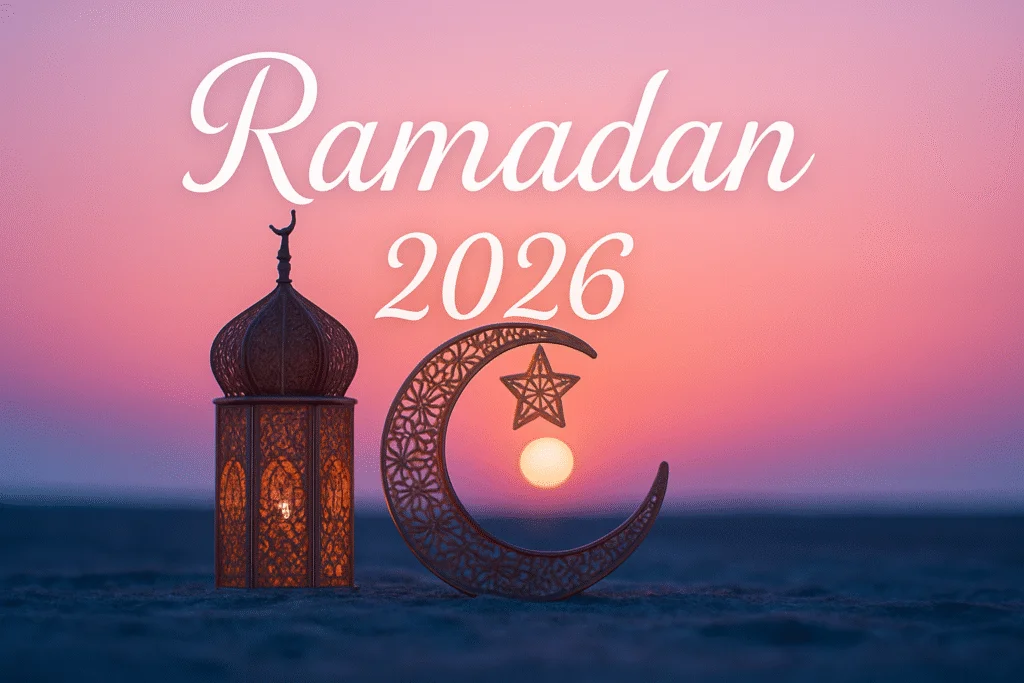
Ramadan is one of the holiest months in the Islamic calendar, observed by millions of Muslims worldwide. In 2026, Ramadan is predicted to commence in the evening of February 17 and conclude on the evening of March 18. The month is marked by fasting, prayer, reflection, and community, making it a significant period for spiritual growth and unity.
The Significance of Ramadan
During Ramadan, Muslims fast from dawn until sunset, abstaining from food, drink, and other physical needs. The fast is seen as a means of developing self-discipline, empathy for the less fortunate, and a closer connection to God. The breaking of the fast occurs at sunset with a meal known as ‘Iftar,’ often starting with dates and water and followed by a larger feast.
Key Dates and Practices
In 2026, the key dates during Ramadan will include Laylat al-Qadr, or the Night of Decree, which is believed to fall within the last ten days of Ramadan. Muslims believe this night holds great significance as it marks the moment the Quran was first revealed. Although the exact date is not definitively known, it is observed by many on the odd-numbered nights.
The Eid al-Fitr festival marks the end of Ramadan, and is celebrated with communal prayers, feasting, and giving of zakat, or charity, to help those in need. In 2026, Eid al-Fitr is expected to be celebrated on March 19.
Global Observances and Cultural Impact
As Ramadan approaches in 2026, various communities worldwide are preparing for the observance. Different cultures have unique traditions surrounding the month. For instance, in some regions, elaborate decorations are put up, while in others, special charitable events are organised. Businesses and restaurants often adapt their hours or offerings to accommodate the fasting community, showcasing the month’s cultural importance.
Conclusion
In summary, Ramadan 2026 is not just a time for fasting but also a period of increased spirituality and community involvement for Muslims around the world. As the month approaches, anticipation builds among individuals and communities alike, ready to engage in profound rituals and acts of charity. Understanding these traditions can enrich the experience for both participants and those who wish to support their friends and neighbours during this holy month.