Introduction
Phishing is a cyber crime that has grown significantly in recent years, with its implications affecting individuals and organisations alike. Understanding what phishing is and how it operates is essential for everyone who uses the internet. As digital communication continues to expand, so too does the sophistication of phishing attacks, making it a critical issue to address in today’s online environment.
What is Phishing?
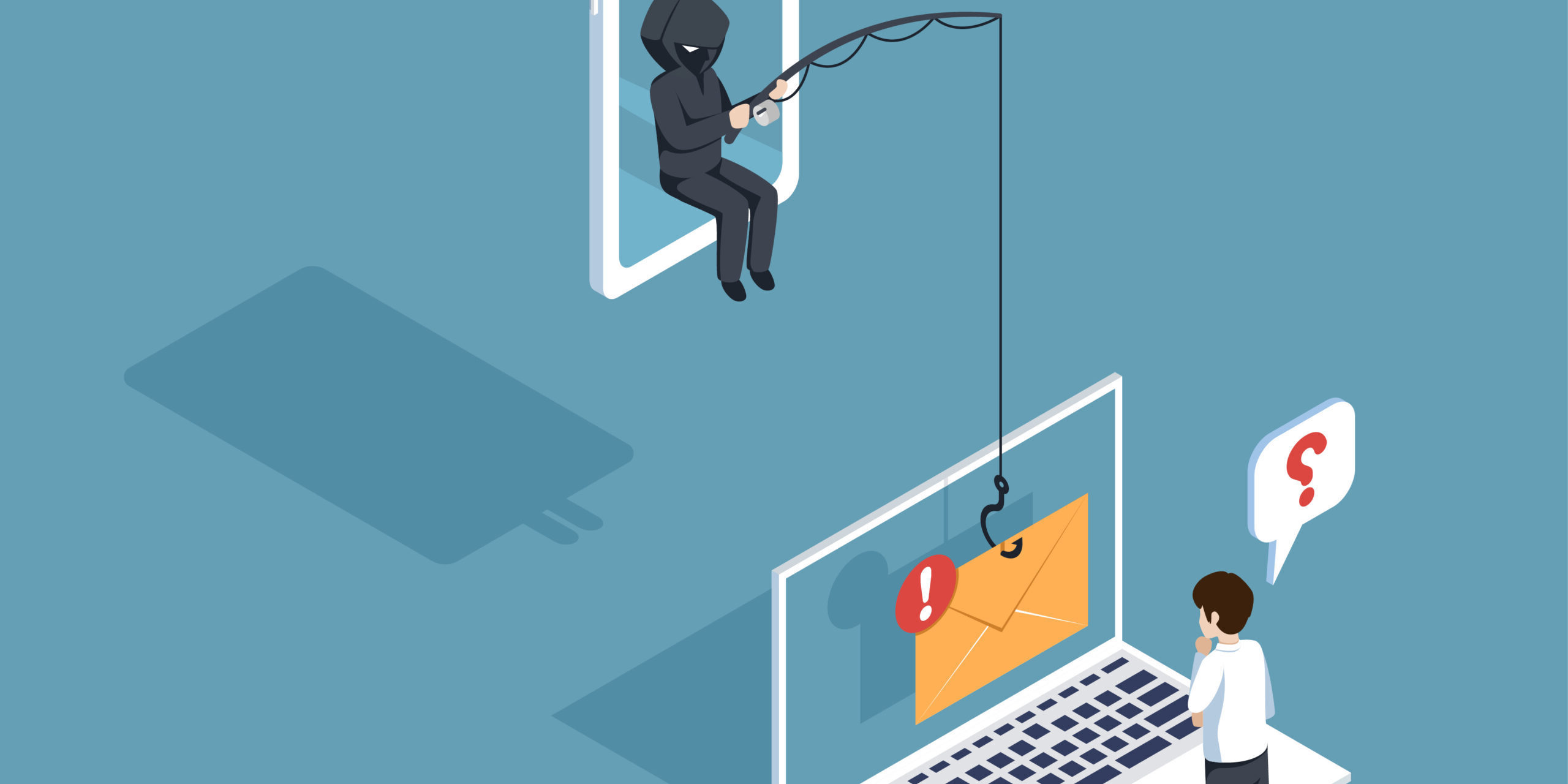
Phishing is a type of cyber attack that uses disguised email or instant message to trick the recipient into revealing personal and confidential information. This can include passwords, credit card numbers, and other sensitive data. Phishing attempts typically pose as a trustworthy entity, often mimicking known brands or institutions to gain the victim’s trust.
How Phishing Works
Phishing attacks can take various forms:
- Email Phishing: The most common form where attackers send emails that appear to be from legitimate sources, prompting users to click on malicious links or download harmful attachments.
- SMS Phishing (Smishing): Attackers send deceptive text messages that may direct users to fraudulent websites.
- Voice Phishing (Vishing): Attackers use telephone calls to manipulate victims into disclosing sensitive information.
In all cases, the aim is to trick the user into providing information that the attacker can then exploit for malicious purposes.
Recent Trends and Statistics
According to the Anti-Phishing Working Group (APWG), there was a reported increase in phishing attacks, with over 200,000 monthly detected incidents in early 2023 alone. The rise reflects a growing sophistication of attack methods, with cybercriminals employing more targeted and convincing tactics. Notably, a strong focus has shifted towards social media platforms and messaging applications, where users are often less cautious.
How to Protect Yourself
To safeguard against phishing attacks, individuals and organisations can adopt several strategies:
- Be Skeptical: Always scrutinise unexpected emails or messages, especially those urging immediate action.
- Check URLs: Hover over links to verify the actual web address before clicking.
- Use Two-Factor Authentication: Implement two-factor authentication for an extra layer of security whenever possible.
- Educate Yourself and Others: Awareness training is critical to understanding the signs of phishing and responding appropriately.
Conclusion
Phishing represents a significant threat in today’s digital society, with attackers continuously evolving their methods to deceive unsuspecting users. By understanding what phishing is and how it works, individuals and organisations can implement effective preventive measures. Ongoing education, vigilance, and utilising advanced security tools can help mitigate the risks associated with phishing, ensuring a safer online experience for everyone.