Introduction
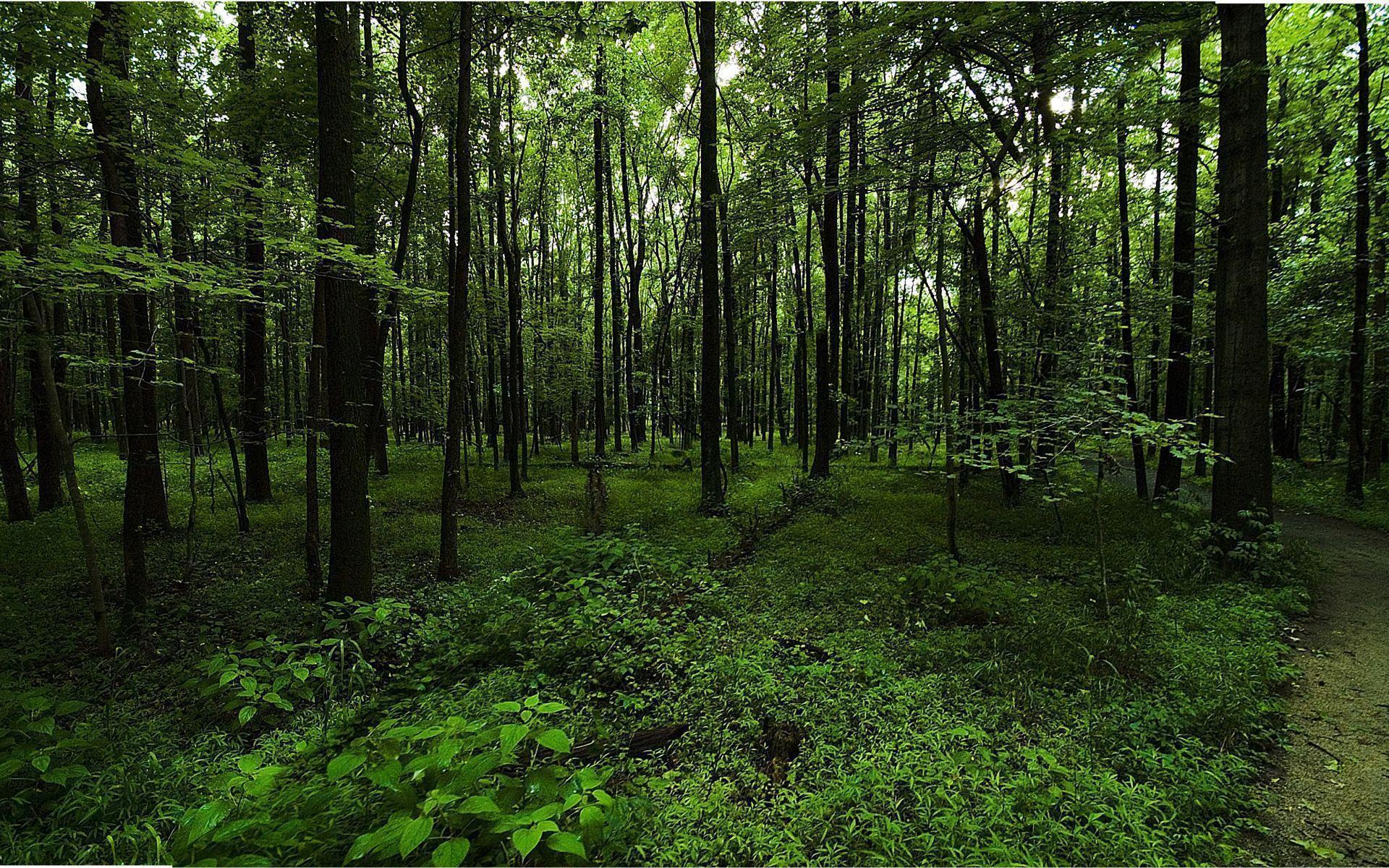
The concept of NH, or ‘natural habitat,’ has emerged as a vital component in discussions about sustainable living and environmental preservation. As the global community faces unprecedented challenges such as climate change, loss of biodiversity, and urbanisation, NH serves as a reminder of the relationship between humans and nature. This article examines the significance of NH and its relevance in today’s context.
Current Events and Developments
Recent initiatives in urban planning highlight the importance of NH. Cities worldwide are embracing biophilic design principles to incorporate natural elements into urban environments. For instance, the “Green Cities” initiative in the UK promotes urban greenery, integrating parks, green roofs, and community gardens to combat heat islands and pollution. This movement aligns well with the NH concept, creating spaces where nature supports the physical and mental well-being of urban residents.
Moreover, organisations such as the World Wildlife Fund (WWF) have been advocating for large-scale rewilding projects that restore natural habitats across degraded landscapes. This not only mitigates the effects of climate change by enhancing carbon sequestration but also lays the groundwork for biodiversity recovery. For example, the reintroduction of species such as beavers in the UK is helping to stabilise ecosystems, demonstrating a practical application of NH principles.
Benefits of Prioritising NH
Emphasising NH offers numerous advantages. Environmentally, it fosters biodiversity, improves air and water quality, and provides critical habitats for wildlife. Economically, green spaces can increase property values and attract tourism. Socially, access to natural settings can enhance community ties and promote healthier lifestyles. Studies indicate that individuals living in urban areas with nearby green spaces report lower stress levels and improved mental health.
Conclusion
In conclusion, the concept of NH underscores the importance of integrating natural systems into human environments. As our cities continue to grow, prioritising NH can create sustainable, resilient communities that thrive alongside nature. As we forge ahead, the significance of NH in urban design and planning will become increasingly apparent, guiding our efforts to create a balanced relationship with our environment. Moving forward, it is critical for policymakers, urban planners, and citizens to advocate for and implement strategies that prioritise NH, ensuring a sustainable future for generations to come.