The Importance of Moldova in Today’s Geopolitical Landscape
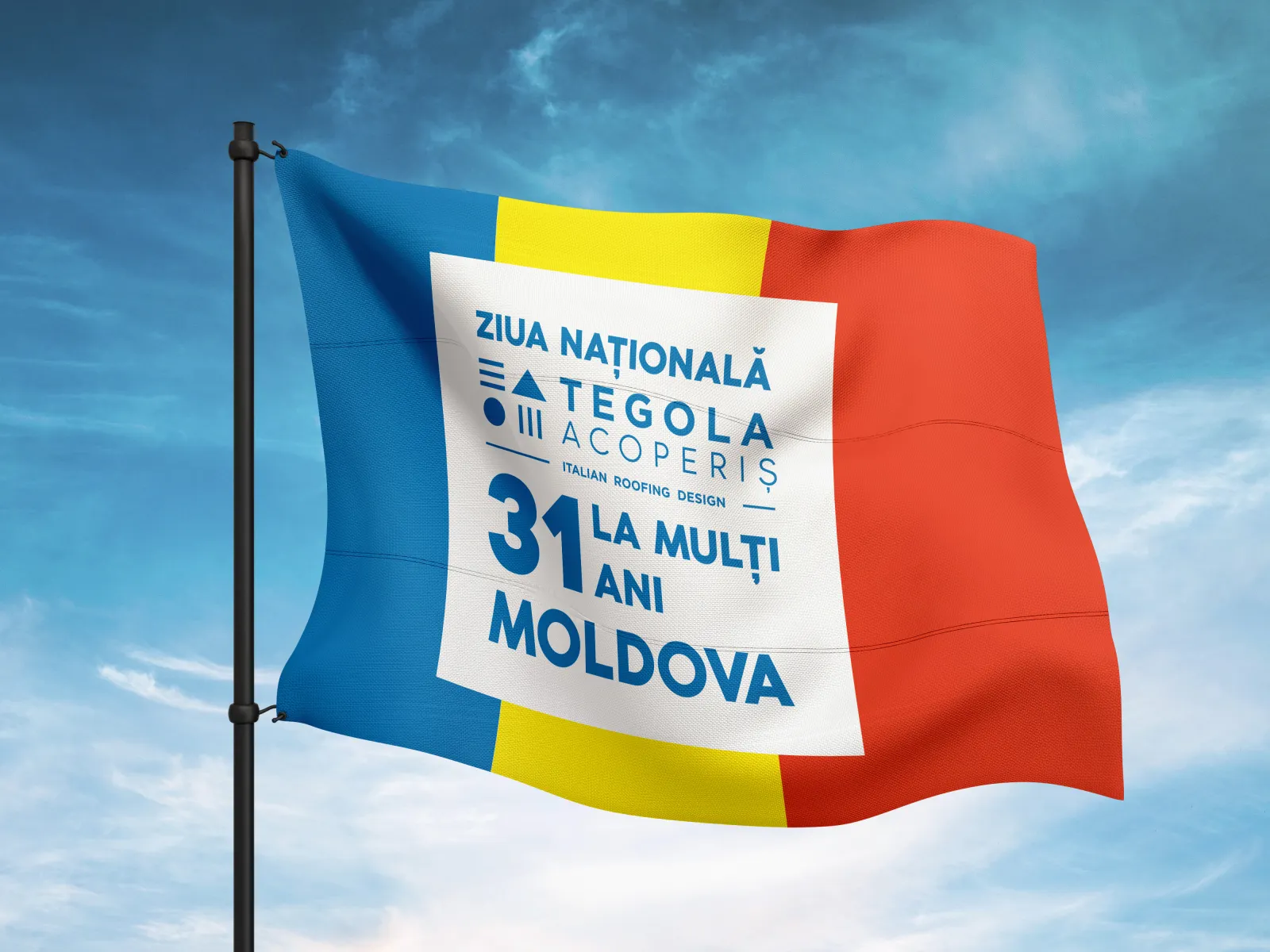
Moldova, a small Eastern European nation bordered by Romania and Ukraine, plays a significant role in the region’s geopolitical dynamics. It has been a focal point of European Union discussions and geopolitical tensions arising from its relationships with Russia and the West. The importance of Moldova stems not only from its strategic location but also from its ongoing efforts to navigate post-Soviet independence challenges, aiming for EU integration amidst rising regional instability.
Recent Developments in Moldova
In recent months, Moldova has experienced significant political shifts and social movements, reflecting a growing desire for reform and alignment with European standards. The elections held in early 2023 saw the pro-European Party Action and Solidarity (PAS) securing a decisive victory, which has been met with both support and opposition within the country. President Maia Sandu’s administration is focusing on anti-corruption measures, judicial reforms, and increasing transparency in governance.
At the same time, Moldova faces economic challenges, exacerbated by the impact of the war in Ukraine. The influx of Ukrainian refugees has tested the nation’s resources, though it has also fostered a sense of solidarity and support among Moldovans. The economy, heavily reliant on agriculture, is seeking diversification and modernization, with assistance from international partners and NGOs aimed at boosting resilience and sustainability.
The Role of the European Union
As Moldova strives for closer ties with Europe, the European Union has indicated its support through substantial funding and a commitment to assist with necessary reforms. In October 2023, the EU announced an additional €60 million in aid, aimed at enhancing Moldova’s energy security and promoting infrastructure development. This financial aid is pivotal, considering the ongoing energy crisis that has affected many Eastern European countries.
Conclusion: What Lies Ahead for Moldova?
Going forward, the outlook for Moldova remains cautiously optimistic. The efforts of the current government to push forward reforms and combat corruption are crucial for maintaining public support and fostering a stable political climate. However, regional instability and internal challenges, such as economic vulnerabilities and social divisions, continue to pose risks. The nation’s path towards EU integration and socio-economic improvement will depend heavily on its ability to implement effective governance and leverage international partnerships.
Moldova’s journey showcases the intricate balance between national aspirations and external pressures in a rapidly changing geopolitical environment. For readers interested in global affairs, Moldova’s unique position provides valuable insights into the complexities facing smaller nations in the shadow of larger powers.