Introduction to Mar Menor
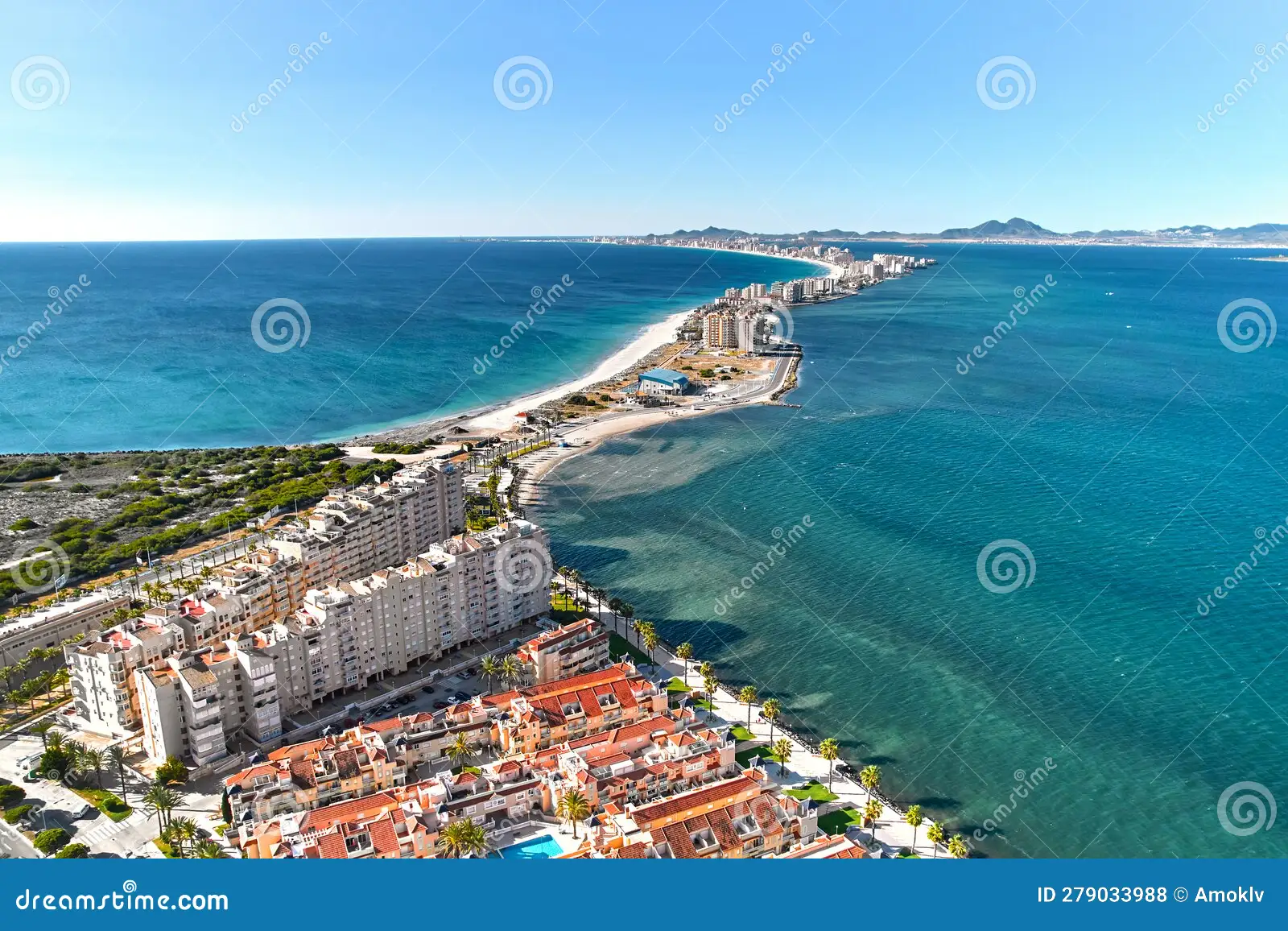
Mar Menor, located in the Murcia region of Spain, is the largest saltwater lagoon in Europe, spanning over 170 square kilometres. This unique ecosystem, separated from the Mediterranean Sea by a narrow sandbar known as La Manga, is crucial for biodiversity and a popular destination for water sports and tourism. However, it also faces significant environmental challenges that threaten its health and sustainability.
Current Events and Environmental Challenges
In recent years, Mar Menor has been subjected to severe ecological stress due to pollution from agricultural runoff, tourism, and urban development. Algal blooms caused by excess nutrient input have led to hypoxic conditions, endangering numerous species and disrupting the local fishing industry. This situation has resulted in public outcry and calls for action from environmental organisations and citizens alike.
In September 2021, an alarming fish die-off event highlighted the dire state of the lagoon, prompting the regional government to declare a state of emergency. Various stakeholders, including farmers, local communities, and government bodies, are currently debating potential solutions and management strategies. In response, initiatives aimed at restoring the lagoon’s health are being formulated, such as better regulating agricultural practices, improving wastewater management, and enhancing conservation efforts.
Restoration Initiatives and Future Prospects
Efforts are underway to restore the ecological balance of Mar Menor. The local government has introduced new legislation aimed at regulating agricultural activities in the surrounding areas, including limits on fertiliser use and stricter controls on water quality. Additionally, awareness campaigns are being launched to educate the public about the importance of protecting this precious ecosystem.
Moreover, collaboration among scientists, environmentalists, and policymakers is crucial for the effective management of Mar Menor. Research initiatives focusing on the lagoon’s biodiversity and water quality are being pursued to provide data that will inform future conservation strategies.
Conclusion: The Importance of Mar Menor
The ongoing challenges faced by Mar Menor highlight the delicate balance between human activity and environmental preservation. As efforts intensify to address these issues, the future of Mar Menor hangs in the balance. Restoration efforts not only seek to revive this unique lagoon but also serve as a reminder of the importance of sustainable practices in safeguarding our natural resources. For residents, businesses, and tourists alike, the health of Mar Menor is vital, not just for the local economy but for the ongoing legacy of this exceptional ecosystem.