Introduction
JD Wetherspoon, a prominent UK pub chain, is known for its commitment to customer service and inclusivity. As an establishment that welcomes a diverse clientele, understanding the assistance dog policy is crucial for many individuals relying on these trained animals. The policy not only affects patrons with disabilities but is also indicative of the company’s broader commitment to accessibility.
Details of the Policy
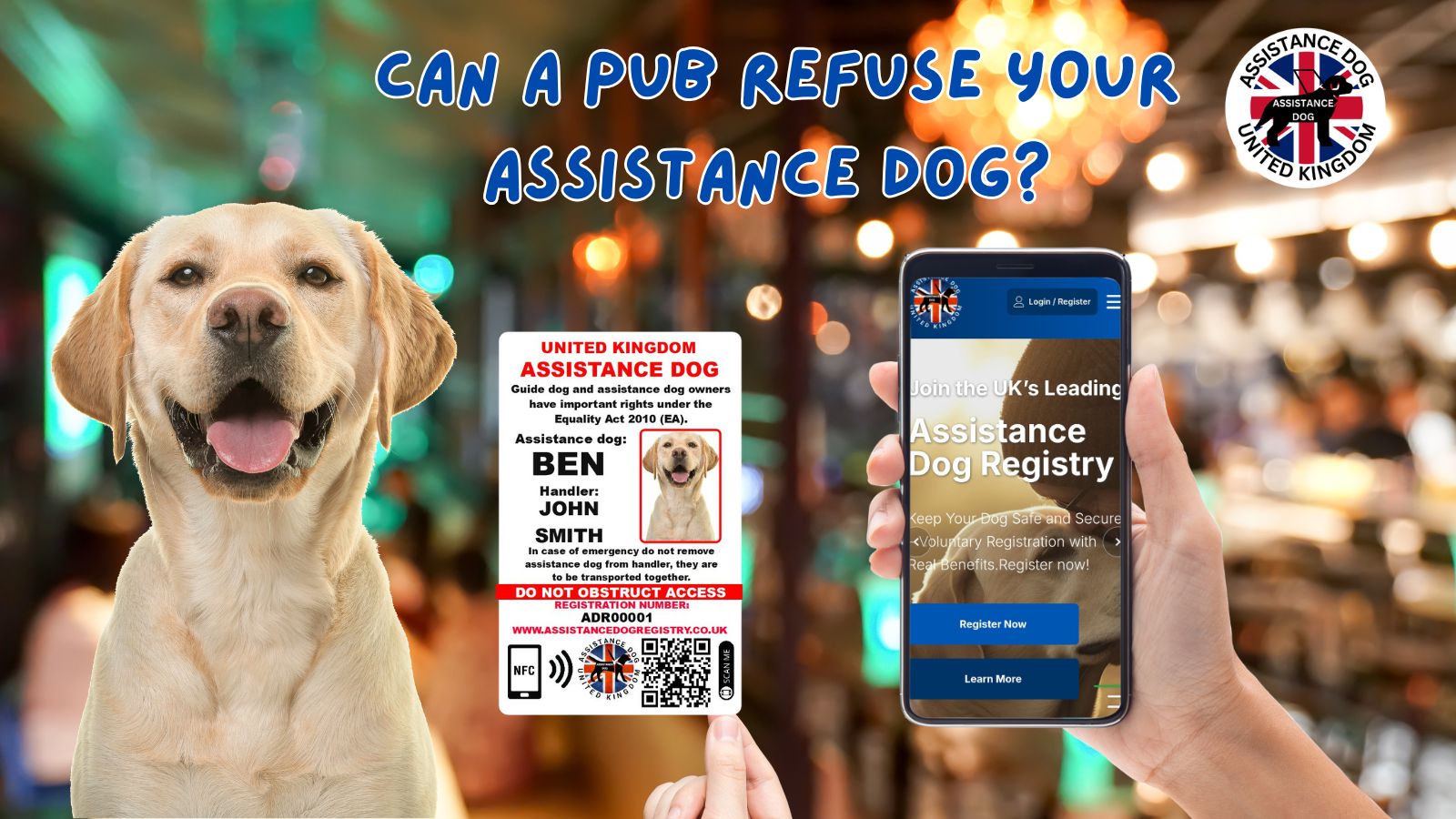
Wetherspoon’s assistance dog policy permits customers to enter any of their establishments accompanied by a recognised assistance dog. This includes dogs specifically trained to aid individuals with disabilities, such as guide dogs for the visually impaired or hearing dogs for the deaf. The pub chain complies with the Legal framework established under the Equality Act 2010, which stipulates that all businesses must allow assistance dogs access to their premises.
The policy is not just theoretical; recent statements from Wetherspoon officials underscore their commitment to training staff to handle the presence of assistance dogs appropriately. Training includes knowledge about the rights of assistance dog handlers and the appropriate behaviour expected in such situations. Staff are encouraged to treat both the customers and their assistance dogs with respect and sensitivity.
Public Reactions and Future Implications
In recent months, Wetherspoon has faced scrutiny concerning their assistance dog policy. Some patrons expressed concerns about inconsistent enforcement across different pubs. This has led the company to reaffirm its guidelines and ensure that all branches adhere to the same standards. Furthermore, Wetherspoon aims to leverage customer feedback to improve the experiences of those using assistance dogs.
This focus on inclusivity may have broader implications for the hospitality industry. As more establishments are prompted to review their accessibility policies, Wetherspoon could set a precedent for how assistance dogs are accommodated. Expert commentary suggests that positive public reception of Wetherspoon’s policy could encourage a shift towards more comprehensive assistance dog policies across various sectors.
Conclusion
The assistance dog policy of JD Wetherspoon represents an essential aspect of their customer service philosophy. By allowing assistance dogs, they not only comply with legal requirements but also promote a culture of inclusivity. As the conversation around inclusivity continues to evolve, the role of large establishments like Wetherspoon will be critical in shaping public perception and accessibility practices in the UK. Overall, their proactive approach indicates a positive step toward ensuring all customers feel welcome and accommodated.