Introduction to Flight Radar Technology
Flight radar technology has become increasingly important in recent years, playing a crucial role in aviation safety, regulation, and passenger convenience. With the rise of air travel, the ability to track aircraft in real time has proven to be invaluable for airline operators, air traffic controllers, and passengers alike. As global air traffic continues to increase, understanding flight radar systems is essential for improving air navigation and enhancing the overall travel experience.
How Flight Radar Works
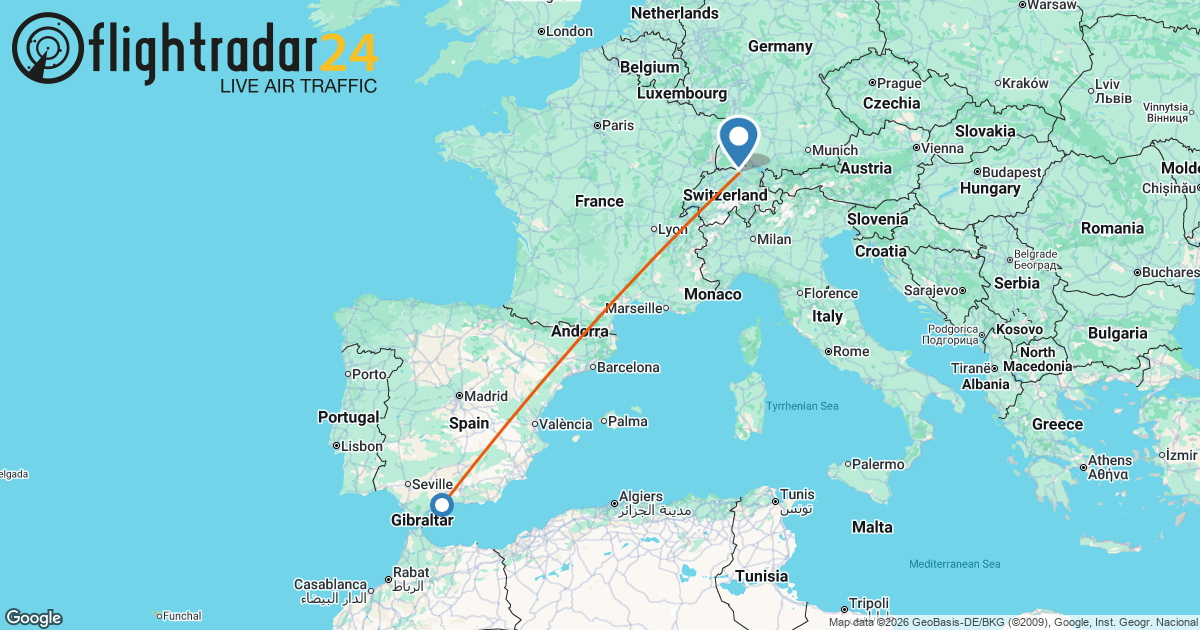
Flight radar systems utilise a combination of technologies, including radar, satellite communication, and transponder data from aircraft, to provide accurate tracking of flights around the world. These systems gather information about an aircraft’s altitude, speed, and flight path, which is transmitted to air traffic control units to ensure safe and efficient air travel.
Modern flight tracking is largely dependent on Automatic Dependent Surveillance–Broadcast (ADS-B) technology, where aircraft transmit their own positional information to ground stations and other aircraft. This data can be accessed by various flight radar applications, allowing users to see real-time information on aircraft movements, both peculiar and routine.
Recent Developments and Events
In recent months, flight radar applications and platforms have enhanced their features. For example, companies such as FlightAware and Flightradar24 have rolled out updates that provide not only tracking capabilities but also historical data, operational alerts, and predictive analytics for upcoming flights. This rich dataset is crucial for airlines to analyze traffic patterns and improve scheduling to meet growing demand.
Moreover, public interest in flight radar technology surged during the pandemic when travel restrictions limited air travel. Observers took to flight radar platforms to monitor unusual flight patterns, such as cargo flights carrying essential supplies or repatriation flights returning stranded travellers home.
The Future of Flight Radar
Looking ahead, the role of flight radar technology is expected to expand even further with advancements in artificial intelligence and machine learning, leading to more sophisticated tracking systems. Enhanced data analytics will enable airlines to optimise routes, improve fuel efficiency, and reduce carbon emissions.
Furthermore, with initiatives to integrate drones and unmanned aerial systems into national airspaces, flight radar technology will need to evolve to accommodate new types of aircraft, ensuring safety in increasingly crowded skies.
Conclusion
In summary, flight radar technology is a critical component of modern aviation, providing essential information that supports safety, efficiency, and passenger satisfaction. As air travel continues to grow, innovations in flight tracking will remain at the forefront of efforts to enhance global aviation standards and adapt to changing dynamics in the industry. For aviation enthusiasts, industry professionals, and the general public alike, understanding flight radar technology is increasingly relevant and necessary.