Introduction
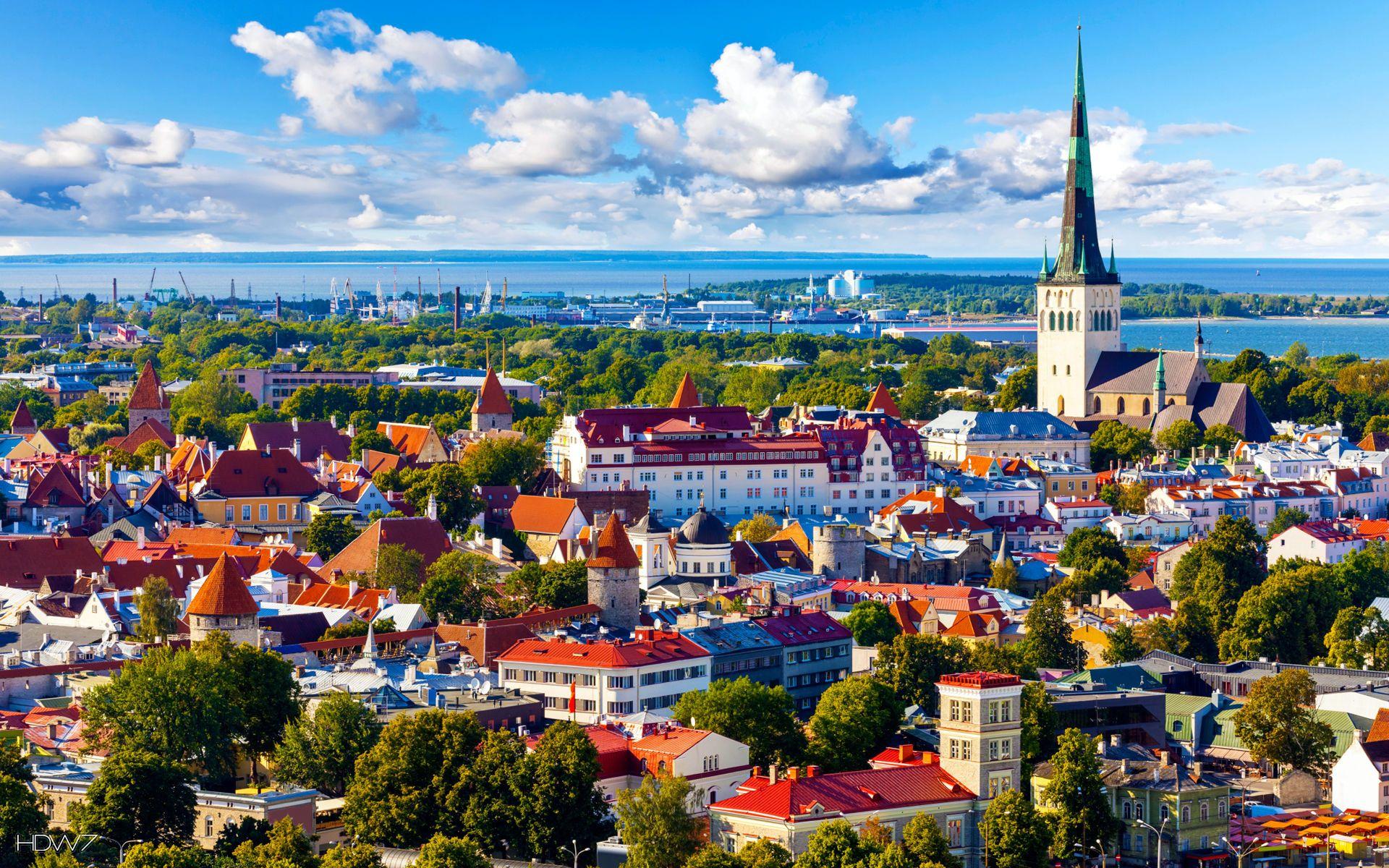
Estonia, a small Baltic nation bordered by the Gulf of Finland, the Baltic Sea, and Latvia, has gained prominence not only for its scenic beauty but also for its significant advancements in technology and democracy. As a member of the European Union and NATO, Estonia plays a pivotal role in European politics and regional security. With a forward-thinking digital society, Estonia serves as a model for e-governance and innovation, making it an essential topic of discussion for those interested in European affairs.
Current Developments in Estonia
In recent years, Estonia has been recognised globally for its vibrant tech scene and strong emphasis on digitalisation. The country is home to numerous successful start-ups, including the renowned Skype and TransferWise, which have established Estonia as a leading hub for technology innovation. In September 2023, the Estonian government announced an initiative aimed at fostering further growth within the technology sector, including grants for new startups and the establishment of innovation hubs across the country.
Moreover, Estonia’s commitment to e-governance is evident through its digital identity system that allows citizens to manage their civic duties online, from voting to obtaining documents. Data from 2023 indicated that approximately 99% of Estonian state services were available online, reinforcing the country’s reputation for efficiency and innovation.
Cultural and Economic Landscape
Estonia’s culture is a compelling blend of old and new, reflecting a rich history influenced by various nations. The country recently celebrated its 105th anniversary of independence, which serves as a reminder of its resilient journey towards democracy and self-governance. Events throughout 2023, such as the Tallinn Music Week and various art exhibitions, have showcased Estonia’s commitment to preserving and promoting its cultural heritage.
Economically, Estonia has emerged as one of the fastest-growing economies in the European Union post-COVID-19, with a growth forecast of approximately 3.5% for 2024. Investments in technology and green energy are expected to drive this growth, with the Estonian government actively pursuing sustainable development goals while ensuring economic stability.
Conclusion
As we look towards the future, Estonia’s role on the European stage appears increasingly significant. With its innovative approaches to governance and technology, coupled with a rich cultural identity, Estonia represents a model for smaller nations aiming for big impacts. Readers interested in European politics, technology, and cultural heritage should keep a close eye on Estonia as it continues to develop and influence the region.