Introduction
The gold price is a critical economic indicator, serving as a hedge against inflation and currency fluctuations. Its fluctuations impact not just investors and financial markets but also economies worldwide. In recent months, the price of gold has gained significant attention due to geopolitical tensions, economic shifts, and changing consumer habits.
Recent Trends in Gold Prices
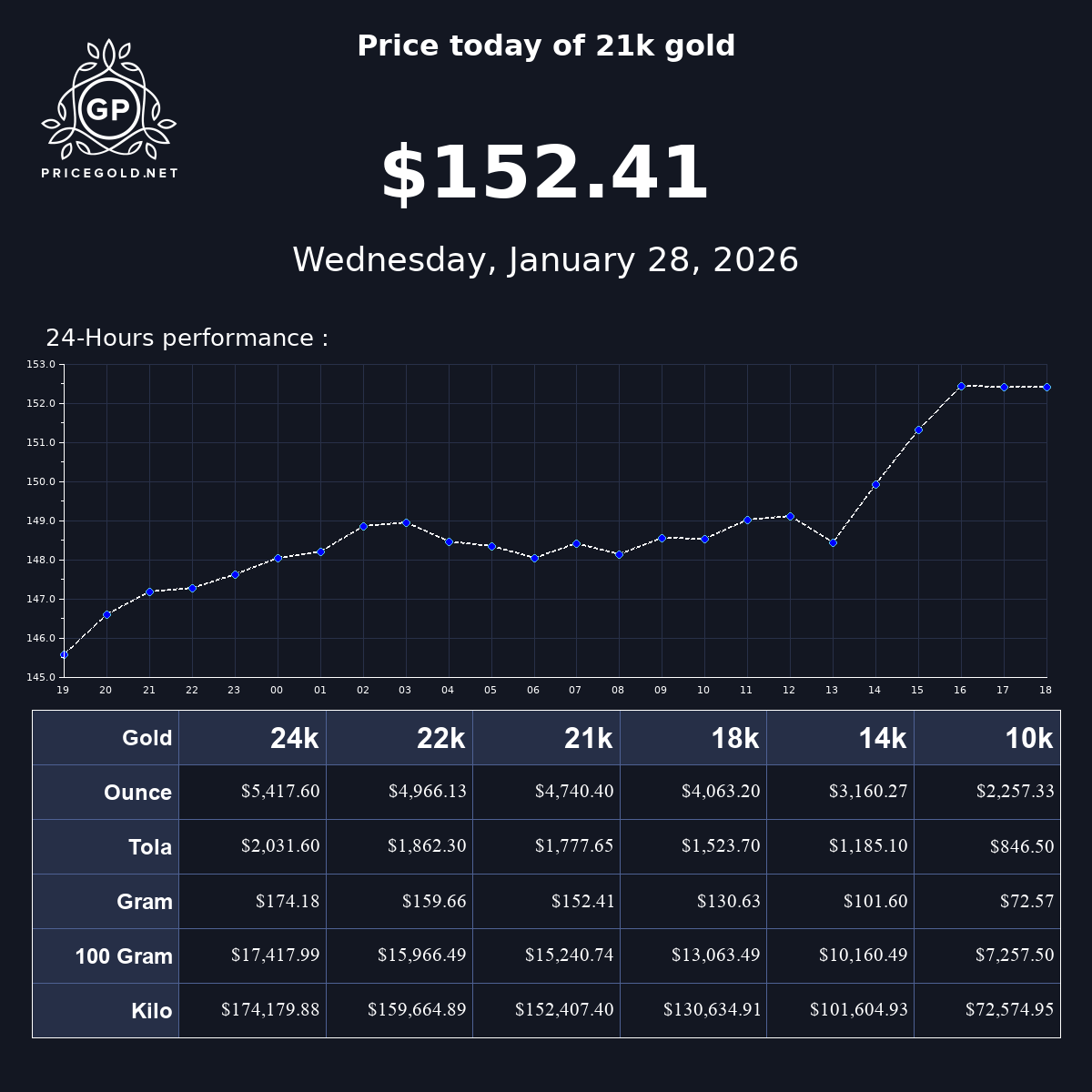
As of October 2023, the price of gold has seen a notable increase, currently averaging around £1,800 per ounce. This upward trend reflects a 15% rise from earlier in the year, driven by a mix of inflation fears, interest rate decisions by major central banks, and ongoing global uncertainty. Following the onset of heightened tensions in Eastern Europe and concerns in Asia, many investors have turned to gold as a safe-haven asset.
According to data from the London Bullion Market Association, gold prices spiked in September, following statements by the Bank of England about the potential for further interest rate hikes. Investors have interpreted this move as indicative of ongoing economic instability, leading to an increase in gold purchases thereafter.
Factors Influencing Gold Prices
Several key factors influence gold prices. Central to this is interest rates: lower interest rates make gold an attractive investment as it does not yield interest. Moreover, inflation, which is currently a concern in many economies, drives investors to seek gold as a stable store of value. In addition, geopolitical tensions, such as conflicts and trade disputes, tend to increase demand for gold. Finally, the US dollar’s strength can inversely affect gold prices; when the dollar weakens, gold prices often rise.
Future Forecasts and Significance for Investors
Financial analysts predict that gold prices may continue to rise in the near future, with projections suggesting prices could reach upwards of £1,900 per ounce by early 2024. This forecast is contingent upon global economic conditions, including inflation rates, interest rate movements, and geopolitical stability.
For investors, understanding gold price trends is important not only for asset diversification but also for strategic investment planning. As economic landscapes shift, being informed about the dynamics of gold can provide insights into broader market movements.
Conclusion
The significance of the gold price extends far beyond mere trading; it reflects larger economic concerns and investor sentiments. As we move into the final quarter of 2023, the relationship between gold prices and global events will likely remain a topic of interest for both seasoned investors and casual observers alike.