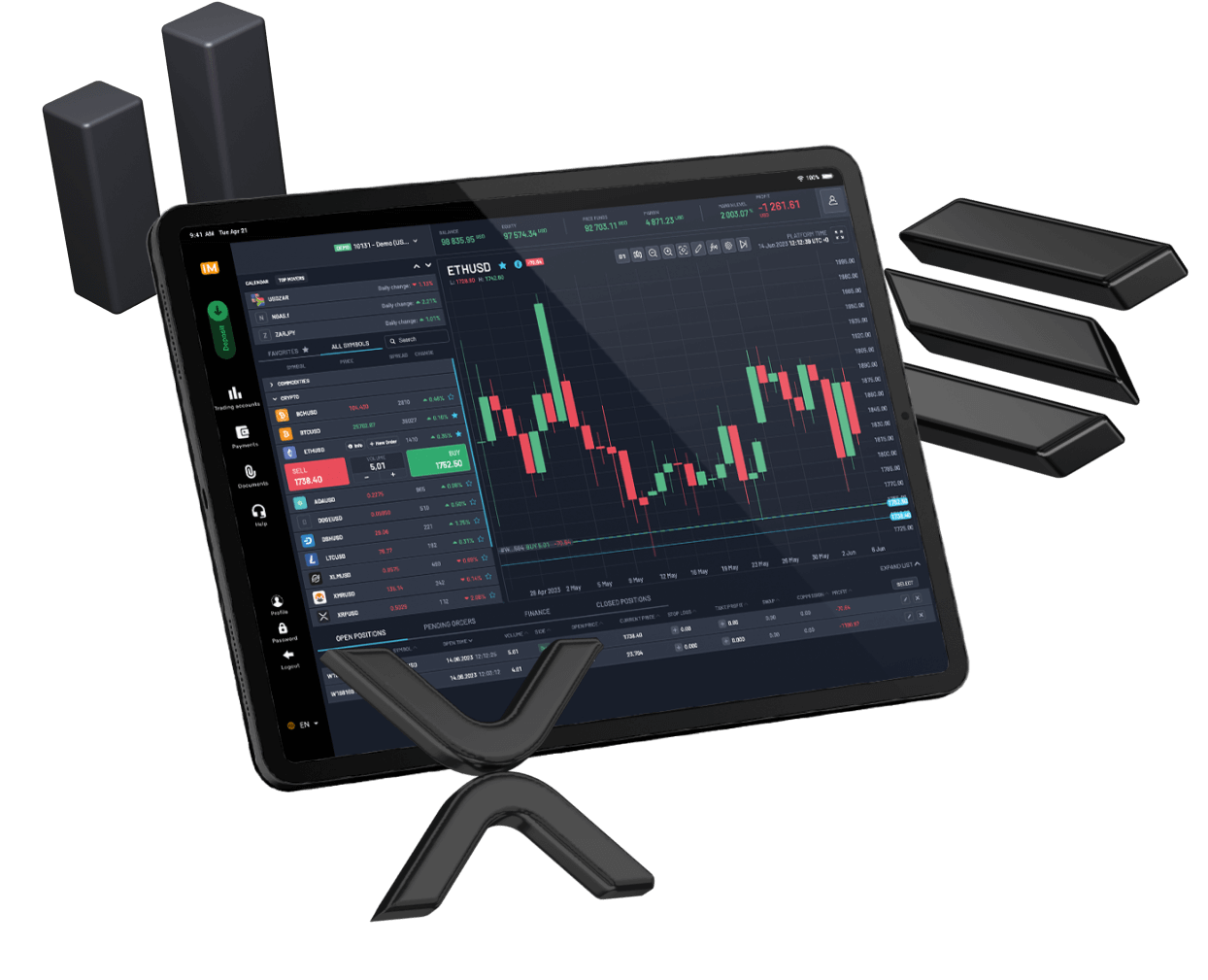
The Rise of Cryptocurrency Trading
Cryptocurrency trading has rapidly evolved, becoming a prominent aspect of the financial landscape in recent years. As digital currencies like Bitcoin and Ethereum gain traction, the trading of these assets has attracted a growing number of investors. The significance of this topic is undeniable, as it reflects broader trends in technology, finance, and regulatory frameworks that shape the future of trading.
Market Trends and Developments
In 2023, the cryptocurrency trading market reached a monumental valuation of approximately $2 trillion, driven by significant institutional investments and technological advancements. Platforms such as Binance and Coinbase continue to dominate the exchanges, providing users with various options for trading diverse cryptocurrencies. Additionally, the emergence of decentralised finance (DeFi) has further transformed how trading operates, allowing users to engage in financial services without intermediaries.
The trends indicate a surge in retail investor participation, particularly in younger demographics. According to a recent survey by the Financial Conduct Authority, over 10% of UK adults reported owning some form of cryptocurrency, illustrating how mainstream acceptance of digital assets is burgeoning.
Challenges and Risks
Despite the growth, cryptocurrency trading is fraught with challenges. The market remains highly volatile, with price fluctuations that can lead to significant gains or losses in short time frames. Regulatory scrutiny has also intensified following high-profile cases of fraud and market manipulation. Governments worldwide are grappling with how to regulate cryptocurrencies effectively while fostering innovation.
To mitigate risks, experienced traders often advocate for the use of risk management strategies, including stop-loss orders, diversification of portfolios, and employing technical analysis for informed decision-making.
The Future of Cryptocurrency Trading
Looking ahead, the future of cryptocurrency trading appears promising yet uncertain. Analysts predict that as blockchain technology matures, regulatory frameworks may become clearer, attracting more institutional investors. Furthermore, innovations like non-fungible tokens (NFTs) and central bank digital currencies (CBDCs) could reshape the trading landscape.
For potential investors, understanding the dynamics of cryptocurrency trading is essential. Staying informed about market trends, regulatory changes, and technological advancements will be crucial for making informed decisions.
Conclusion
In summary, cryptocurrency trading represents a significant evolution in the investment landscape. While it offers opportunities for lucrative gains, the associated risks should not be overlooked. As this sector continues to evolve, both seasoned traders and newcomers alike must approach it with a combination of optimism and caution, ensuring they are equipped with the knowledge and tools necessary for success.