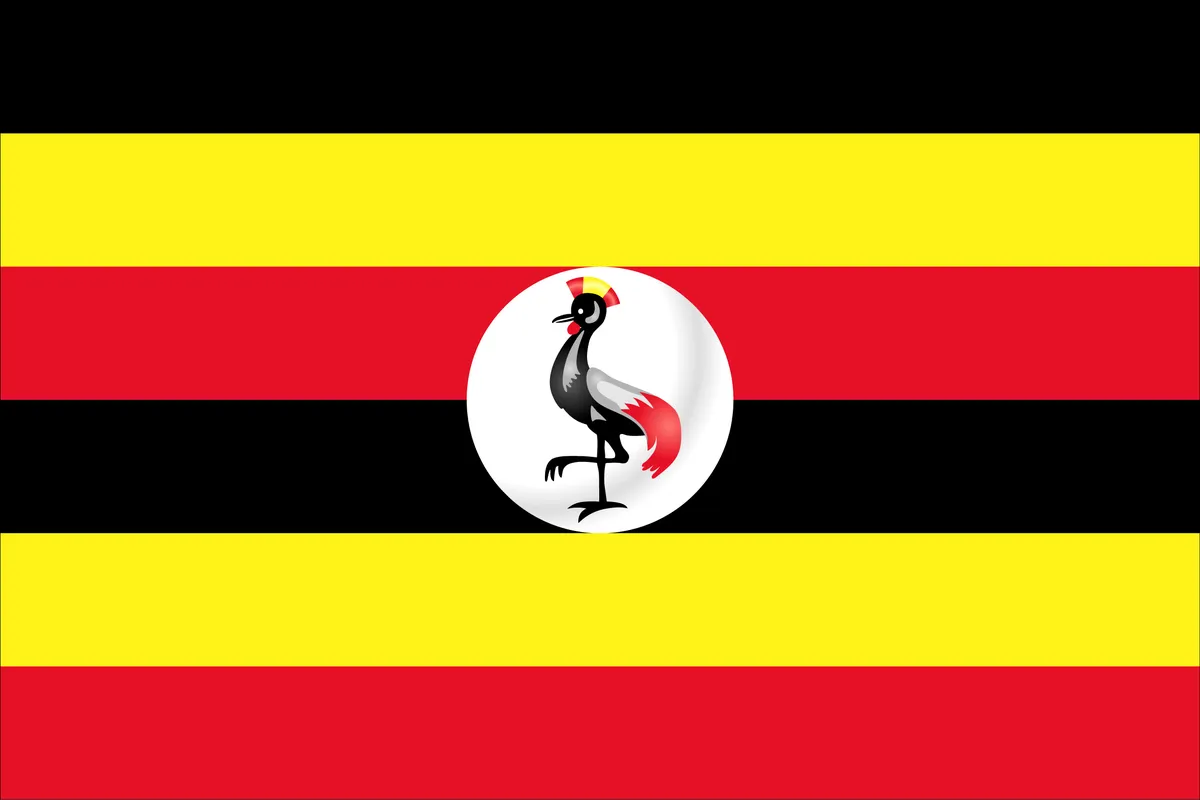
As the conflict in the Middle East escalated in late February 2026, Uganda found itself at a crossroads. The nation, led by military chief Muhoozi Kainerugaba, son of President Yoweri Museveni, began to vocalize its stance regarding the ongoing war between Israel and Iran.
On March 26, 2026, Kainerugaba made a bold declaration, stating that Uganda would join the war on the side of Israel if the situation deteriorated further. He emphasized, “We want the war in the Middle East to end now. The world is tired of it. But any talk of destroying or defeating Israel will bring us into the war — on the side of Israel.” This statement underscored Uganda’s commitment to supporting Israel amid rising tensions.
Kainerugaba’s support for Israel was not merely rhetorical. He announced plans to erect a statue honoring Yonatan Netanyahu, a figure remembered for his role in a historic rescue operation in Uganda in 1976. This gesture symbolizes a deepening relationship between the two nations, rooted in shared history.
In his remarks, Kainerugaba asserted, “Israel has a right to exist and attacks against her must stop.” This sentiment reflects not only Uganda’s political alignment but also its military readiness. With a defense budget of $1.5 billion, Uganda ranks 107th among the world’s strongest militaries and boasts 45,000 active troops and 10,000 paramilitary units.
The Uganda People’s Defense Force (UPDF) is equipped with over 250 tanks and operates 51 aircraft, 26 of which are combat-ready. Kainerugaba’s statements suggest that Uganda is prepared to leverage this military capability should the conflict continue to escalate.
As the situation unfolds, the implications of Uganda’s military stance are significant. The country’s involvement could shift regional dynamics and impact international relations, particularly in the context of its historical ties with Israel.
Amid the backdrop of increasing casualties reported since the conflict intensified, Kainerugaba’s words resonate with urgency. His assertion, “We could have captured Tehran in 72 hours without any bombing, but of course they never listen to a black man,” reflects a complex interplay of race, politics, and military strategy.
As of now, Uganda stands ready to act, with Kainerugaba’s declarations serving as a clarion call for solidarity with Israel. The world watches closely, aware that the decisions made in Kampala could have far-reaching consequences.
Details remain unconfirmed regarding the exact nature of Uganda’s potential involvement, but the commitment to support Israel is clear. The unfolding events in Uganda will undoubtedly shape the narrative of this ongoing conflict.