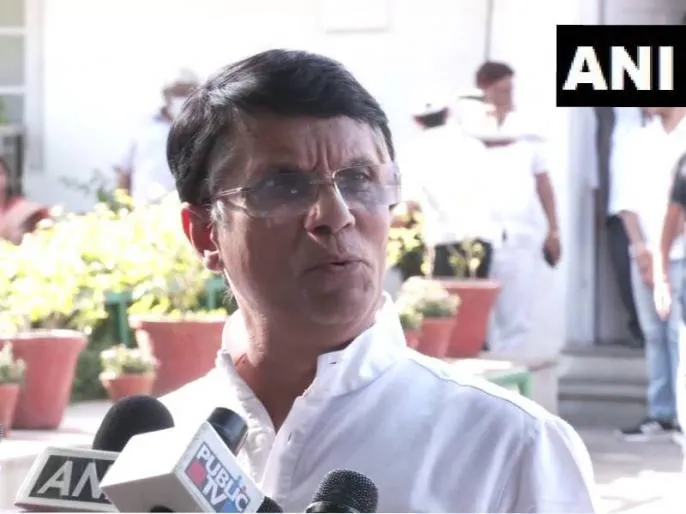
As the Assam elections draw near, scheduled for April 9, 2026, the political landscape is heating up. Tensions are palpable as various leaders engage in a war of words, with Uddhav Thackeray’s spokesperson, Anand Dubey, stepping into the fray.
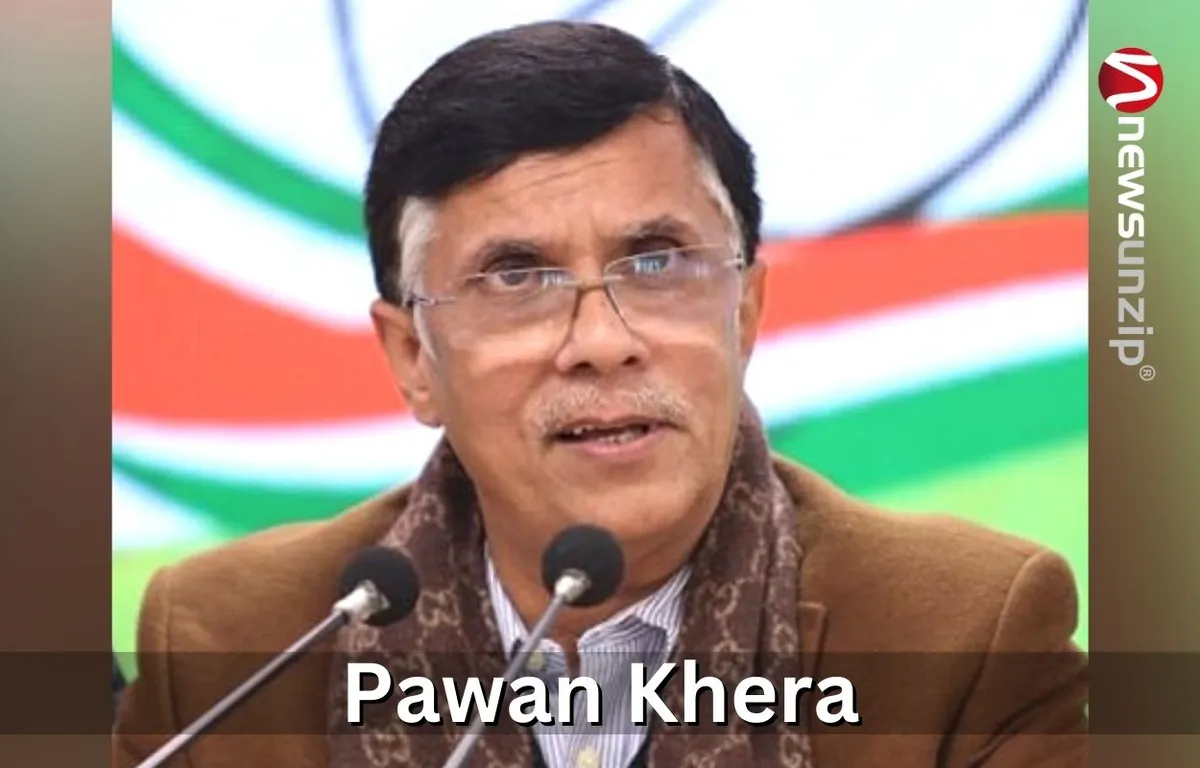
On April 5, Dubey criticized Congress leader Pawan Khera, accusing him of damaging the party’s image through his remarks. “Assam ka chunav achha chal raha hai lekin Pawan Khera jaise netaon ne apne badbolepan ki wajah se is chunav mein Congress ki chhavi ko nuksan pahunchaya hai,” he stated, emphasizing the need for a focus on issues rather than personal attacks.
In a counterpoint, Rashid Alvi defended Khera, asserting that a spokesperson’s comments reflect the party’s stance, making the filing of an FIR against him unlawful. This exchange highlights the growing friction within the Congress party as they prepare for the upcoming elections.
Meanwhile, Supriya Shrinate accused Khera of making serious allegations against Himanta Biswa Sarma and his family, demanding accountability from the BJP. “Pawan Khera has levelled serious allegations supported by evidence against Himanta Biswa Sarma and his family. They should respond to them,” she asserted.
On the other hand, Imran Masood came to Khera’s defense, stating that his comments during a press conference in Guwahati were factual. “The truth will come out; you can never cover up lies,” he remarked, suggesting that the allegations against Sarma are rooted in reality.
As the BJP continues to assert its position, Amit Shah claimed that the party is actively removing illegal immigrants from the voter list in Assam. This claim adds another layer of complexity to the electoral dynamics, as the BJP seeks to consolidate its voter base.
Akhil Gogoi, a prominent opposition figure, expressed optimism about the elections, stating that people in Assam are eagerly waiting to vote for change. “The people in Assam are waiting to vote for the opposition to bring change on April 9,” he noted, reflecting the sentiments of many voters who are looking for a shift in governance.
With seven districts in Assam now reported as Muslim-majority, the stakes are higher than ever for all parties involved. The outcome of this election could significantly reshape the political landscape in the region.
As the clock ticks down to election day, the political atmosphere remains charged, with each party vying for public support. The criticisms and defenses exchanged among leaders underscore the high stakes involved in this electoral battle.
Details remain unconfirmed as the situation continues to evolve, but one thing is clear: the Assam elections will be a pivotal moment for Uddhav Thackeray’s influence and the future of Congress in the state.