Introduction
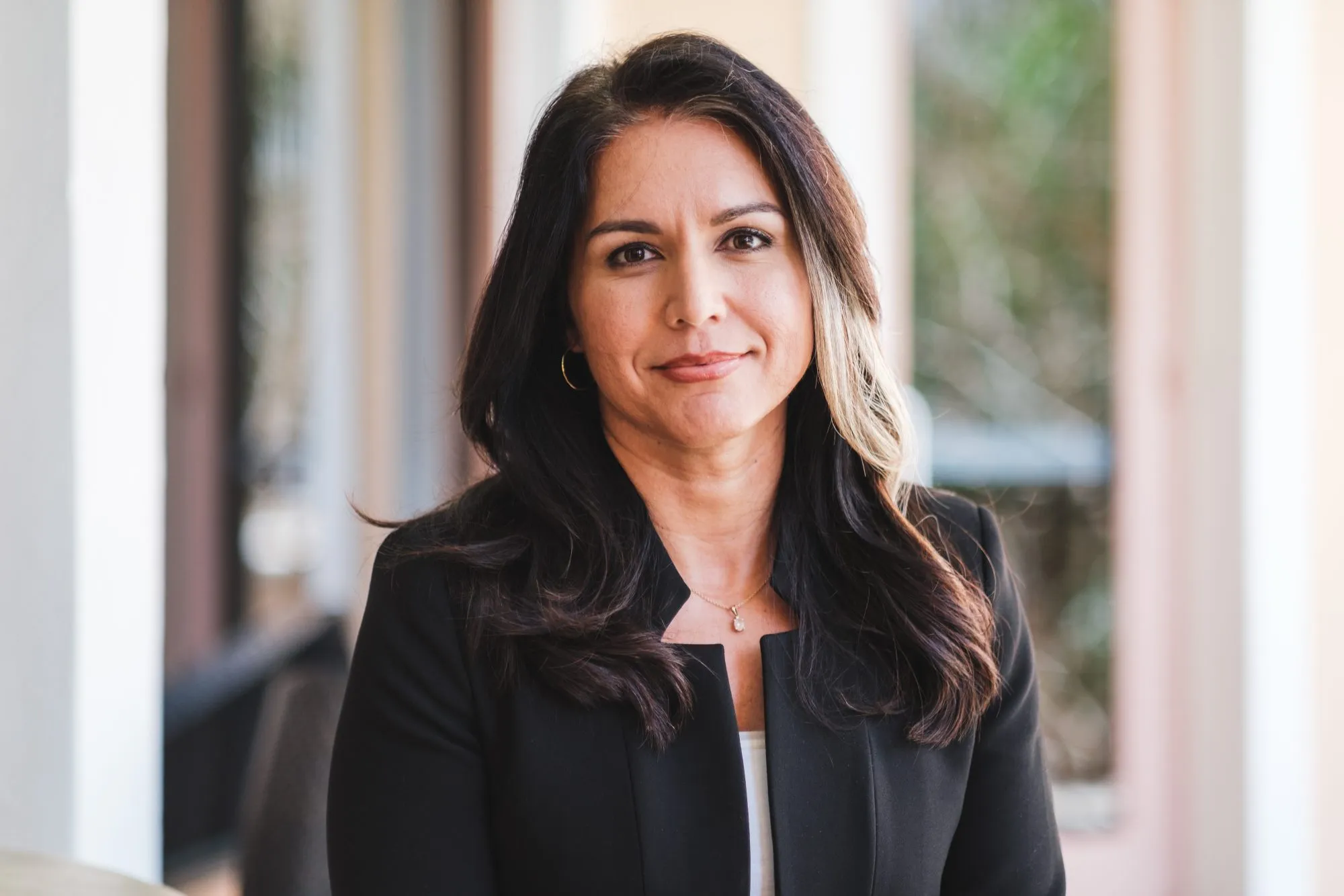
Tulsi Gabbard, a former U.S. Representative from Hawaii, has been a prominent figure in American politics, known for her unique perspectives and candidness. Her views on foreign policy, military intervention, and social issues have garnered attention, making her a significant voice in contemporary political discourse. As her political journey unfolds, understanding her contributions and challenges is vital for those interested in the current political landscape.
Early Life and Political Rise
Born on April 12, 1981, in Samoa, Gabbard moved to Hawaii where she later joined the Hawaii Army National Guard. She served two tours of duty in the Middle East, experiences that shaped her political ideology. Gabbard began her political career in local politics, eventually being elected to the state legislature at the age of 21. In 2012, she made her mark on a national scale by winning a seat in the U.S. House of Representatives as the youngest woman ever elected to Congress.
Stance on Foreign Policy
One of Gabbard’s defining attributes is her stance on foreign policy, particularly her opposition to U.S. military intervention. As a combat veteran, she often speaks against the consequences of war and advocates for a more diplomatic approach to international relations. Her 2020 presidential campaign, where she positioned herself as a candidate focusing on peace and non-intervention, resonated with many voters disillusioned with ongoing conflicts.
Controversial Moments
Throughout her career, Gabbard has faced criticism and controversy, ranging from her meeting with Syrian President Bashar al-Assad to her condemnation of the Democratic National Committee during her 2020 campaign. Critics argue that her positions on some issues may align too closely with authoritarian leaders, while her supporters laud her for her willingness to challenge the political establishment.
Recent Developments
In the years following her congressional tenure, Gabbard has shifted her focus towards advocacy and commentary, often appearing on various media platforms to discuss current political issues. In recent months, she has been vocal on matters concerning freedom of speech and the impact of social media censorship.
Conclusion
Tulsi Gabbard’s impact on American politics, marked by her military experience and unwavering commitment to peace, continues to be felt. As she navigates her post-congressional career, her insights remain relevant to discussions surrounding governance, foreign policy, and the direction of political discourse in the United States. Observers and political analysts alike will be watching closely to see how her future endeavours unfold in a rapidly changing political environment.