Introduction
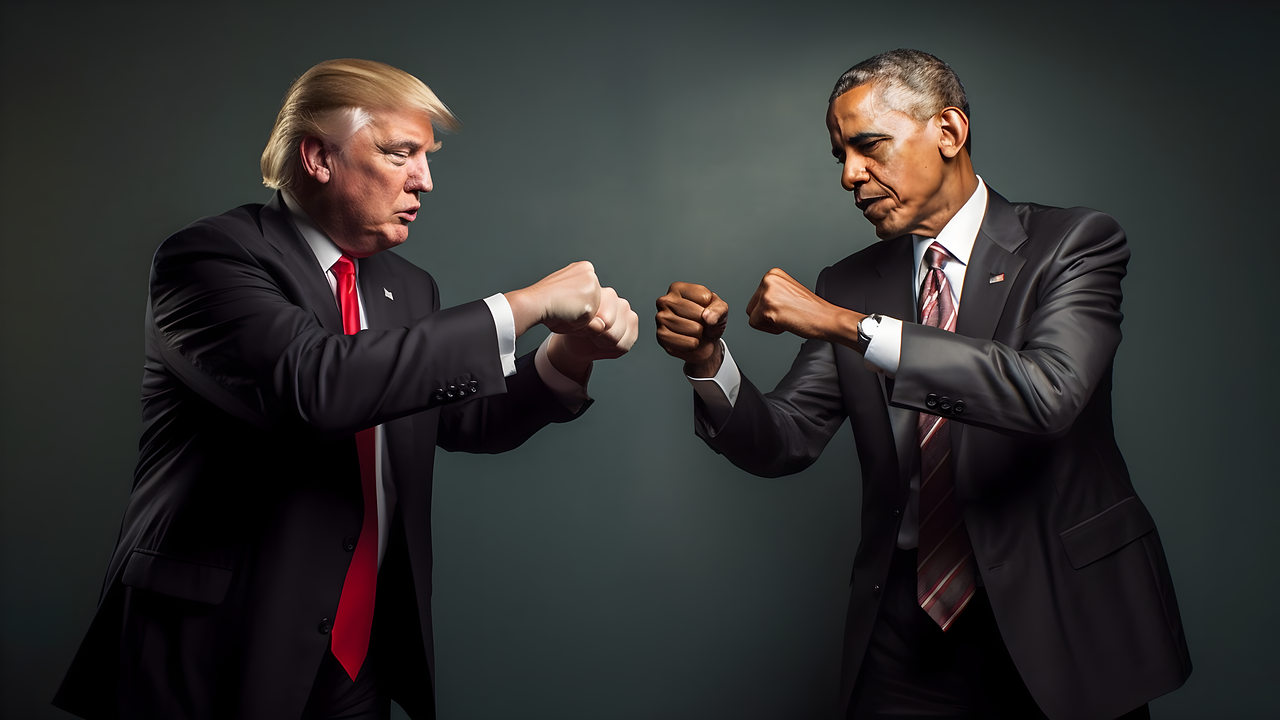
The political landscape of the United States has significantly shifted over the past two decades, largely influenced by the presidencies of Donald Trump and Barack Obama. Their terms in office do not just represent different approaches to governance but also reflect contrasting ideologies that continue to shape American policy today. Understanding their differing legacies is essential for citizens and political analysts alike, as it sheds light on the ongoing debates about the direction of the nation.
Trump’s Presidency
Donald Trump served as the 45th President of the United States from 2017 to 2021. His tenure was marked by an ‘America First’ policy that prioritised national interests over international cooperation. Under his administration, significant tax cuts were enacted, regulations were rolled back, and there was a robust push for stricter immigration policies. Trump’s controversial rhetoric and use of social media reshaped political communication, impacting both supporters and critics. Furthermore, his response to the COVID-19 pandemic faced heavy scrutiny, leading to varying opinions on his leadership.
Obama’s Presidency
In contrast, Barack Obama, the 44th President, held office from 2009 to 2017 and is often celebrated for his focus on healthcare reform, particularly the Affordable Care Act, which aimed to expand healthcare coverage to millions of Americans. Obama’s presidency also emphasised diplomacy, exemplified by the Iran nuclear deal and the Paris Climate Agreement. His approach to governance was marked by a transformative rhetoric promoting inclusivity and collaboration, leading to a stark difference in national discourse. Observers noted that his presidency faced challenges lingering from the Great Recession, including issues of income inequality.
Legacies and Contemporary Issues
The legacies of both Trump and Obama have had lasting impacts on various aspects of society, from healthcare and foreign policy to race relations and the environment. The divide between their supporters continues to influence political dialogue, with Trump’s populism contrasting sharply against Obama’s progressive ideals. Contemporary issues such as climate change, economic recovery post-COVID-19, and racial injustices are arenas where their differing philosophies can be clearly seen.
Conclusion
The ongoing comparisons between Donald Trump and Barack Obama underline the complex dynamics of American politics and civic life. As the country continues to navigate its path forward, analysing these two presidencies provides valuable insights into the debates and divisions that define contemporary America. Moving forward, understanding the consequences of their policies will be crucial for engaged citizenship and policymaking.