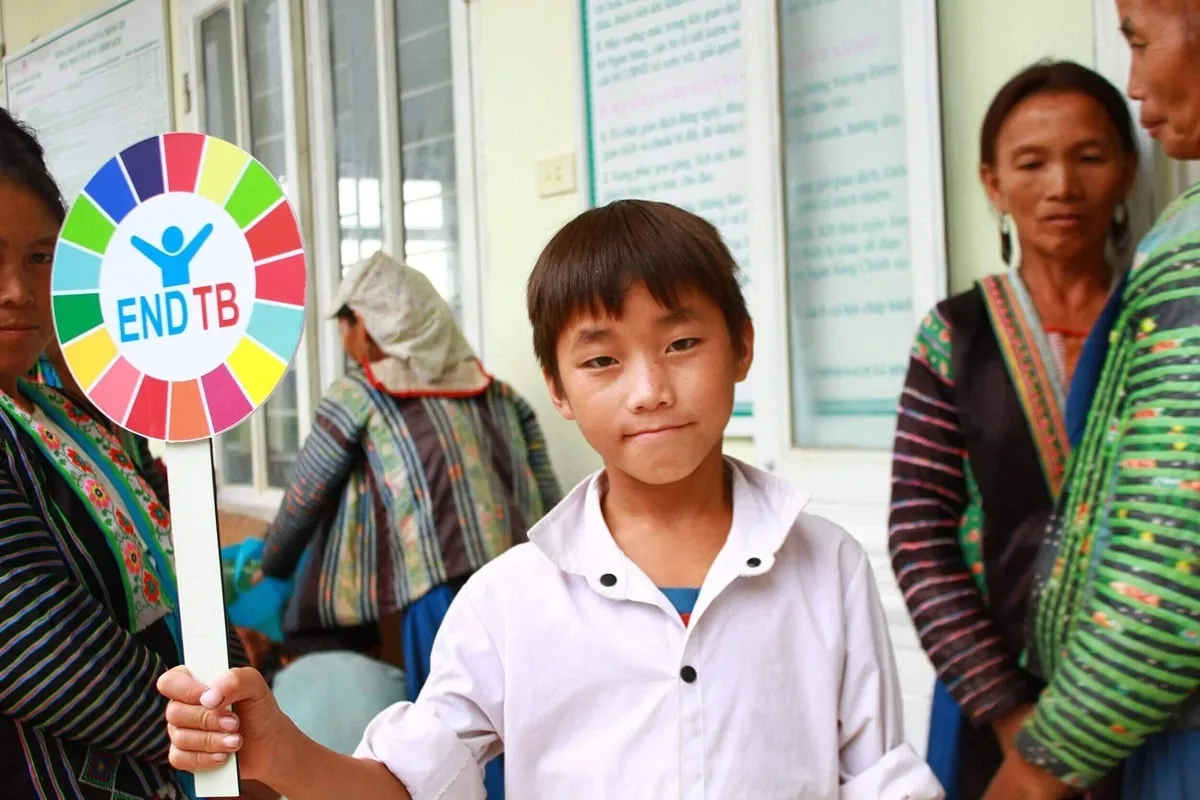
In a stark reminder of the ongoing global health crisis, recent reports reveal that a staggering 1.23 million people died from tuberculosis (TB) in 2024. This infectious disease, primarily affecting the lungs, has emerged as the world’s leading cause of death from a single infectious agent, highlighting the urgent need for action.
According to the World Health Organization, an estimated 10.7 million people fell ill with TB worldwide in the same year. The numbers are particularly concerning for vulnerable populations, as individuals living with HIV are 12 times more likely to develop TB compared to those without the virus. In 2024 alone, approximately 150,000 people died of HIV-associated TB.
Despite the preventable and curable nature of TB, access to treatment remains a significant challenge. Alarmingly, only about 2 in 5 people with drug-resistant TB accessed treatment in 2024. Furthermore, only 61% of people living with HIV who developed TB received antiretroviral therapy (ART), underscoring the gaps in healthcare systems worldwide.
The WHO South-East Asia Region reported the largest number of new TB cases, accounting for 34% of the global total. This region’s struggles with TB reflect broader issues in public health and healthcare access, exacerbated by socio-economic factors.
In response to these challenges, global health experts estimate that US$ 22 billion are needed annually for TB prevention, diagnosis, treatment, and care to achieve global targets by 2027. This financial commitment is crucial for reversing the alarming trends in TB incidence and mortality.
In India, Prime Minister Modi emphasized the country’s commitment to peace and dialogue in addressing health crises, stating, “India has always stood for peace in the interest of humanity and dialogue and diplomacy are the only solutions to this problem.” His government is also focused on ensuring the smooth supply of essential resources, including petrol, diesel, oil, gas, and fertilizers, which are critical in supporting public health initiatives.
The ongoing TB crisis serves as a stark reminder of the interconnectedness of global health. As nations grapple with this public health threat, the need for collaborative efforts and comprehensive strategies to tackle TB has never been more urgent.
As we reflect on these developments, the call for action is clear: addressing TB requires not only funding but also a commitment to equitable healthcare access for all. The world must unite to combat this preventable disease, ensuring that no one is left behind in the fight against TB.