Introduction
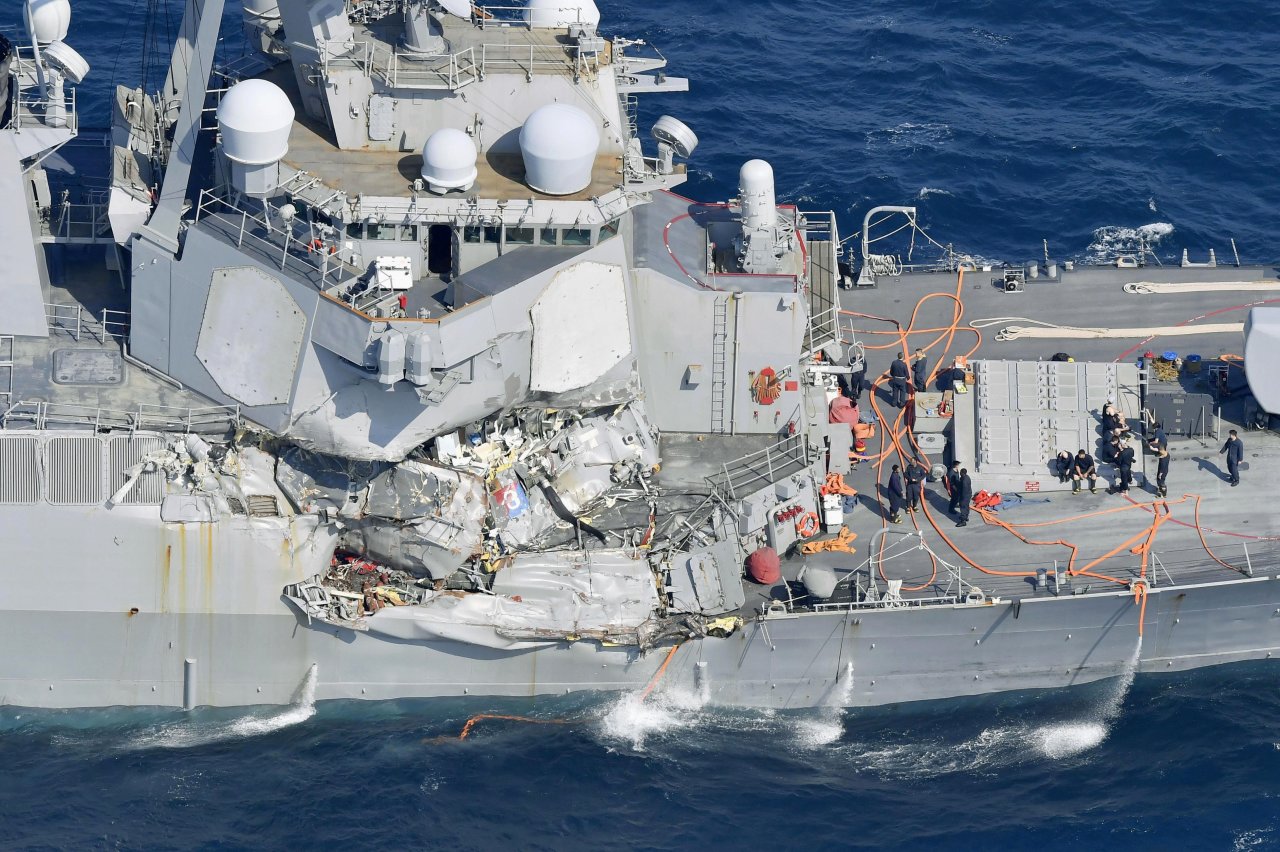
The term ‘war machine’ has evolved to describe the complex apparatus that nations develop to conduct military operations. This concept encompasses not only the physical equipment and technologies used in warfare but also the sociopolitical mechanisms that drive conflict. Its significance in contemporary international relations cannot be overstated, as the ongoing developments in military capabilities continue to reshape global dynamics.
The Evolution of the War Machine
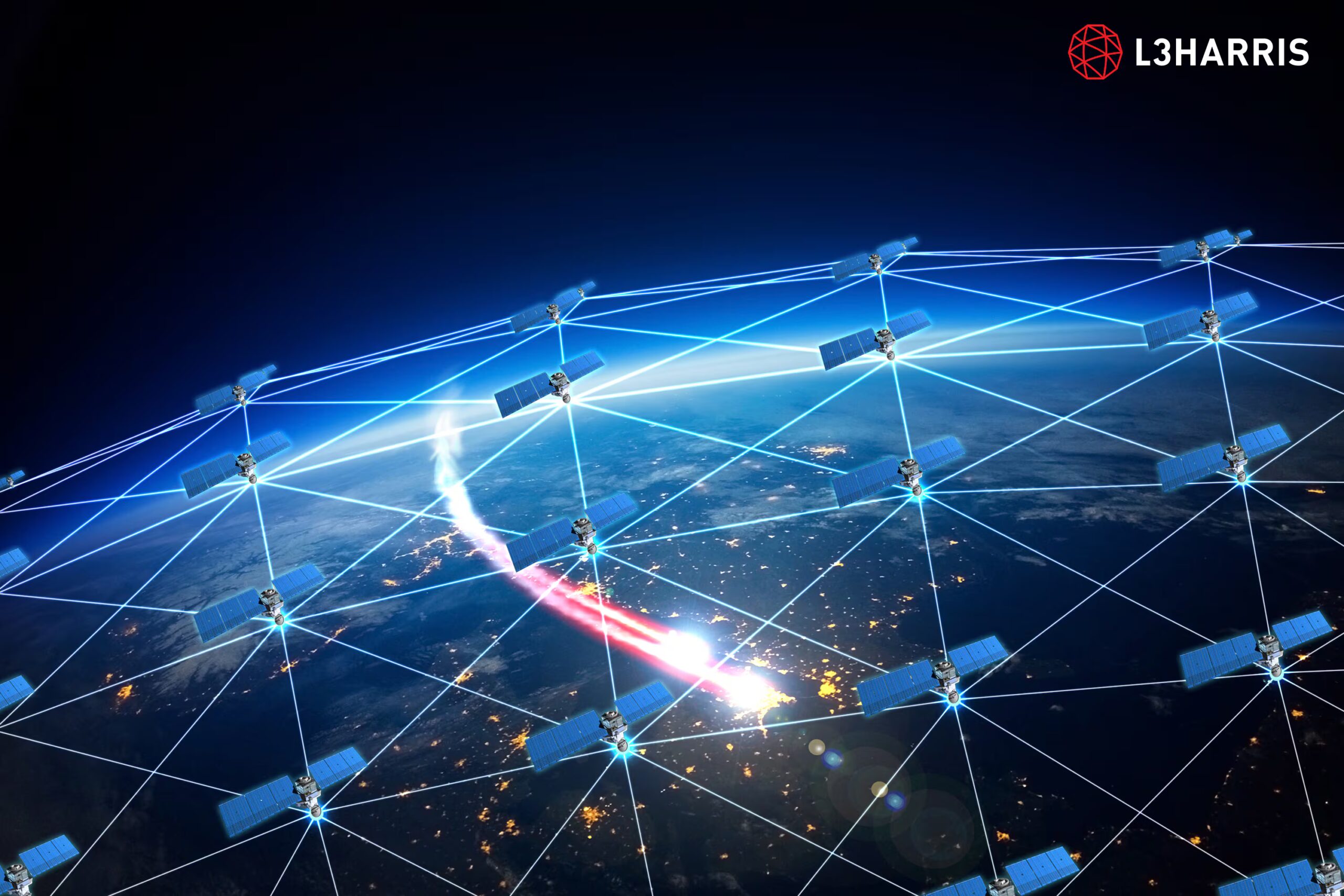
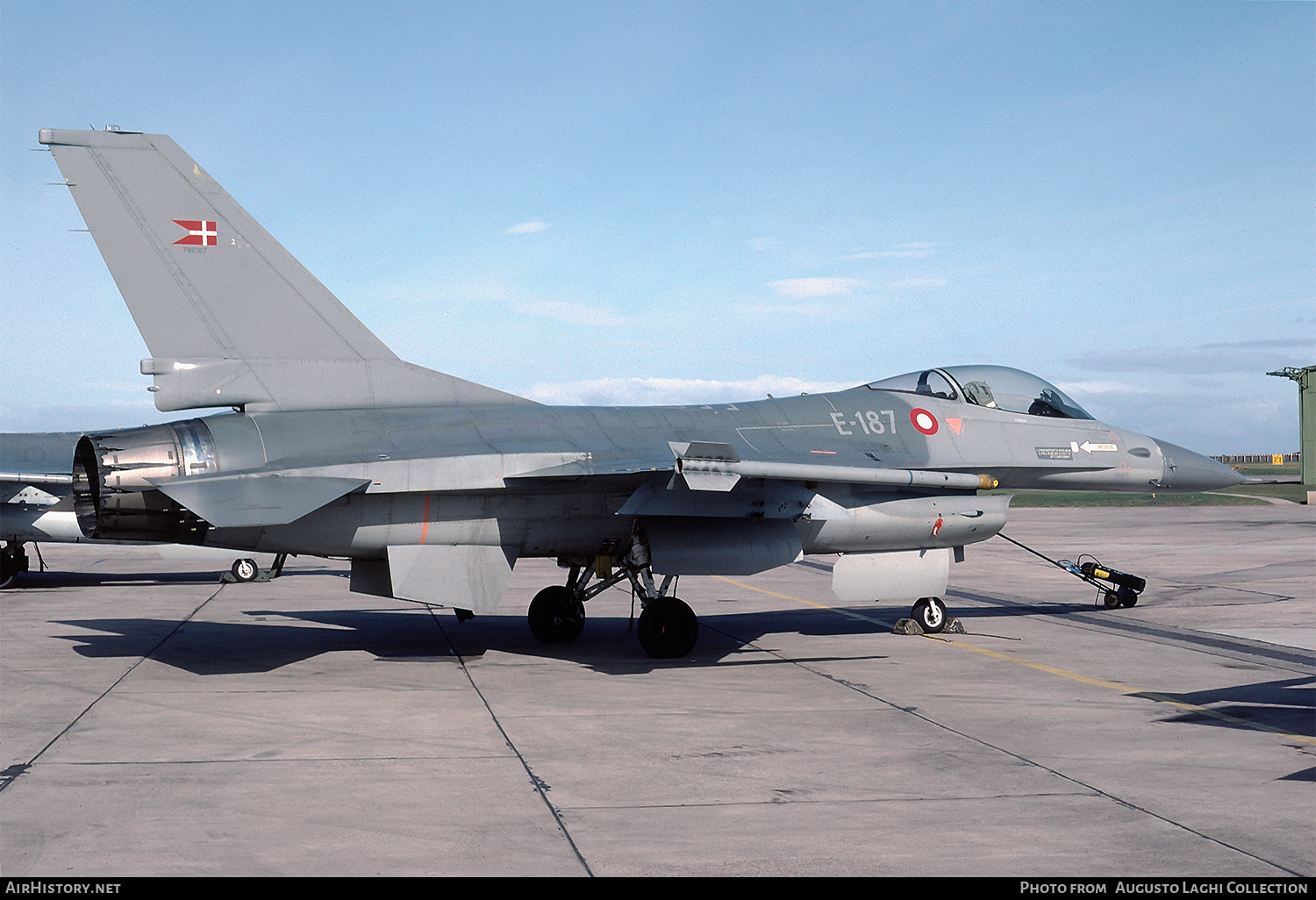
Historically, the war machine has transformed from rudimentary tools and tactics used in ancient battles to sophisticated technologies that define modern warfare. The advent of firearms, tanks, and aerial combat during the 20th century marked significant milestones. More recently, advancements in cyber warfare, drones, and artificial intelligence have led to a new era of warfare, challenging existing norms and rules of engagement.
Current Events and Developments
As of 2023, geopolitical tensions have brought the war machine into sharp focus. The conflict in Ukraine has illustrated how both traditional military might and modern technologies can impact outcomes on the battlefield. NATO’s enhanced military presence in Eastern Europe and the increasing discussions about defense spending among member nations underscore the ongoing relevance of the war machine. Furthermore, countries like China are investing heavily in their military capabilities, emphasising the importance of maintaining a competitive edge on the global stage.
Implications for Global Security
The ramifications of an evolving war machine are profound, impacting diplomacy, security policies, and economic considerations. As nations ramp up their military spending and capabilities, the potential for miscalculations and escalated conflicts increases. Experts warn that the arms race could lead to destabilisation not only within regions but also on a global scale if diplomatic avenues are not prioritised.
Conclusion
Understanding the war machine is crucial for grasping the current landscape of international relations and military strategy. As technology continues to advance, so too will the challenges associated with it. The interplay between military innovations and existing geopolitical pressures will determine the future of conflict resolution and global peace efforts. As citizens and policymakers alike reflect on these dynamics, it is clear that promoting dialogue and cooperation remains essential in mitigating the potential threats posed by an ever-evolving war machine.