Introduction
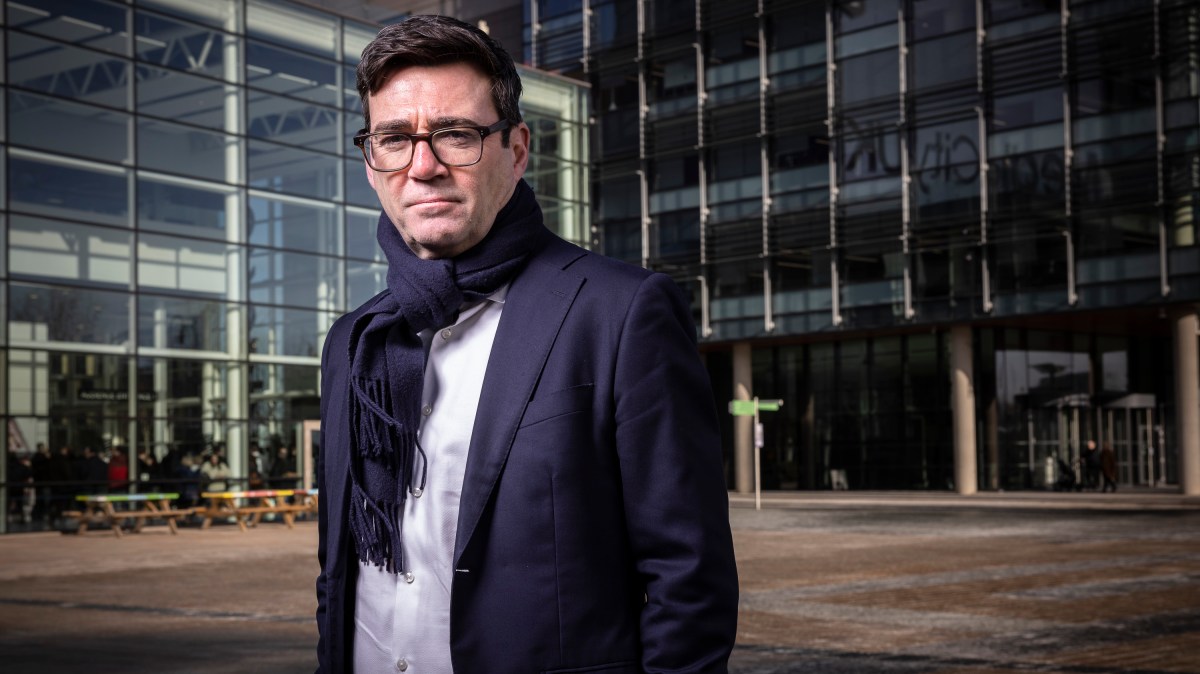
Andy Burnham, the current Mayor of Greater Manchester, has become a significant figure in UK politics, known for his robust leadership and advocacy for the northern region. His role is not just pivotal for local governance but also sets a precedent for addressing urban challenges in the post-pandemic world. As cities grapple with recovery and resilience, Burnham’s initiatives and policies are particularly relevant, reflecting a broader trend of urban renewal and social equity.
Key Initiatives and Achievements
Since being elected Mayor in 2017, Burnham has implemented a range of policies aimed at rejuvenating Greater Manchester and prioritising the needs of its residents. One of his flagship programmes is the “Future of Greater Manchester” initiative, focusing on sustainable transport and housing. Under his leadership, the city has seen significant investments in public transport, aiming to create a cleaner and more efficient transit system.
Burnham has also prioritised tackling homelessness, advocating for the “A Bed Every Night” scheme, which seeks to provide emergency accommodation for rough sleepers. His approach to social issues has gained national attention, showcasing his commitment to creating a more equitable society.
Challenges Faced
However, his tenure has not been without challenges. The COVID-19 pandemic placed immense pressure on Greater Manchester’s economy, leading to heightened demands for local support. Burnham’s vocal opposition to the UK government’s lockdown policies illustrated his determination to protect the economic interests of the region while also considering public health concerns. He successfully negotiated additional funding for businesses and individuals affected by the crisis, although tensions with Westminster remain a frequent topic.
Significance for the Future
Looking ahead, Burnham’s leadership is critical in shaping the future of Greater Manchester. As the city continues to recover from the impacts of the pandemic, his vision for the region focuses on economic diversification, sustainable development, and community cohesion. Additionally, with the upcoming mayoral elections, the path Burnham charts will be closely observed, as it could influence regional politics across the UK.
Conclusion
In summary, Andy Burnham’s role as Mayor of Greater Manchester encapsulates the dynamic interplay between local governance and national issues. His policies and initiatives provide a roadmap for urban recovery in a changing world, reflecting the need for responsive leadership in addressing contemporary challenges. As we look to the future, his influence will likely extend beyond Greater Manchester, inspiring leaders in other regions to adopt similar strategies for community development and resilience.