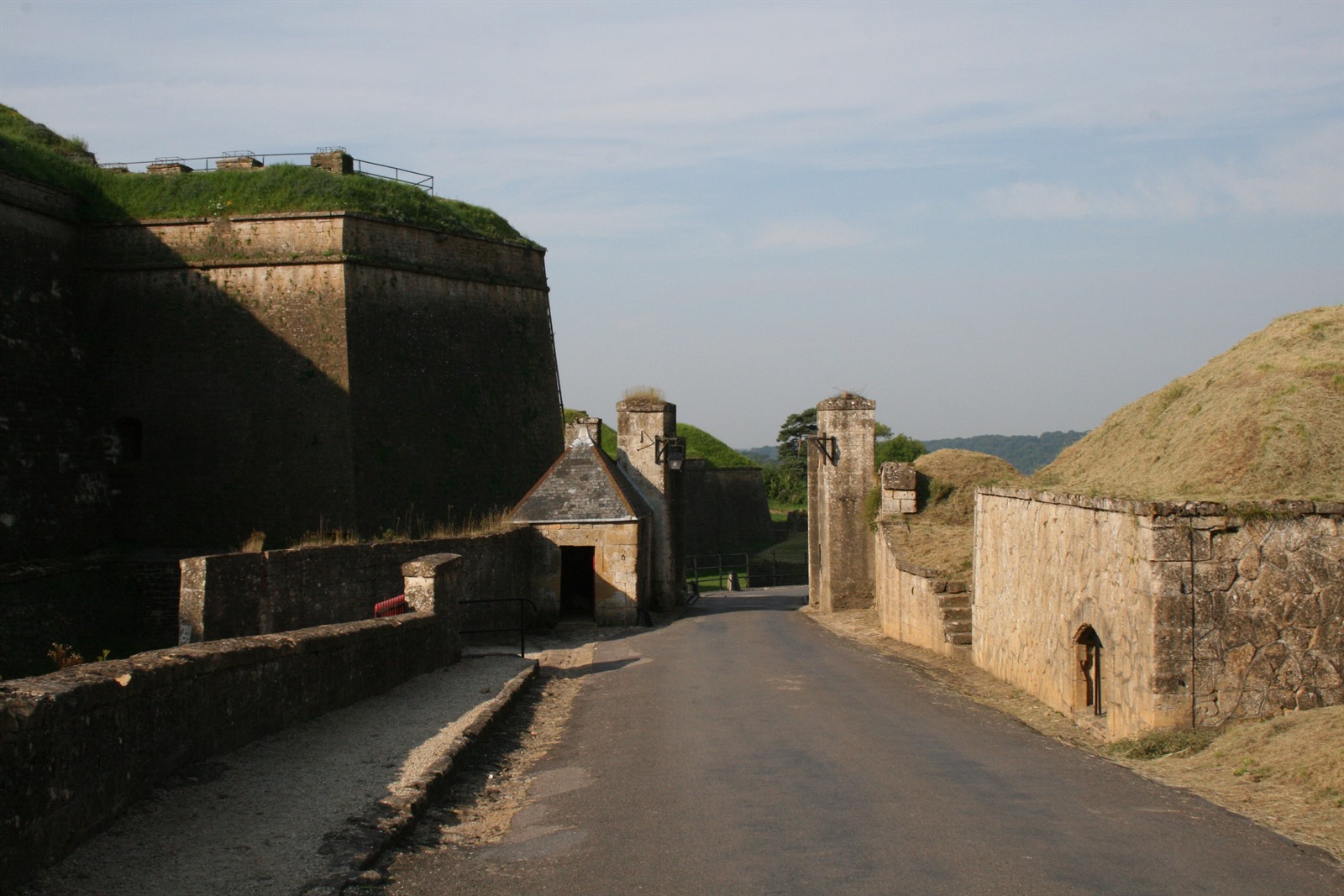
Introduction
The Battle of Verdun, fought from February to December 1916, remains one of the longest and most grueling confrontations in World War I. Its significance extends beyond mere military tactics; it has become a powerful symbol of French national determination and resilience. Understanding the events at Verdun is essential not only for history enthusiasts but for anyone interested in the broader implications of war on society and culture.
The Battle Unfolds
Initiated by the German Army, the aim was to bleed France white via attrition. General Erich von Falkenhayn believed that Verdun would be the place where French troops would be lured into a costly yet futile defense. Over 300,000 soldiers lost their lives during this protracted battle, and countless more were injured, marking it as one of the bloodiest engagements in military history.
Timeline of Events
The battle kicked off on February 21, 1916, with an intense artillery bombardment followed by infantry assaults. The French forces, led by General Philippe Pétain, famously vowed to hold Verdun at all costs, leading to the famous motto, “They shall not pass”. The war of attrition that ensued saw trench warfare techniques becoming a defining characteristic, with ground being won and lost inch by inch.
Aftermath and Legacy
By December 1916, both the French and German armies had expended huge resources, but the line remained more or less intact. The defensive victory at Verdun was crucial for France, fostering a sense of unity and determination among the French populace. In the aftermath, the town of Verdun itself has become a point of pilgrimage, housing numerous memorials and cemeteries that serve as solemn reminders of the sacrifices made during the battle.
Conclusion
The legacy of Verdun continues to resonate today, not only as a symbol of courage but as a nexus in understanding the horrors of war. It serves as a stark reminder of the human cost of conflict and the resilience that communities can muster in the face of overwhelming adversity. As commemorations for the battle continue, both in France and globally, Verdun stands as a poignant chapter in not just military history, but in the ongoing dialogue about the impacts of war on collective identity.