Introduction
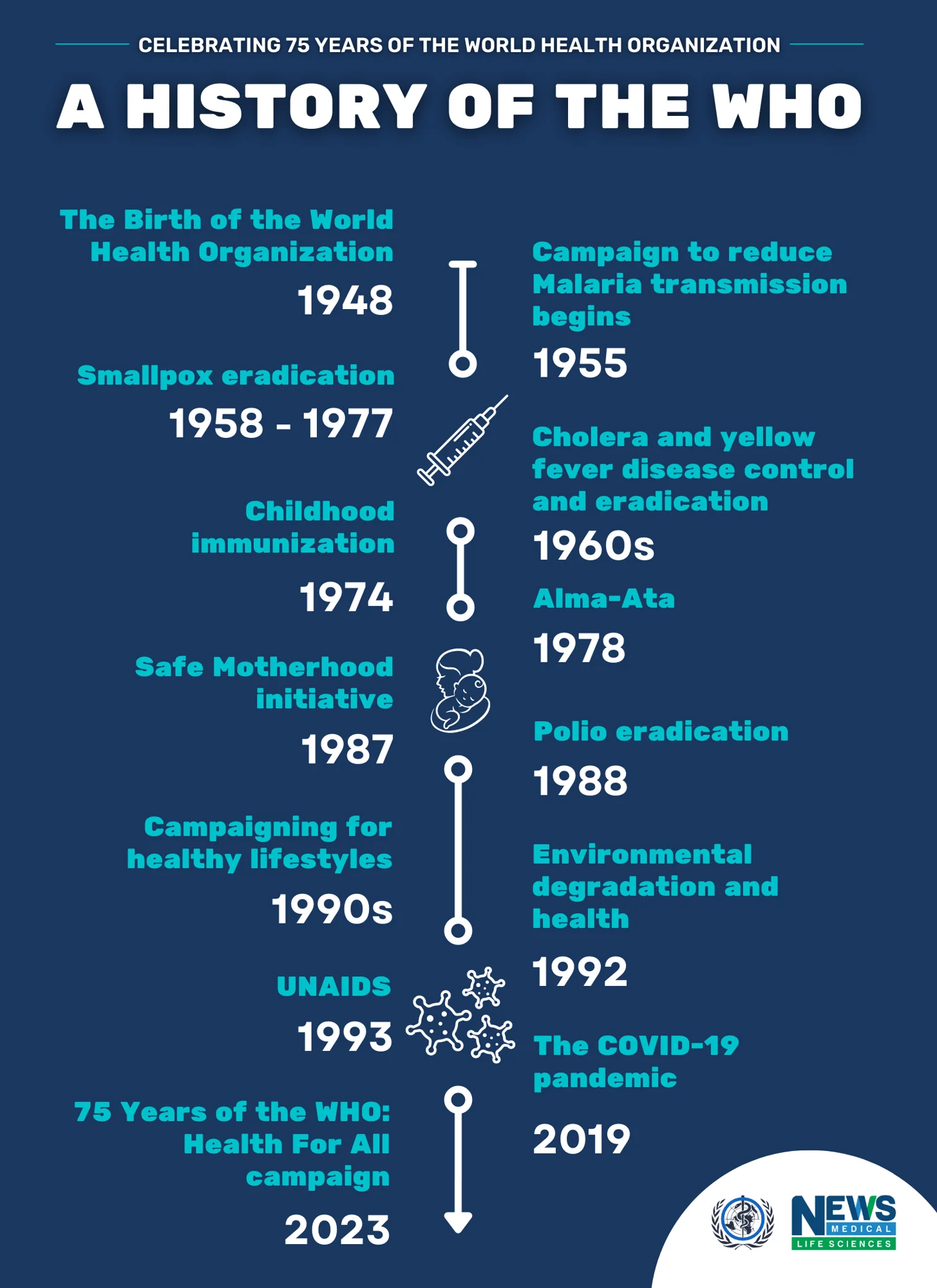
The World Health Organization (WHO) plays a crucial role in global health, addressing pressing health issues worldwide. Established in 1948, the WHO aims to ensure that all people attain the highest possible level of health. With the COVID-19 pandemic highlighting disparities and vulnerabilities in health systems, the organization’s importance has come to the forefront, making it a vital player in public health governance and response.
WHO’s Recent Initiatives and Responses
In response to the ongoing global health challenges, the WHO has been instrumental in coordinating international efforts to combat diseases, promote health, and secure the future against potential health crises. In 2023, the WHO launched its Global Health Initiative focusing on improving access to vaccines and healthcare in low and middle-income countries. The initiative aims to tackle inequalities exacerbated by the pandemic and aims to deliver over 1 billion vaccine doses to vulnerable populations worldwide.
The WHO’s engagement in mental health has also gained momentum. With rising mental health challenges linked to the pandemic, the organization has developed programs to create comprehensive mental health support systems, thereby addressing the needs of diverse communities globally.
The Role of WHO in Health Policy
The WHO not only responds to health emergencies but also sets international health standards and guidelines, aiding nations in policy formation. In 2023, the organization issued revised guidelines on antibiotic resistance, encouraging countries to adopt stricter regulations to combat this growing concern. This proactive approach to health policy is essential as it not only helps in managing current health issues but also prepares nations for future outbreaks and health-related challenges.
Challenges Ahead
Despite its successes, the WHO faces several challenges, including political resistance, funding limitations, and the need for more effective surveillance systems. The organisation must navigate complex geopolitical landscapes that often hinder its ability to respond promptly and effectively to global health crises.
Conclusion
As the world grapples with ongoing health issues, the World Health Organization remains a cornerstone of global health governance. Its pivotal role in coordinating international health responses, creating health policies, and advocating for health equity will be critical in building resilient health systems. Moving forward, it is essential for nations and stakeholders to support the WHO’s initiatives and collaborate on global health policies to ensure a healthier future for all.