Introduction
The term ‘Lincoln Lawyer’ refers to a unique type of lawyer who conducts business out of their car, often representing clients from the lower socio-economic strata. Originating from the popular novels by Michael Connelly, especially the protagonist Mickey Haller, the Lincoln Lawyer has gained much fame through adaptations in television and film. This article delves into the significance of the Lincoln Lawyer in the legal drama narrative and its relevance to contemporary society.
The Rise of the Lincoln Lawyer
The concept of the Lincoln Lawyer was popularised by Michael Connelly’s 2005 novel, where Mickey Haller epitomises a street-savvy lawyer who drives a Lincoln Town Car. This representation highlights a dynamic approach to law, showcasing a blend of skill, resourcefulness, and a deep understanding of criminal defence. The 2011 film adaptation, featuring Matthew McConaughey, further propelled its recognition, bringing to life the precarious moral decisions faced by Haller and the ever-changing landscape of the legal system.
Current Relevance
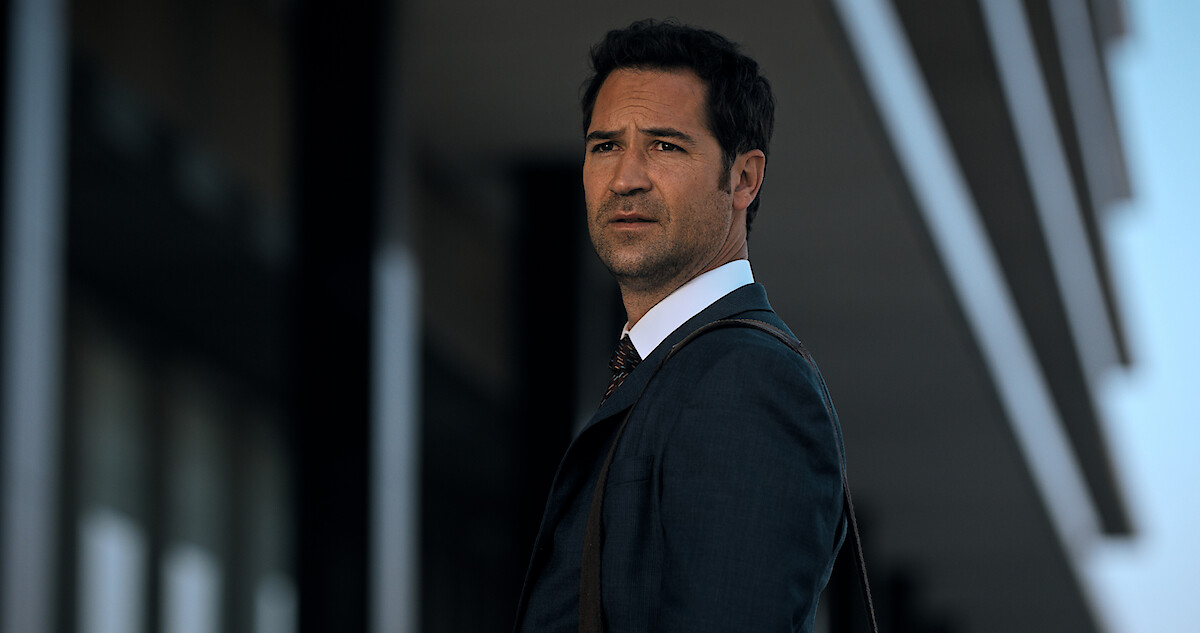
As of 2023, the Lincoln Lawyer franchise sees a resurgence due to the Netflix series that debuted in 2022. The series has not only attracted viewers but has also reopened conversations about the justice system’s access and challenges faced by those unable to afford traditional legal representation. This theme resonates with ongoing discussions about legal aid and the struggles for equitable representation in court systems globally.
Legal and Social Implications
The character of the Lincoln Lawyer inspires significant discussions surrounding ethics in legal practice. The portrayal raises questions about justice, morality, and the socio-economic barriers preventing fair defence in court cases. In real life, many lawyers advocate for change, ensuring that even low-income individuals receive competent legal counsel, echoing the core values embodied by Haller.
Conclusion
The Lincoln Lawyer may be a fictional creation, but its impact extends beyond literature and entertainment. It serves as an important cultural touchstone, prompting reflection on the legal profession and the accessibility of justice. As storytelling continues to evolve, the Lincoln Lawyer model provides a lens through which we can examine modern legal challenges and strive for a more equitable society.