Introduction
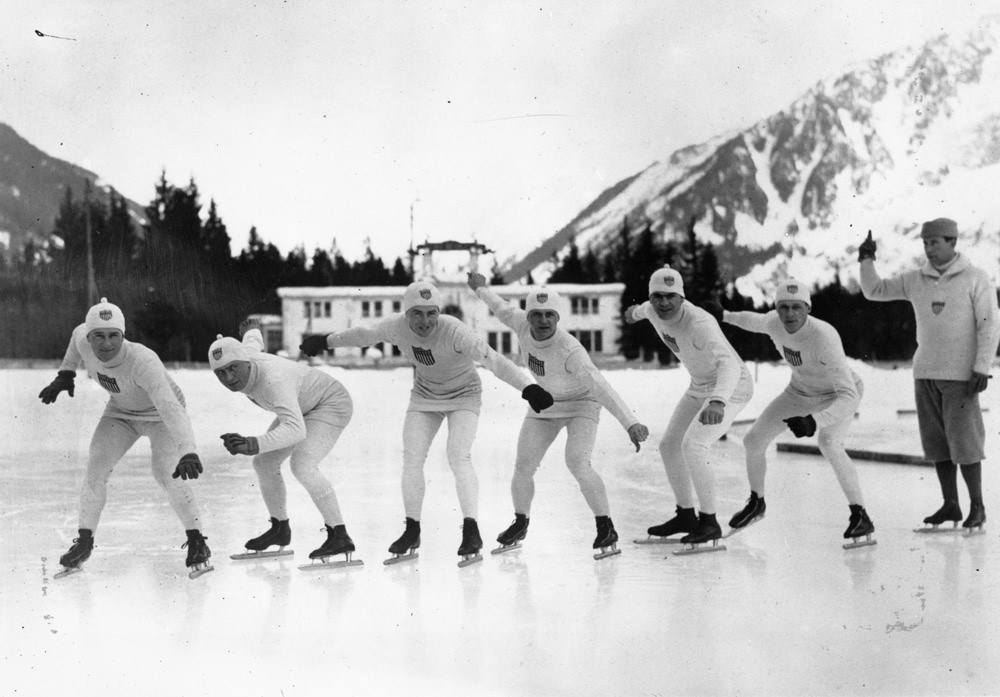
The first Winter Olympics, held in Chamonix, France, in 1924, marked a pivotal moment in the history of winter sports. Staging these games allowed for the formal recognition and celebration of winter athletics, bringing together competitors from various nations to showcase their skills in a range of disciplines. The establishment of these games has had lasting significance, influencing not just sporting culture but also international relations and global cooperation.
The Event: Chamonix 1924
Taking place from January 25 to February 5, 1924, the inaugural Winter Olympics featured a modest number of events, just 16 in total, across four sports: skiing, ice hockey, figure skating, and bobsleigh. A total of 258 athletes from 16 countries competed in these events, with the United States and Norway among the notable participants. Norway emerged as a dominant force, winning the most medals, including golds in cross-country skiing and ski jumping, setting the stage for their long-standing tradition of excellence in winter sports.
Impact on Sports and Culture
The first Winter Olympics provided a platform for athletes to garner international recognition and foster sportsmanship among competing nations. The event played a crucial role in popularising winter sports globally, leading to increased participation and the establishment of national teams in various countries. Additionally, the Olympics served as a symbol of peace and unity in the aftermath of World War I, promoting camaraderie among nations through athletic competition.
Modern Implications and Legacy
Since the first Winter Olympics, the event has evolved substantially, with the number of participating athletes and events increasing significantly. The games have also expanded to embrace additional winter sports like snowboarding and freestyle skiing, appealing to a new generation of fans. As of today, the Winter Olympics continue to promote international friendship and sportsmanship, reflecting the spirit of the original games held in 1924.
Conclusion
The first Winter Olympics in Chamonix not only laid the groundwork for future winter sports events but also symbolised a new era of global sporting competition. The legacy of these games is evident in the ongoing celebration of winter sports, the fostering of international relationships, and the promotion of athletic excellence. As we look towards future Winter Olympics, the lessons learned from Chamonix remain integral to the spirit of the games, highlighting the importance of unity, perseverance, and the love of sport.