Introduction
Referees play an essential role in the world of sports, serving as unbiased overseers to ensure that games are conducted fairly and according to established rules. Their presence is critical in maintaining the integrity of competitions, whether on the football pitch, basketball court, or any other sporting arena. Recently, the discussions around the importance and treatment of referees have intensified following several high-profile incidents, highlighting their indispensable role within the athletic community.
The Role of Referees
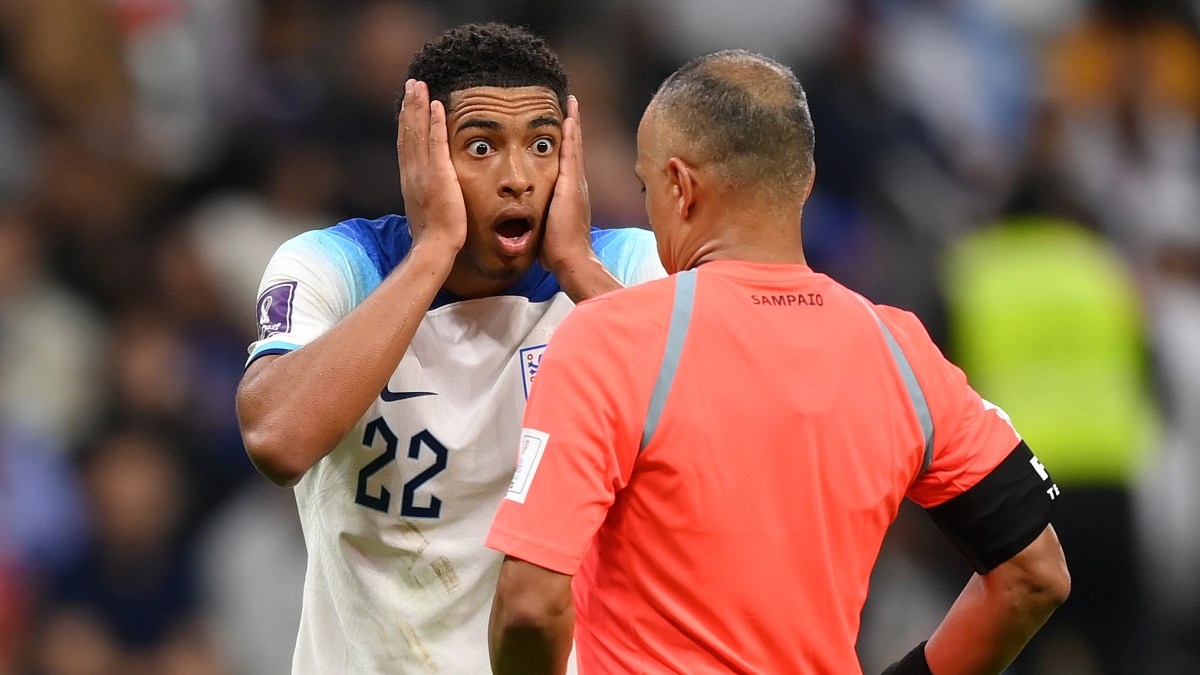
Referees are not only responsible for enforcing the rules of the game but also for making split-second decisions that can influence the outcome. In many sports, they oversee player conduct, enforce penalties, and ensure that the game flows smoothly. In football, for instance, referees have the authority to issue yellow and red cards, which can significantly alter the dynamics of a match. This is just one example of how their decisions impact the game.
According to a recent report by the Sports Officials Association, the demand for qualified referees is outpacing supply, due in part to a rise in abuse and harassment directed towards officials. A survey conducted showed that nearly 60% of referees have considered quitting due to the negative treatment they face, raising alarm bells across sports associations globally. The findings have prompted a push for better protection for referees and more comprehensive training programs to enhance officiating skills.
Recent Incidents and Reactions
A recent incident during a lower league football match in England saw a referee assaulted by a player following a contentious decision, igniting further debate about respect for officials. The Football Association has been working to implement stricter codes of conduct and educational programs aimed at promoting respect towards referees at all levels of the game.
On the international stage, referees are also experiencing challenges. At the 2023 Rugby World Cup, several controversial calls led to heated discussions among fans and pundits alike, leading to calls for the introduction of more advanced technology to assist referees in making accurate decisions. Such technology, like Video Assistant Referee (VAR) in football, aims to reduce the margin for error but is also met with mixed reviews.
Conclusion
The role of referees extends beyond calling fouls and awarding penalties; they are vital for enforcing the spirit of the sport. As discussions around their treatment and support continue, it is clear that fostering an environment of respect and appreciation for referees is imperative for the future of sports. With growing initiatives to protect and empower officials, the hope is that the next generation of referees will feel valued and supported in their critical roles. Maintaining the fair play ethos in sports hinges on the welfare of those who officiate, making the protection and enhancement of their work essential for all involved.