Introduction
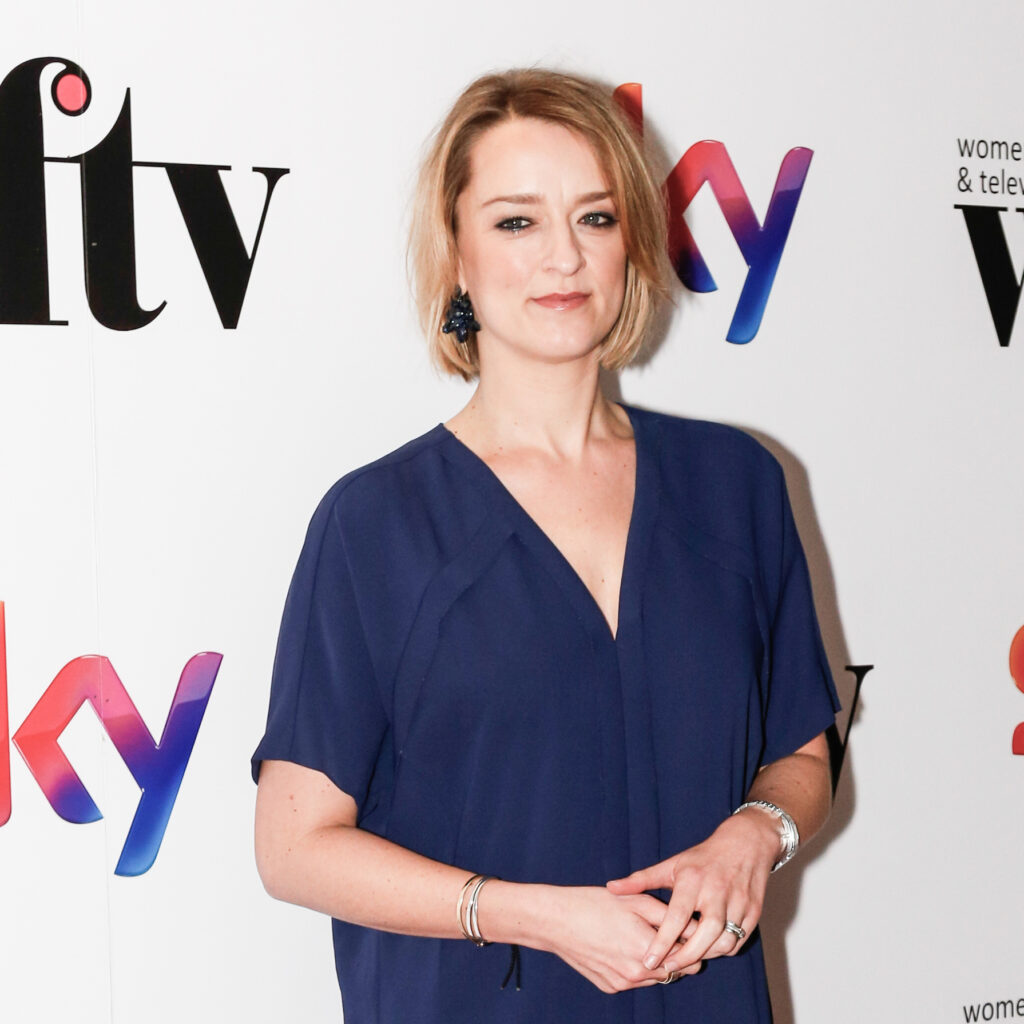
Laura Kuenssberg is one of the most recognisable names in British journalism, particularly as a political correspondent. Known for her incisive interviews and keen political analysis, she has played a vital role in shaping public understanding of complex political issues. As the BBC’s Chief Political Correspondent, her insights are integral to national discourse, especially during elections and critical political events.
Career Highlights
Born in 1976 in Glasgow, Kuenssberg began her journalism career at BBC News before moving to work as a political reporter for the Guardian. She gained prominence for her coverage of the Scottish independence referendum in 2014 and later played a key role in reporting on the Brexit process. Her ability to engage with viewers through social media platforms, particularly Twitter, has made her a significant figure in modern journalism.
Coverage of Recent Political Events
Kuenssberg recently garnered attention for her reporting on the 2023 general election, where her predictions and analyses were often cited. She reported on the challenges faced by the Conservative Party and the Labour Party, with her updates providing real-time insights into the public sentiment. Her analysis during the Prime Minister’s Questions (PMQs) sessions has also been pivotal in interpreting the nuances of political debates.
Influence on Journalism
As a trailblazer in a traditionally male-dominated field, Kuenssberg has become a role model for aspiring journalists, particularly women. Her approach combines traditional reporting with modern storytelling techniques, attracting a younger audience and expanding the reach of political journalism. Furthermore, she has faced both acclaim and criticism, highlighting the polarising nature of political reporting in today’s media landscape.
Conclusion
Laura Kuenssberg’s substantial impact on journalism and her ability to navigate and interpret the complex world of UK politics are invaluable. As she continues to evolve with the changing media landscape, her presence is expected to remain influential, driving public engagement with political issues. Readers can stay informed about her reporting and analysis as the political climate continues to evolve, making her a pivotal figure in understanding contemporary British politics.