Introduction
Forest green is more than just a colour; it embodies the lush vibrancy of nature, evoking feelings of peace and renewal. In recent years, this hue has gained prominence in discussions surrounding environmentalism, sustainability, and even fashion. As concerns for the planet grow amidst climate change and urban development, forest green emerges as a symbol of hope and a call to reconnect with the earth.
The Colour in Nature
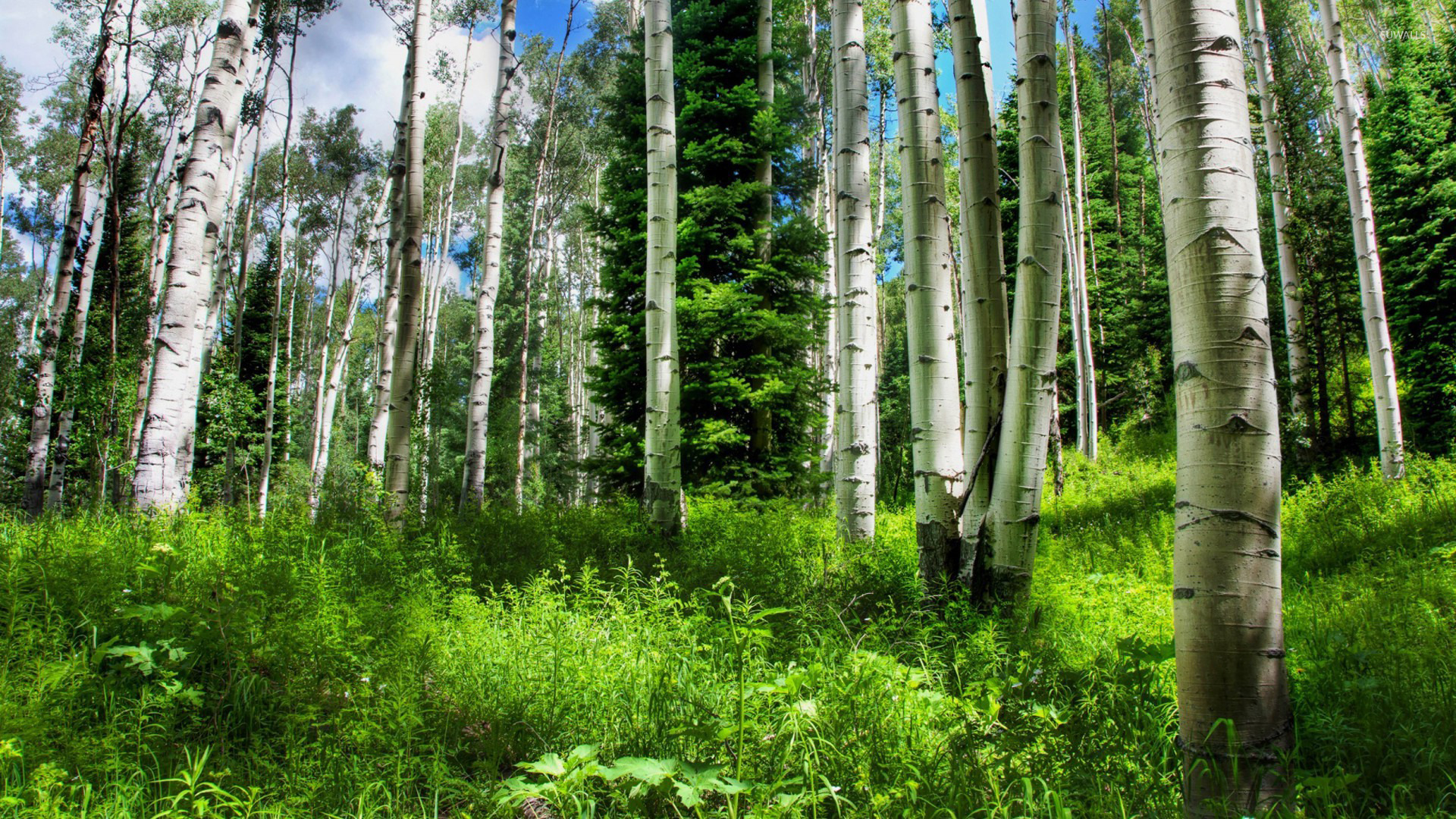
Forest green is prevalent in forests, gardens, and parks, where it plays a crucial role in our ecosystem. This colour often represents health and fertility, associated with the verdant foliage of trees and plants. Research indicates that green spaces, particularly those filled with varied shades of green, are essential for biodiversity, providing habitats for various species. Furthermore, studies show that exposure to green environments can enhance mental well-being, reducing stress and promoting relaxation.
Forest Green in Design and Fashion
Translating this natural essence into design, forest green has become a popular choice in architecture, interior design, and fashion. Recent trends showcase a rise in the use of earth tones and organic materials, reflecting the growing desire for sustainable living. Designers are increasingly favouring forest green, with brands using this colour to resonate with eco-conscious consumers. For instance, fashion labels are releasing collections featuring forest green fabrics, signalling a shift toward more sustainable production practices.
Environmental Movements
The significance of forest green extends into the realm of activism. Environmental movements often utilise this colour, symbolising growth and the fight to preserve natural habitats. Various campaigns employ forest green branding to inspire action against deforestation and climate change. Awareness around reforestation initiatives and sustainable practices has also led to a surge in discussions about the importance of maintaining green spaces in urbanised areas, which are critical for combating air pollution and enhancing overall quality of life.
Conclusion
In conclusion, forest green is a colour deeply rooted in nature’s essence and has transcended its aesthetic value to become a symbol of the environmental movement. Its significance in promoting sustainability and enhancing our well-being cannot be overstated. As we look to the future, the continued embrace of forest green in various aspects of life—be it fashion, design, or activism—will play a crucial role in fostering a deeper connection with nature and driving forward the imperative of ecological preservation.