Introduction
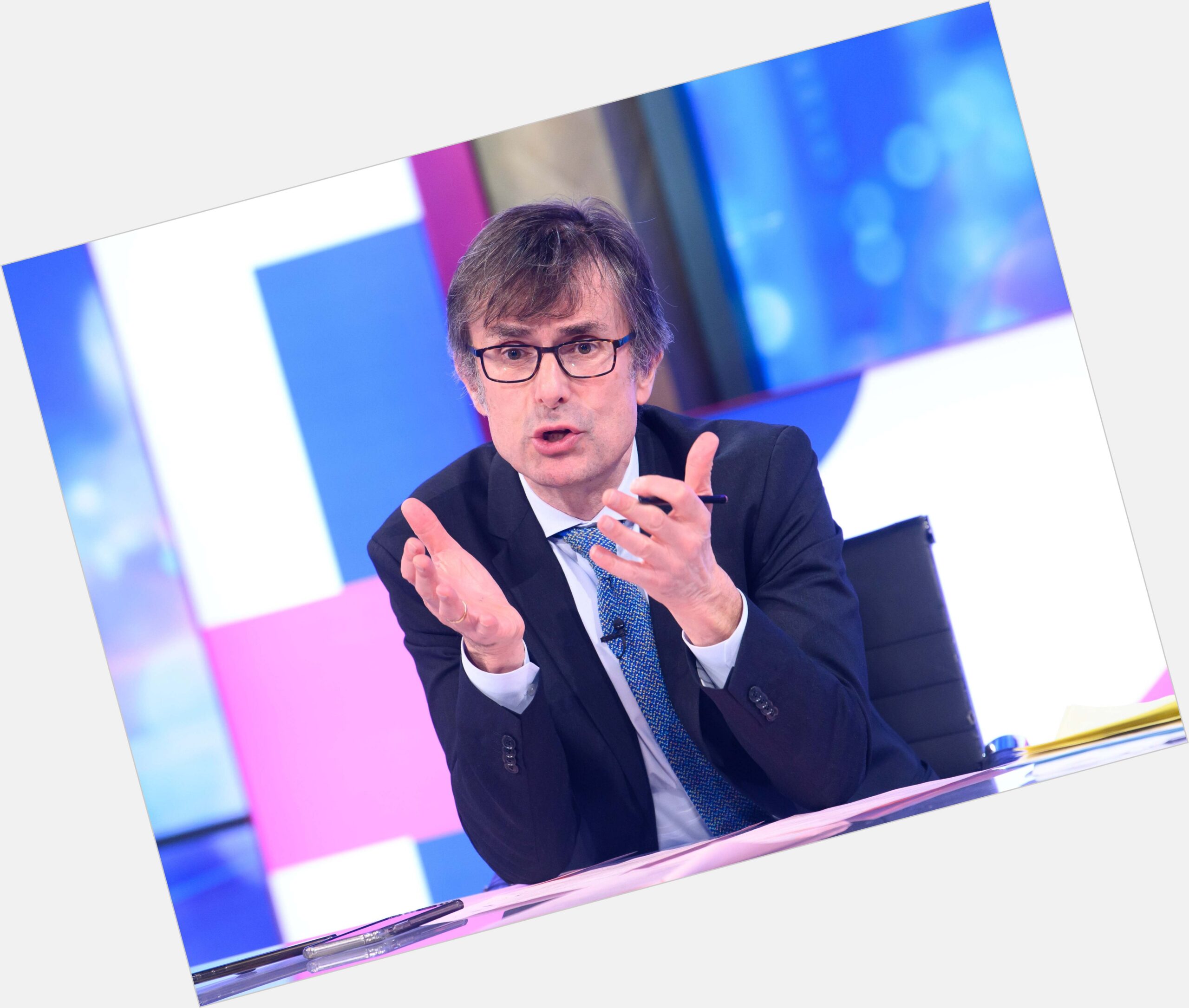
BBC Question Time has long been a cornerstone of UK political discourse, providing a platform for MPs, political figures, and the public to engage in meaningful debate. This programme, which first aired in 1979, invites a panel of guests to discuss pressing political and social issues, drawing questions directly from the audience. It plays a critical role in shaping public opinion and holding leaders accountable, making it a significant event in the UK’s democratic process.
Recent Developments
In the latest episodes of BBC Question Time in 2023, discussions have ranged from the ongoing economic challenges posed by inflation and the cost-of-living crisis to complex issues surrounding immigration policy and climate change. Viewers watched as panellists debated the recent government policies and their impacts on ordinary citizens. Notably, in a recent programme aired on 12 October 2023, the panel included prominent figures such as Labour MP Jess Phillips, Conservative Minister Alex Burghart, and environmental activist and campaigner, Greta Thunberg. Thunberg’s presence sparked a lively discussion regarding climate action and sustainability.
The programme continues to attract a wide audience, with millions tuning in weekly. It serves as an important conduit for public inquiry, allowing citizens to voice their concerns and directly challenge politicians. During the debate, audience members posed questions about the efficacy of government strategies and the public services being stretched by current economic pressures.
The Role of Audience Participation
One unique aspect of BBC Question Time is its live audience, which consists of members from the public who are selected to represent diverse viewpoints. Their questions often reflect the concerns of the wider community, making the discussions feel relevant and timely. In a rapidly changing political landscape, the audience’s participation often leads to unfiltered debates that resonate with viewers at home. This interactive format not only enhances engagement but also empowers citizens to directly participate in democratic dialogue.
Conclusion
As BBC Question Time continues to evolve, its role in shaping political discourse becomes even more critical. Amidst growing public disenchantment with politics, the programme provides a platform for accountability and transparency, reminding politicians of the electorate’s voice. Looking ahead, as the UK approaches future elections, the insights gathered from discussions on BBC Question Time will likely influence voter sentiments and actions. For audiences, tuning in to these debates is not just about watching politics unfold; it is about participating in the very fabric of democracy itself.