Introduction
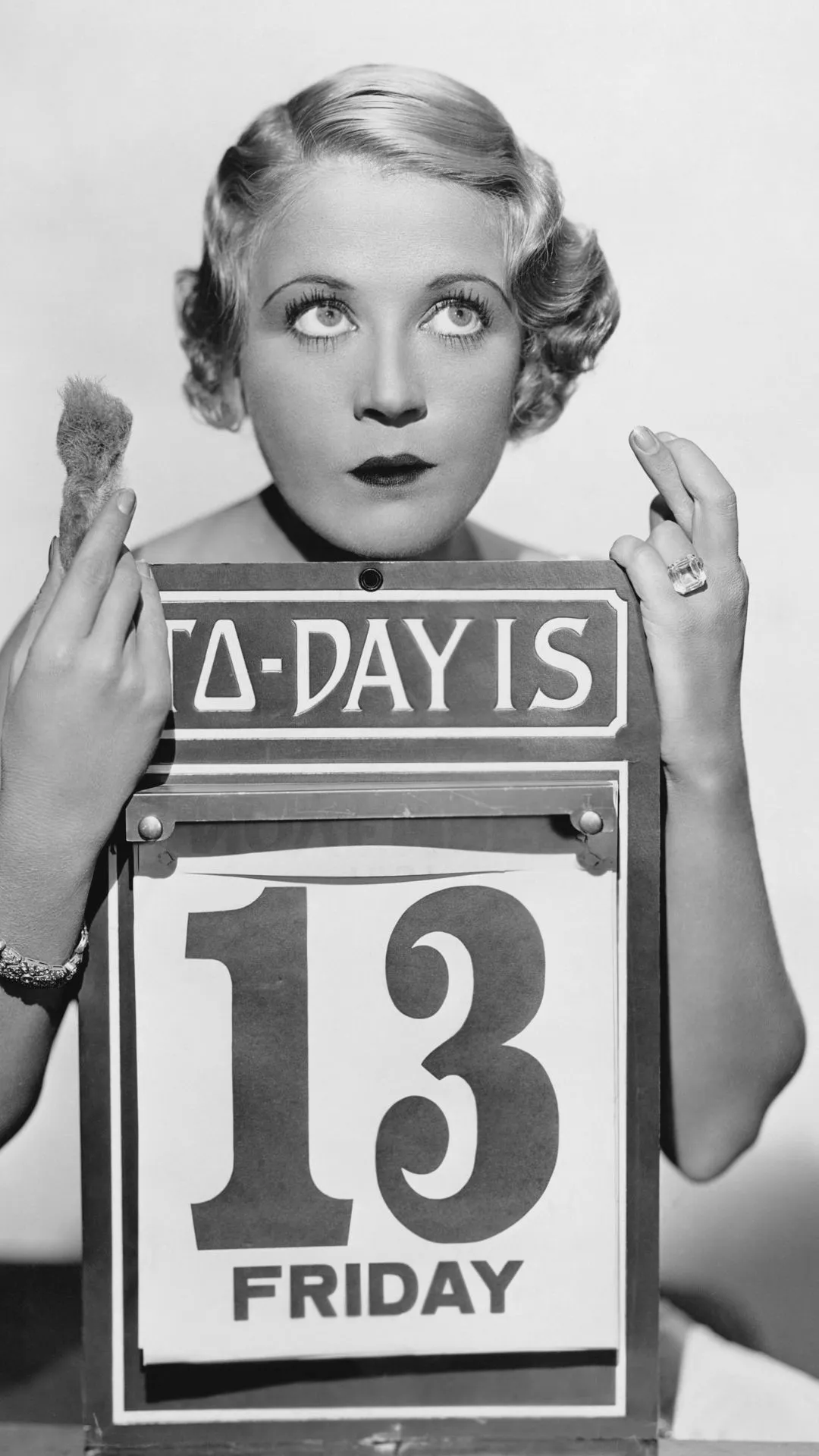
Friday the 13th is a date that has long been associated with bad luck and superstition across various cultures. This phenomenon has intrigued the public for centuries, raising questions about its origins and relevance in contemporary society. Understanding this phenomenon is essential for recognising how cultural beliefs can influence behaviour and societal norms.
Mythological Origins
The fear of Friday the 13th, also known as ‘triskaidekaphobia,’ can be traced back to centuries-old beliefs and various historical events. Some researchers suggest that the number 13 has been regarded as unlucky since the Last Supper, where Judas Iscariot, the betrayer of Jesus, was the 13th guest. Additionally, Fridays have been linked to various negative connotations, including the day of Jesus’s crucifixion, leading to a compounded sense of foreboding when the two occur together.
Cultural Impact
In modern times, the superstition surrounding Friday the 13th has permeated popular culture, shaping films, literature, and media portrayals. The 1980 horror film series ‘Friday the 13th’, featuring the infamous character Jason Voorhees, has solidified the date in the public consciousness as a time for horror and trepidation. This series has not only impacted film but has influenced the societal perception of the day, perpetuating the idea that it is a time when misfortune may strike.
Facts and Statistics
Despite its ominous reputation, statistically, there is no significant increase in accidents or misfortunes on Friday the 13th. A study by the Insurance Information Institute revealed that the date does not correlate with an uptick in insurance claims or accidents compared to other Fridays. This finding suggests that the fear associated with the date may be more psychological than factual, with individuals’ beliefs potentially influencing their experiences.
Conclusion
Friday the 13th remains a topic of fascination due to its rich tapestry of myths, cultural significance, and psychological effects. While many might avoid making major decisions or embarking on new ventures on this day due to superstition, understanding its origins and debunking the associated fears can lead to a more rational approach. As society evolves, the relevance of such beliefs may diminish, but the intrigue surrounding Friday the 13th is likely to persist, reminding us of the power of storytelling and collective beliefs in shaping cultural narratives.