Introduction
Statins are among the most commonly prescribed medications worldwide, primarily for lowering cholesterol levels and reducing the risk of cardiovascular diseases. However, while they are effective in managing cholesterol, statins are also associated with a range of side effects that can impact patient adherence and quality of life. Understanding these side effects is crucial for both healthcare professionals and patients to make informed treatment decisions.
Common Side Effects of Statins
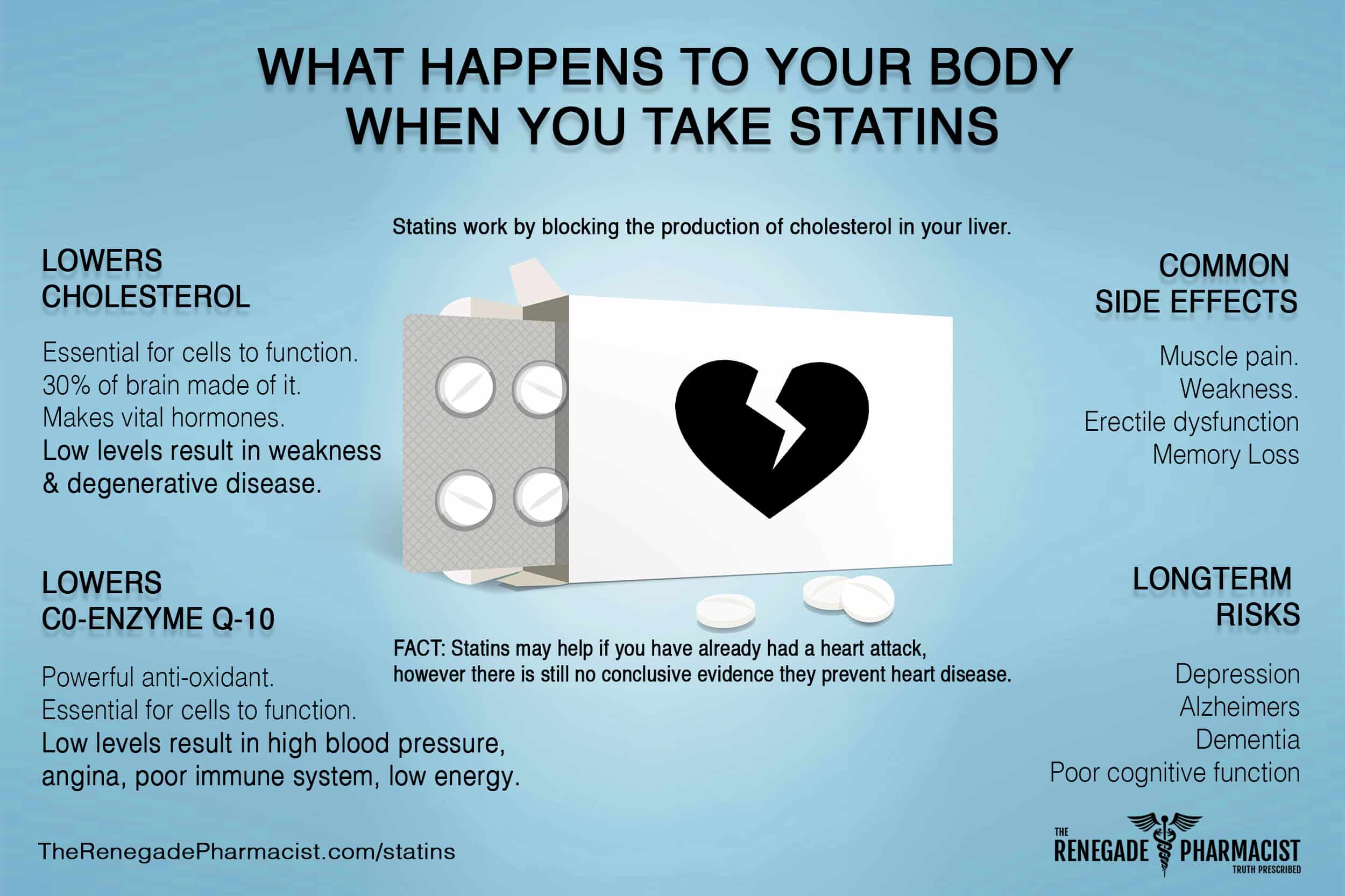
Research indicates that many patients experience mild to moderate side effects while taking statins. The most frequently reported side effects include:
- Muscle Pain and Weakness: Statin therapy can lead to myopathy, which manifests as muscle pain and weakness. This condition affects approximately 5-10% of patients.
- Digestive Issues: Some patients experience gastrointestinal problems such as constipation, diarrhoea, and nausea.
- Liver Effects: Statins can potentially elevate liver enzymes, leading to concerns about liver health. Regular liver function tests are recommended for patients on long-term statin therapy.
- Increased Blood Sugar Levels: There is evidence suggesting that statin use can increase blood glucose levels, potentially raising the risk of developing type 2 diabetes, particularly in those with preexisting conditions.
Serious Side Effects
Though rare, statins can lead to more serious adverse effects:
- Rhabdomyolysis: A severe condition characterised by muscle breakdown, rhabdomyolysis can lead to kidney damage and requires immediate medical attention.
- Neurological Effects: Some studies have reported cognitive issues such as memory loss or confusion, although the relationship between statins and cognitive decline remains inconclusive.
Recent Developments and Recommendations
Healthcare professionals are advised to monitor patients closely for potential side effects and to engage in open discussions about the risks and benefits of statin therapy. Recent advances in clinical research have focused on minimising side effects through personalised medicine approaches, adjusting dosages, and exploring alternative cholesterol-lowering therapies.
Conclusion
Statins play a critical role in managing cholesterol levels and reducing the risk of heart disease. However, awareness of their side effects is essential for patients and healthcare providers. The growing body of research helps to enhance understanding, allowing for better management and mitigation of side effects. For individuals considering statin therapy, discussing any concerns with a healthcare provider is advisable to tailor the safest and most effective treatment plan.