Introduction
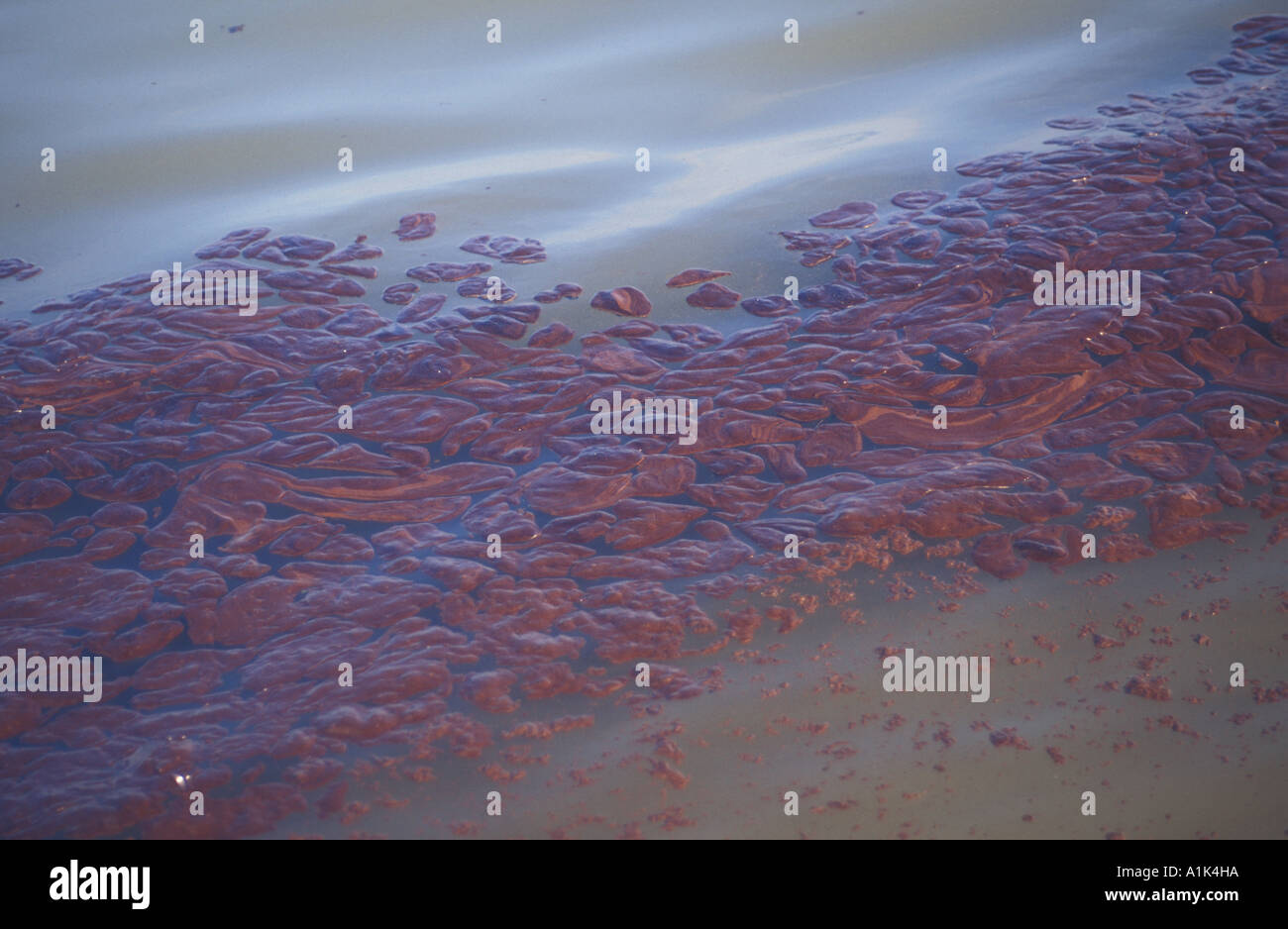
The Sea Empress oil spill, one of the UK’s most significant environmental disasters, occurred in February 1996 when the oil tanker Sea Empress ran aground near the coast of Pembrokeshire, Wales. The incident released approximately 72,000 tons of crude oil into the sea, severely impacting marine life and the coastal ecosystem. Understanding the events surrounding this disaster is crucial as it highlights the environmental vulnerabilities associated with maritime transport and the lasting impact of such spills on communities and wildlife.
The Incident
On the evening of February 15, 1996, the Sea Empress was en route to Milford Haven for unloading when it encountered poor weather conditions. Despite being equipped with modern navigational tools, the vessel lost its way and ran aground on a sandbank. The subsequent response to the incident was hampered by high winds and rough seas, leading to significant complications in containment efforts. Within days, vast quantities of oil spread across the waters and began to coat nearby beaches, leading to immediate ecological and economic consequences.
Environmental Impact
The scale of the Sea Empress oil spill was catastrophic for local wildlife. It is estimated that over 30,000 seabirds, including puffins and guillemots, perished as their habitats were contaminated. Marine life, oysters, and other shellfish in the area also faced severe threats due to oil residues. Moreover, the coal and tourism industries, which depended heavily on the region’s pristine environment, were also adversely affected. Beaches were closed, and the local fishing industry faced significant losses as contamination rendered seafood unfit for consumption.
Response and Cleanup
The cleanup efforts lasted for several months, involving thousands of volunteers alongside local and governmental agencies. Although strides were made in removing oil from the beaches, complete restoration of the affected area took years, and some environmental impacts are still felt today. This incident catalysed changes in maritime regulatory frameworks, emphasizing the need for stricter safety measures to prevent future spills.
Conclusion
The Sea Empress oil spill serves as a critical reminder of the fragility of marine ecosystems and underscores the importance of robust regulations in maritime transport. With the increasing strain on oceanic environments due to human activity, this incident calls for ongoing vigilance and proactive strategies to protect our seas. As countries around the globe look to balance economic growth with environmental sustainability, the lessons learned from the Sea Empress spill must not be forgotten. Future maritime operations must incorporate more rigorous safety protocols to prevent similar disasters from disrupting marine life and coastal economies.