Introduction
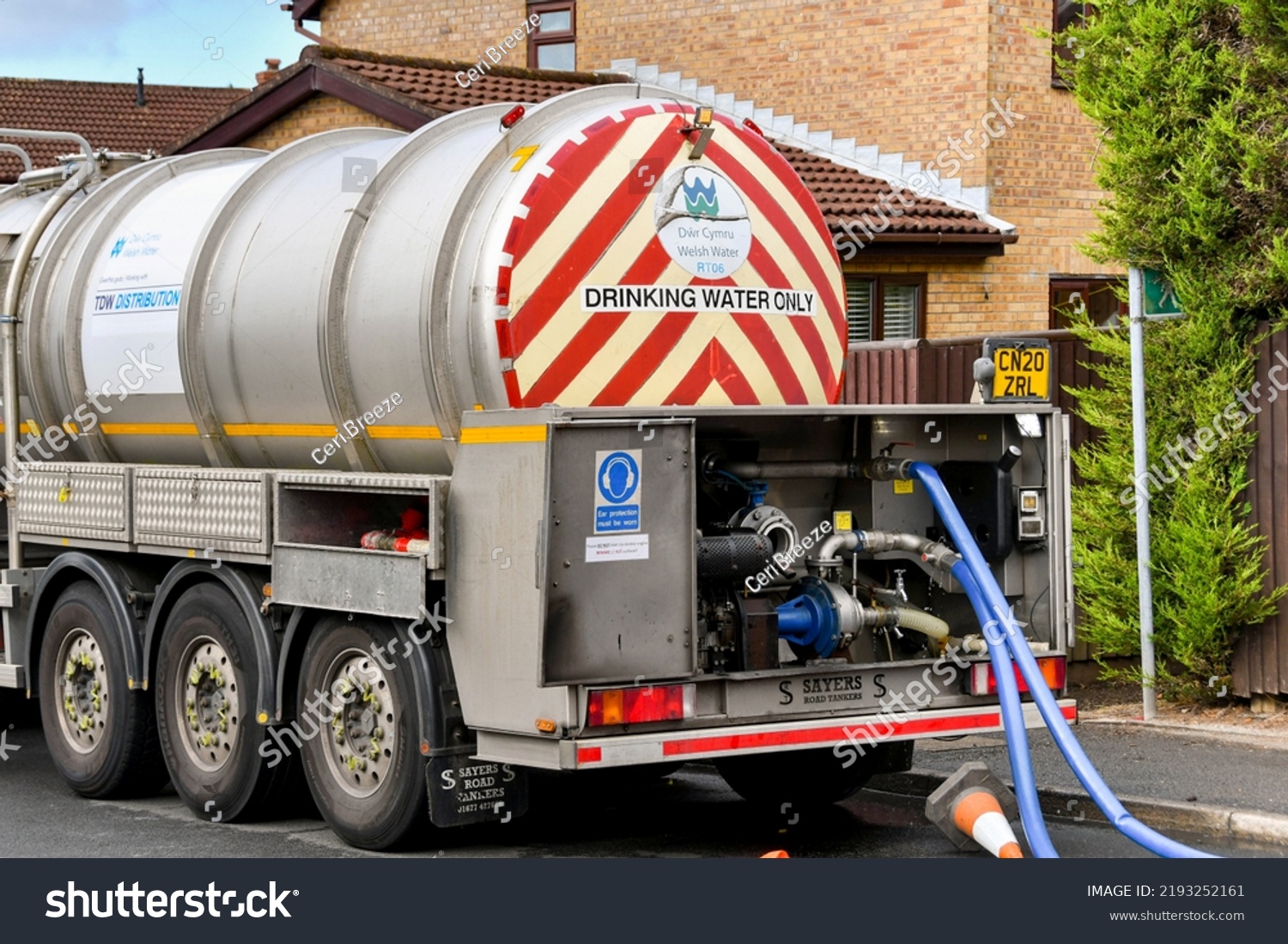
Welsh Water plays a crucial role in providing safe and reliable water supply and wastewater services across Wales. This not-for-profit organisation, whose aim is to serve the communities without profit motives, is essential for public health and environmental sustainability, especially in the face of climate change and increasing demands on water resources.
Current Operations and Initiatives
As of 2023, Welsh Water serves over 3 million customers, supplying around 1.5 billion litres of drinking water each day. Recently, the organisation has embarked on ambitious plans to improve water quality and infrastructure, investing £600 million in its annual capital programme. This includes initiatives such as upgrading treatment works, investing in leakage reduction technologies, and enhancing the resilience of water supplies against droughts and floods.
In a recent announcement, Welsh Water expressed its commitment to achieving net-zero carbon emissions by 2030. This involves transitioning its operational practices to renewable energy sources and reducing the carbon footprint associated with new infrastructure projects. Furthermore, the company aims to engage with communities, providing education on water conservation and sustainability initiatives.
Impact on Public Health and Environment
The importance of clean water cannot be overstated, particularly in Wales where access to safe drinking water is vital for public health. Welsh Water monitors and maintains stringent standards to ensure that the water supplied is clean and free from contaminants, adhering to regulations set by the Drinking Water Inspectorate. Initiatives such as the ‘Catchment Management Programme’ have been launched to protect local waterways, reduce pollution, and enhance biodiversity, further emphasising the company’s commitment to environmental stewardship.
Challenges Ahead
Despite its efforts, Welsh Water faces significant challenges, primarily from climate change and population growth which puts additional pressure on existing resources. Flooding and droughts can compromise both supply and infrastructure, and as urban areas expand, demand for water is expected to rise. Welsh Water is proactively addressing these challenges by investing in smart technology and engaging with local communities to promote sustainable practices.
Conclusion
In conclusion, Welsh Water is more than just a utility provider; it is a pivotal player in ensuring the health of local communities and protecting the natural environment. As Wales continues to face water-related challenges, the organisation’s commitment to sustainability and innovation will be vital. By investing in infrastructure and engaging with the public, Welsh Water aims not only to secure a safe water supply for future generations but also to foster a deeper understanding of the importance of water conservation in an ever-changing world.