Introduction
Capital plays a crucial role in the economy, serving as a cornerstone for business operations and growth. It encompasses the financial resources, assets, and funding necessary for production and investment. Understanding capital is vital, as it influences economic stability, job creation, and innovation. Recent trends have shown increased focus on sustainable forms of capital, reflecting broader environmental and social concerns.
Types of Capital
Capital can be categorised into various types, such as:
- Financial Capital: The monetary resources available for investment, including loans, credit, and equity.
- Physical Capital: Tangible assets like machinery, buildings, and technology that aid in production.
- Human Capital: The skills, knowledge, and experience possessed by individuals, which enhance productivity and innovation.
- Social Capital: The networks and relationships that contribute to economic activity, influencing trust and collaboration within communities.
Recent Developments
In response to changing market conditions, businesses are increasingly exploring alternative forms of capital. For example, the rise of impact investing highlights the growing emphasis on financing projects that deliver social and environmental benefits alongside financial returns. A recent study from the Global Impact Investing Network revealed that the impact investing market reached $715 billion in 2020, showcasing a significant shift towards sustainable capital allocation.
Capital and Economic Growth
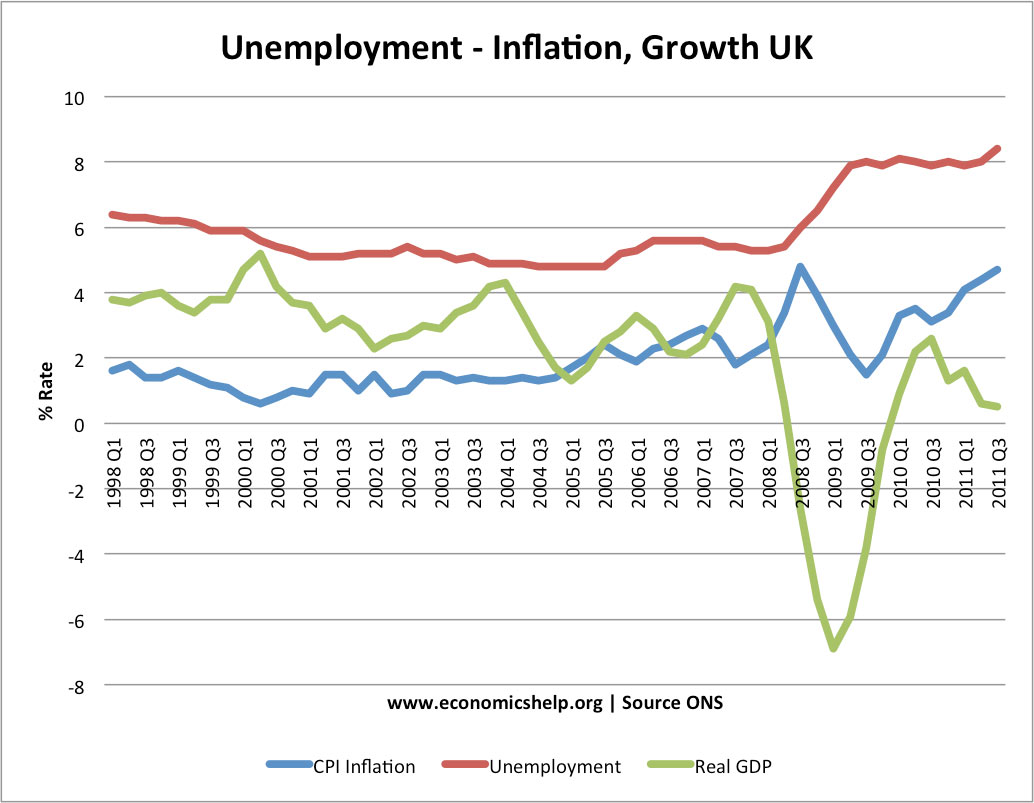
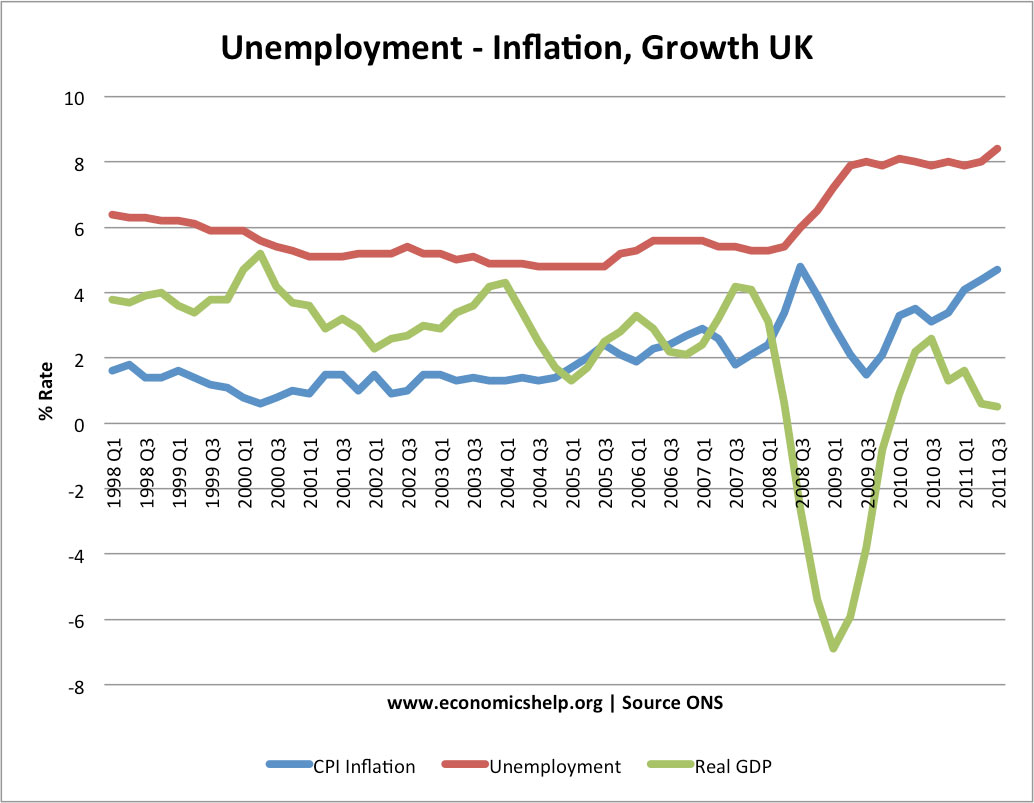
Capital is a fundamental driver of economic growth. According to the World Bank, countries with higher capital investment significantly outperform others in terms of GDP growth. Furthermore, access to capital allows startups and small businesses to innovate and compete effectively within the market. In the UK, the government has introduced various schemes to enhance access to funding, including the British Business Bank initiatives aimed at supporting entrepreneurs and expanding capital availability.
Conclusion
The role of capital in shaping economies cannot be overstated. As businesses and policymakers navigate the evolving landscape of investment, embracing diverse and sustainable forms of capital will be crucial. Future trends suggest that capital will not only serve traditional economic functions but will also become increasingly interconnected with social and environmental objectives, reinforcing the need for a comprehensive understanding of its significance in today’s world.