Introduction
The National Grid plays a crucial role in the UK’s energy infrastructure, serving as the backbone for electricity transmission across the country. As the world shifts towards renewable energy sources and grapples with changing demand patterns, understanding the National Grid’s operations is more important than ever. With ongoing advancements in technology and an increase in the adoption of electric vehicles, the strategic management of the National Grid is vital for ensuring a reliable energy supply while also accommodating future energy needs.
Recent Developments
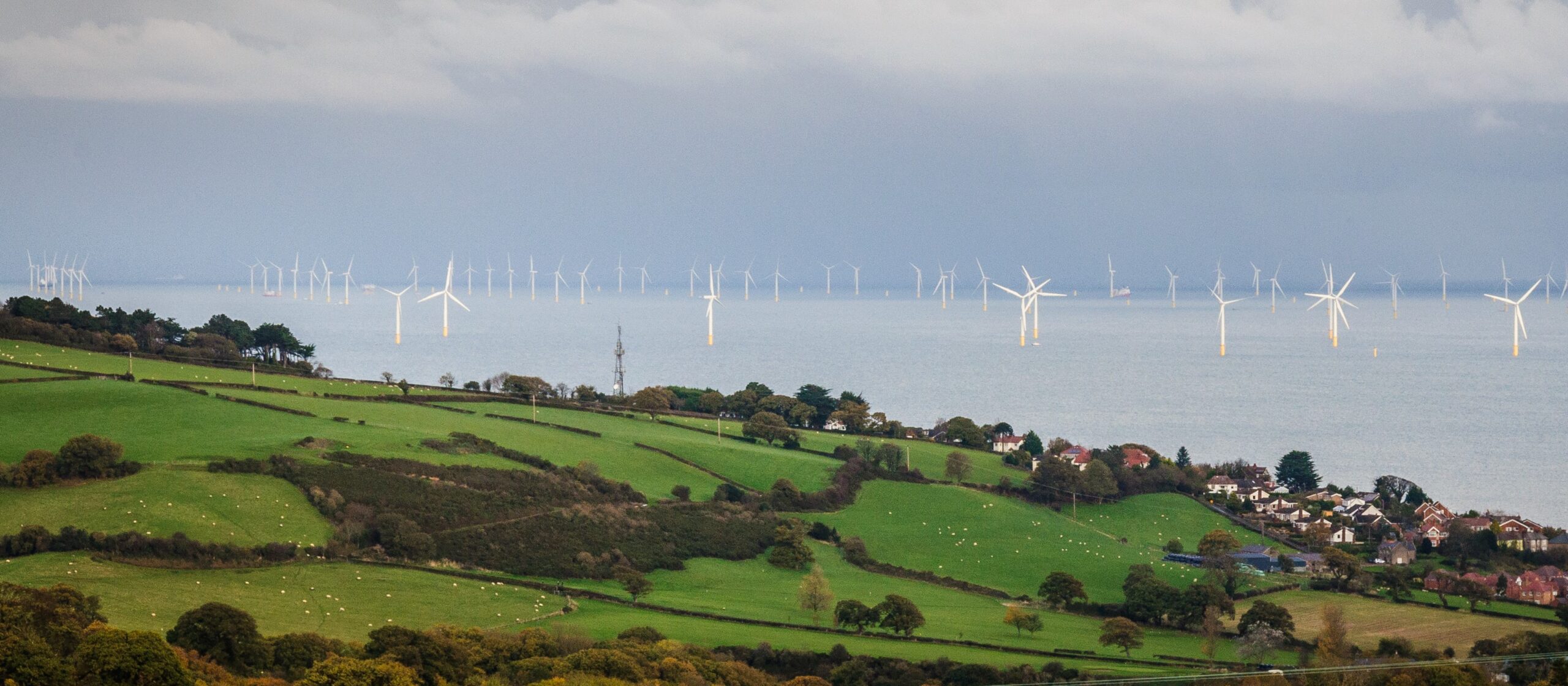
In recent months, the National Grid has made significant strides in enhancing its capacity to manage renewable energy sources effectively. According to the National Grid Electricity System Operator (ESO), a record-breaking share of electricity generated in the UK came from renewable sources in 2022, accounting for nearly 40% of total energy output. This remarkable transition is largely attributed to investments in wind and solar energy sectors.
Moreover, the National Grid is collaborating with various energy companies and government bodies to develop a new initiative called the “Future Energy Scenarios” programme. This initiative aims to provide a comprehensive view of how energy demands might evolve and how various energy sources can be integrated into the grid sustainably. The report, released in July 2023, highlighted pathways for achieving net-zero emissions by 2050, focusing on increased interconnectivity with neighbouring countries for electricity supplies.
Challenges Ahead
Despite the progress, challenges remain for the National Grid. Increased reliance on intermittent renewable energy sources like solar and wind can lead to fluctuations in power supply. This necessitates innovative solutions such as energy storage technologies and demand-side measures to balance consumption with generation effectively. The National Grid is investing heavily in battery storage facilities and exploring potential strategies like demand response programmes that encourage consumers to reduce their energy use during peak times.
Conclusion
Looking ahead, the National Grid’s role as an enabler of the UK’s energy transition will only grow. Its ability to adapt to rapidly changing energy landscapes will be critical in ensuring a stable, affordable, and sustainable energy supply for all. As consumers become more engaged with energy production and consumption, understanding the workings and importance of the National Grid can help empower individuals to be a part of the UK’s green energy revolution. The success of the National Grid can lead to an expansive and resilient energy future that aligns with national goals for sustainability and climate change mitigation.