Introduction
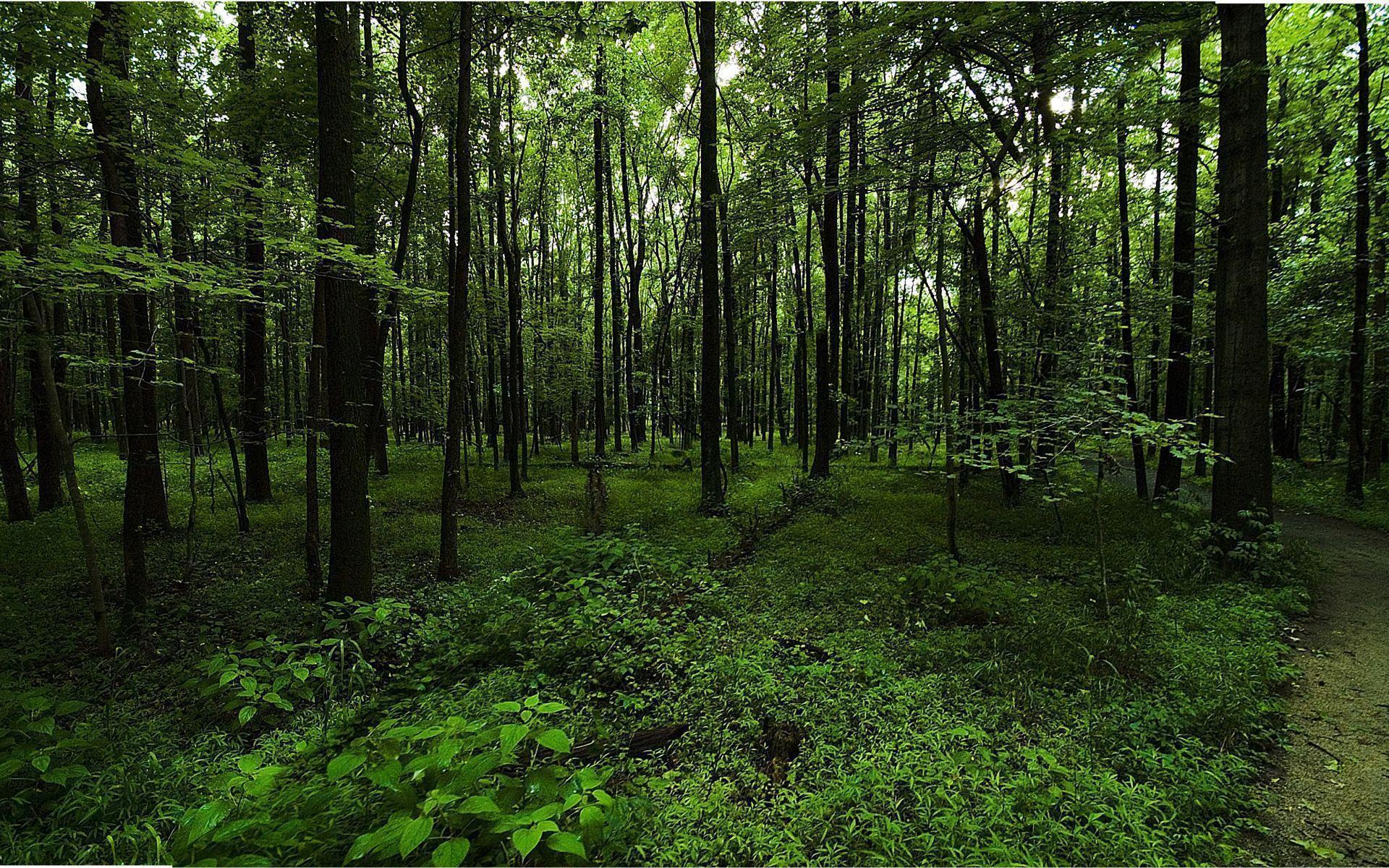
Forest green, a colour deeply associated with nature, evokes images of lush forests and promotes a sustainable lifestyle. Given the increasing concerns about climate change and environmental degradation, this colour has taken on a new significance. As individuals and companies alike emphasise sustainable practices, forest green has emerged as a symbol of eco-friendliness and a commitment to preserving our planet.
The Popularity of Forest Green
Recent studies show a marked increase in the popularity of forest green across various sectors, including fashion, interior design, and corporate branding. According to a survey conducted by the Colour Marketing Group, 42% of participants expressed a preference for shades of green when choosing household items, reflecting a desire for connection to the environment.
In the realm of fashion, designers are increasingly opting for forest green fabrics, often sourced from sustainable materials. Brands like Stella McCartney and Reformation have integrated this colour into their collections, positioning themselves as leaders in eco-conscious fashion.
Corporate Responsibility and Forest Green
Moreover, many companies are adopting forest green in their branding to communicate a commitment to sustainability. A recent report from Eco-Business highlighted that organisations utilising environmentally friendly branding can increase consumer trust and loyalty. Major corporations are embracing this trend by committing to reducing their carbon footprints and actively engaging in conservation efforts.
Forest Green in Urban Design
In urban design, the role of forest green extends to the creation of green spaces within cities. Parks, green roofs, and urban forests are being designed to not only enhance aesthetic appeal but also improve air quality and provide habitats for wildlife. In a 2023 study by the Journal of Urban Ecology, researchers found that urban green spaces can significantly lower temperatures in cities, promoting better living conditions.
Conclusion
As the world continues to grapple with the realities of climate change, the colour forest green has become more than just a palette choice; it embodies a movement towards sustainability. The increasing popularity of this hue signifies a broader shift in societal values towards environmental responsibility. As we move forward, embracing forest green in our daily lives—from fashion choices to urban planning—can play a crucial role in fostering a healthier planet for future generations. The trend suggests that as awareness of ecological issues grows, so too will the relevance of colours like forest green, ultimately redefining how we engage with our environment.