Introduction
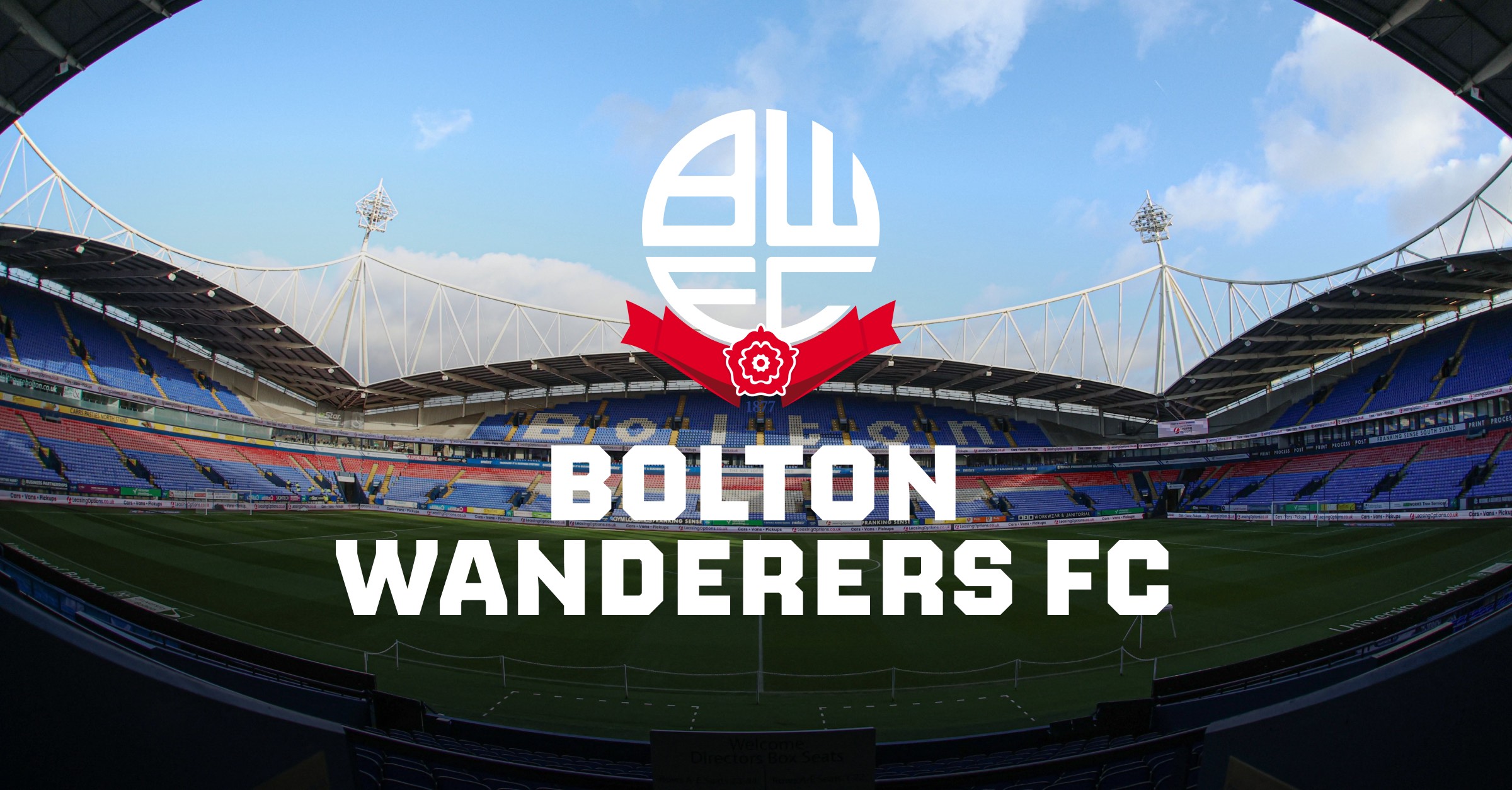
Bolton Wanderers Football Club, established in 1874, holds a significant place in English football history. Known for its rich heritage and passionate fan base, the club has navigated various challenges, including financial struggles and relegation, only to emerge with renewed vigor. The importance of Bolton Wanderers in the footballing landscape is marked not only by its historic achievements but also by its commitment to community engagement and youth development.
Club History and Achievements
Historically, Bolton Wanderers has been one of the founding members of the Football League and has enjoyed success in both league and cup competitions. The club’s most notable achievement came in the 1923 FA Cup Final, known as the “White Horse Final,” where they defeated West Ham United in front of a record crowd. Throughout the years, Bolton has seen various highs and lows, including winning the FA Cup four times and achieving a respectable presence in the Premier League during the late 1990s and early 2000s.
Recent Developments
In recent years, Bolton Wanderers faced significant challenges, including financial instability that led to an administration process in 2019 and relegation from League One. However, following these difficulties, the club has seen a resurgence under new ownership and management. The appointment of Ian Evatt as head coach has revitalised the club, steering them towards competitive performances in League Two.
In the current season, the team has demonstrated an impressive return to form, securing a place in the play-off positions. Players such as Dapo Afolyan and Kieran Lee have emerged as key figures, energising the squad and appealing to fans eager for a strong return to higher leagues.
The Community Impact
Beyond the pitch, Bolton Wanderers remains a pivotal part of the local community. The club engages in various outreach initiatives, including education and health programmes aimed at improving the lives of the people in Bolton. Such efforts not only keep the club closely tied to its roots but also foster a sense of pride and belonging among the supporters.
Conclusion
As Bolton Wanderers continues to rebuild and navigate through the challenges of modern football, the resilience shown by both the club and its supporters signals a hopeful future. With a foundation built on a rich history and a commitment to community engagement, Bolton Wanderers is poised to reclaim its place in higher divisions of English football. The coming years will undoubtedly be crucial for the club’s aspirations in the competitive landscape of football, as they work to return to their former glory.