Introduction
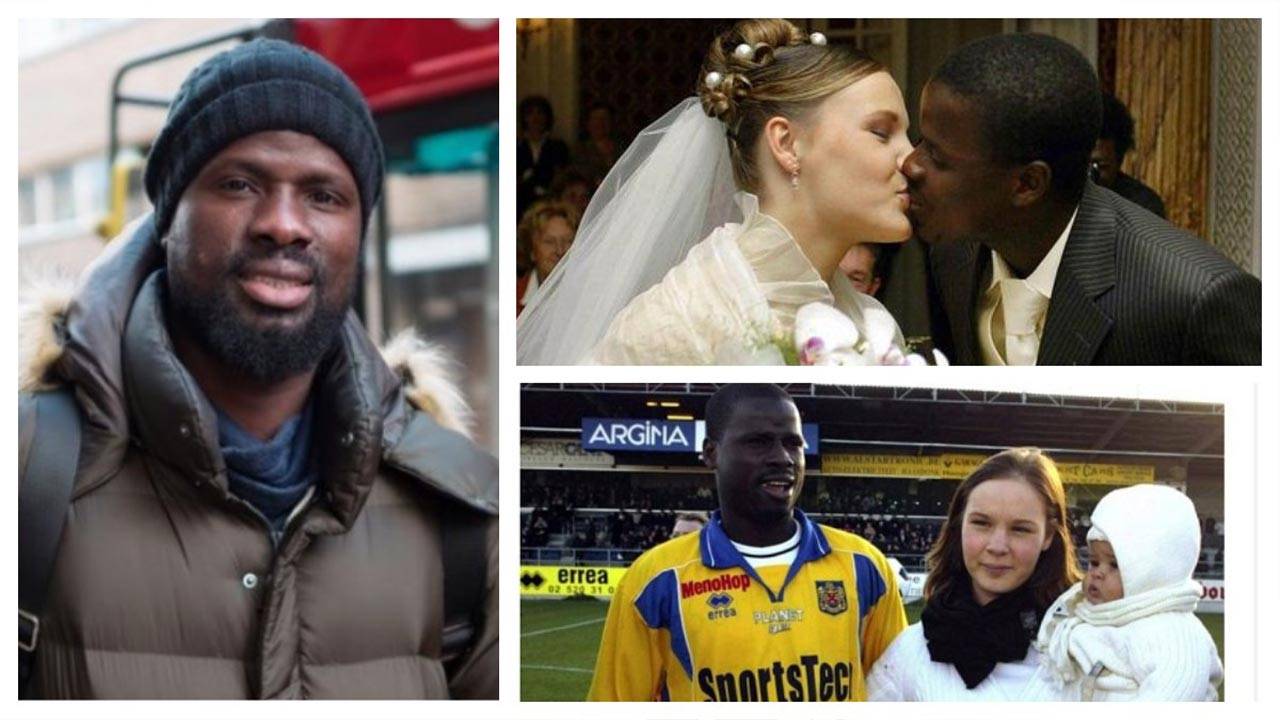
Emmanuel Eboué, the former Ivorian footballer known for his dynamic presence on the pitch, has made headlines in recent times not only for his illustrious career in the Premier League but also for his significant personal challenges. As a former right-back for Arsenal and a key player in the Ivory Coast national team, Eboué’s contributions to football are noteworthy. His journey, however, has been marred by struggles off the field, making his current situation relevant and essential to discuss within the sporting community.
Career Highlights
Born on June 4, 1983, in Abidjan, Ivory Coast, Eboué began his professional career in France before moving to Arsenal in 2005, where he became a fan favourite. During his time with the Gunners, Eboué appeared in over 200 matches, being part of the team that reached the UEFA Champions League final in 2006. He represented the Ivory Coast in multiple international tournaments, including the FIFA World Cup and African Cup of Nations, showcasing his skill and dedication to the game.
Personal Struggles
Despite his professional success, Eboué has faced significant personal challenges since retiring from football in 2016. Reports have surfaced regarding mental health struggles, legal issues, and financial difficulties. In recent interviews, he openly discussed being at risk of homelessness and the impact of his former lifestyle on his current situation. Eboué’s candidness has sparked conversations around the importance of mental health support for athletes post-retirement.
Recent Developments
In a recent televised interview, Eboué revealed efforts he is making to regain stability in his life. Thanks to outreach from former teammates and the football community, he has received offers for support services. Organisations focusing on athlete welfare have reached out to help him navigate his current struggles. Moreover, Eboué has expressed a desire to support young athletes, sharing his experiences to guide them through the pressures that come with professional sports.
Conclusion
Emmanuel Eboué’s journey highlights an important narrative about the challenges athletes may face after their sporting careers. As he works toward recovery and seeks to help others, it serves as a crucial reminder of the significance of mental health awareness in sports. With ongoing support and a determination to turn his life around, the future holds the potential for Eboué to not only reclaim his own life but inspire a new generation of athletes to prioritise their mental well-being.