Introduction
Laurence Fox, a British actor and political activist, has become a prominent figure in the media, largely due to his controversial statements and public stances on various issues. Known for his role in the long-running television series ‘Lewis’, Fox has transitioned from acting to become a vocal critic of political correctness and social movements, positioning himself as a controversial public persona. Understanding Laurence Fox’s influence and the reception of his ideas is crucial in today’s socio-political landscape, especially amid ongoing discussions regarding free speech and activism.
Recent Developments
In recent months, Fox has attracted attention for his outspoken views on topics such as the Black Lives Matter movement and gender identity. He garnered significant media coverage when he participated in a televised debate where he challenged the notion of systemic racism and declared himself a “free speech champion.” His controversial remarks have led to accusations of insensitivity and racism, prompting public backlash as well as fervent support from certain segments of the population.
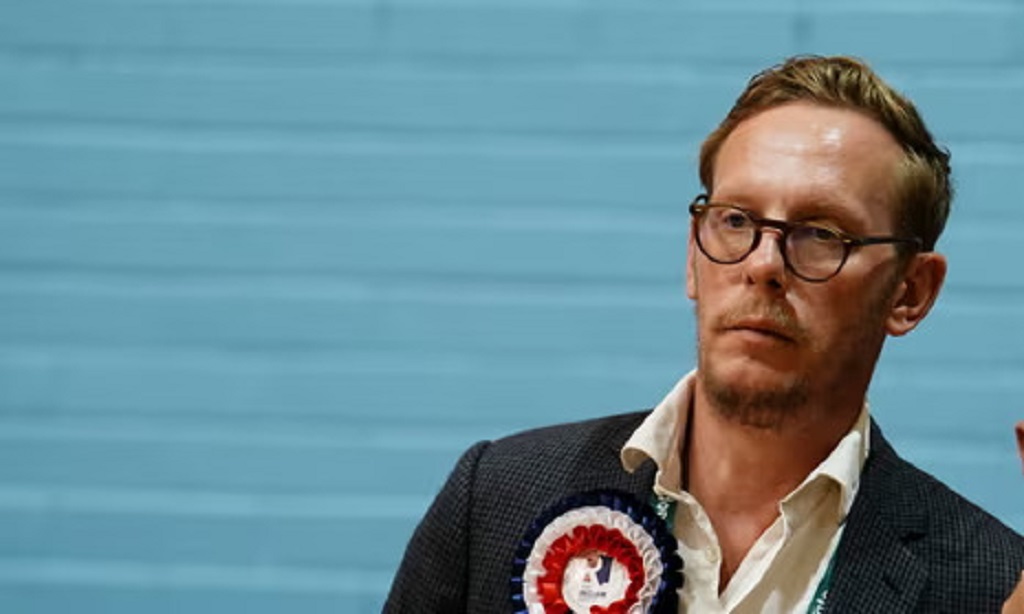
In addition to his commentary on social issues, Fox has expanded his efforts to engage with the public through his political party, Reclaim. Established in 2020, Reclaim positions itself against political correctness and in favour of traditional British values. Recently, Fox announced plans to contest in local elections, aiming to bring his outspoken opinions to a governmental level. His party’s platform resonates with voters who feel that their voices are being overlooked in the current political climate.
Conclusion
Laurence Fox’s activities represent a notable shift in the intersection of entertainment and political activism. His ability to generate discussion around free speech and political correctness indicates both the divisiveness of his approach and the growing demand for alternative voices in public discourse. As Fox continues to campaign and express his views, the implications for both his career and the wider socio-political narrative will be intriguing to observe. For readers, Fox’s journey serves as a case study on the evolving role of celebrities in shaping political conversations, urging us to reflect on our responses to outspoken public figures.