Introduction
Guatemala, renowned for its rich tapestry of culture and history, is a vibrant Central American nation that draws tourists and researchers alike. With its stunning landscapes, ancient Mayan ruins, and vibrant traditions, the country offers invaluable insights into Central America’s past and present. Understanding Guatemala’s cultural significance is crucial for appreciating its role in the region and its diverse influences.
Geographical and Cultural Landscape
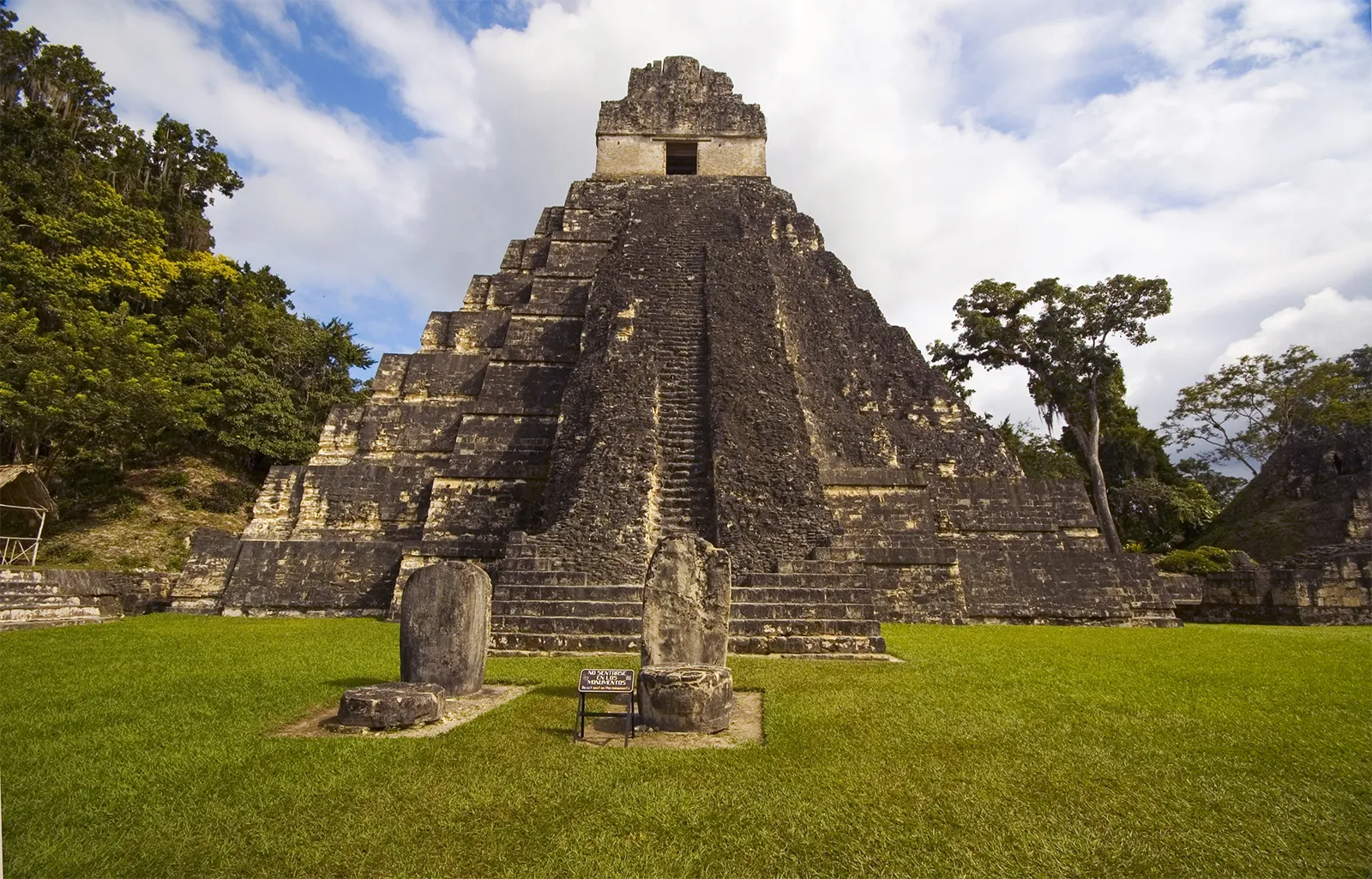
Nestled between Mexico to the north and west, Belize to the northeast, and Honduras to the southeast, Guatemala boasts a diverse geography that ranges from mountains to lush rainforests. This varied landscape is not only picturesque but also serves as a backdrop for a rich cultural heritage steeped in Mayan history. Ancient ruins, such as Tikal and Quiriguá, showcase the architectural achievements of the Maya civilization—an essential part of Guatemalan identity.
Recently, Guatemala has experienced a surge in tourism, with the country promoting its ancient heritage alongside its vibrant contemporary culture. Local markets, such as those in Chichicastenango, highlight the artistry of traditional textiles, food, and handicrafts, reflecting the present-day lives of many indigenous communities.
Economic and Social Significance
The cultural richness of Guatemala not only enhances its appeal as a travel destination but also serves a significant role in its economy. According to the Guatemalan Tourism Institute, tourism contributes approximately 7% to the nation’s GDP and employs over 1 million people. Growth in this sector has prompted the government and local communities to invest in sustainable tourism practices, ensuring that traditional customs and the environment are preserved.
Challenges Ahead
Despite its cultural wealth, Guatemala faces challenges, including poverty, political instability, and social inequality. Many indigenous groups fight for recognition and rights, striving to celebrate their heritage while navigating modern socio-economic issues. Ongoing efforts by local organisations aim to empower these communities and promote cultural preservation as a means to build a future that respects their history.
Conclusion
As Guatemala continues to embrace its unique cultural heritage while facing modern challenges, it stands at a critical juncture. The nation’s ability to promote and preserve its vibrant past while fostering development will be integral in shaping its future. For readers and potential visitors, understanding Guatemala’s complexities and appreciating its rich cultural identity can foster a deeper connection to this remarkable country and its people.